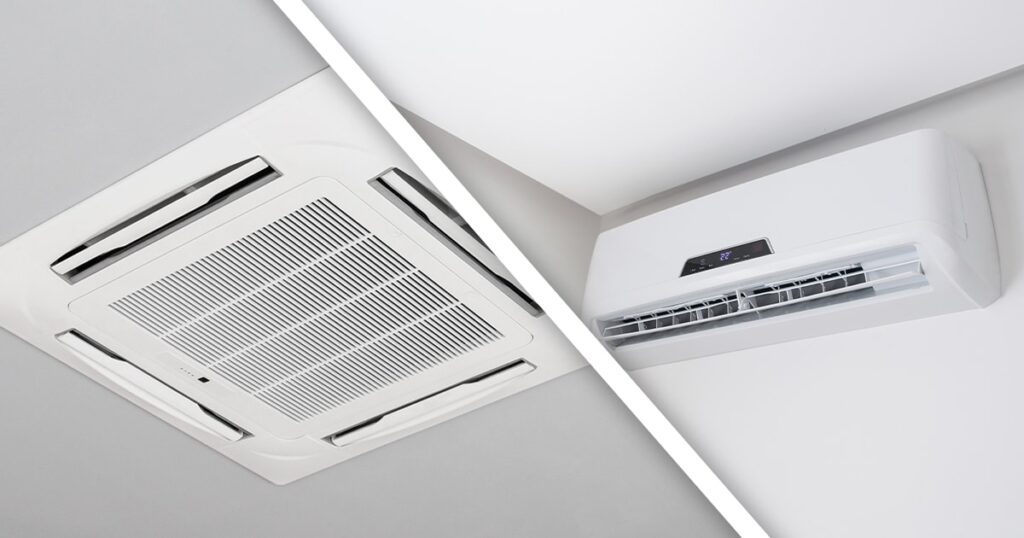

Many homeowners struggle with high energy bills and uneven temperatures because traditional HVAC systems rely on extensive ductwork. This inefficiency not only increases utility costs but also affects comfort throughout the home. These challenges can leave homeowners frustrated and uncertain about the best course of action. A ductless mini split system offers a modern alternative, providing precise heating and cooling for individual rooms while keeping energy use low. By understanding what drives ductless mini split cost, you can make informed choices that balance performance, comfort, and long-term savings.
1. System Size and Capacity
Choosing the right size ductless mini split system is crucial. Larger garages or living areas require higher BTU units, which naturally increases the system’s cost. Oversizing or undersizing can also affect energy efficiency and comfort, leading to higher bills over time.
Assessing Your Space Accurately
Measure your garage or room precisely, considering ceiling height and insulation. Accurate sizing prevents overspending, ensures efficient operation, and maximizes comfort, ultimately optimizing your ductless mini split cost and overall investment.
2. Number of Zones
Multi-zone systems allow individual control in separate areas but increase initial costs. Each indoor unit requires installation, wiring, and integration with the outdoor condenser, which adds to labor and equipment expenses.
Understanding Zone Benefits
Multiple zones let you heat or cool only the spaces you use. This saves energy and enhances comfort, reducing overall operational costs and improving the efficiency of your ductless mini split system.
3. Installation Complexity
Installation costs can vary depending on your garage’s layout. Factors such as wall type, electrical access, and connecting indoor units to the outdoor compressor all affect ductless mini split cost, labor charges, and setup time.
Preparing for Smooth Installation
Clear installation areas and ensure electrical compatibility. Doing pre-work can reduce labor time and minimize costs while ensuring your ductless mini split system operates effectively from day one.
4. Brand and Model Selection
Premium brands with advanced features such as inverter technology, Wi-Fi control, and eco-friendly refrigerants may cost more upfront. However, these features can enhance energy efficiency and reduce long-term operating costs.
Evaluating Features for Value
Compare efficiency ratings, warranties, and smart control options. Investing slightly more initially can deliver better performance, lower energy bills, and longer system life for your ductless mini split system.
5. Energy Efficiency Ratings
Higher SEER or HSPF ratings indicate better energy efficiency. While these systems may have a higher initial cost, they save money on electricity bills and provide more consistent comfort throughout the year.
Understanding Energy Savings
Choose a system with Energy Star certification and high efficiency ratings. Over time, lower electricity consumption offsets the higher upfront ductless mini split cost, making it a smarter long-term investment.
6. Outdoor Unit Location
Placement of the outdoor compressor affects performance and installation costs. Difficult or unconventional locations may require additional labor, mounting brackets, or longer linesets, which increase total expenses.
Optimal Outdoor Unit Placement
Place the outdoor unit on level ground or a wall bracket with good airflow. Proper positioning ensures peak efficiency, reduces wear, and maintains the long-term reliability of your ductless mini split system.
7. Additional Features
Optional add-ons like Wi-Fi thermostats, line set covers, or advanced filtration systems can slightly increase cost but improve convenience, aesthetics, and indoor air quality.
Investing in Useful Add-ons
Smart controls and protective covers enhance usability and maintenance. These features prevent system damage, simplify operation, and maximize comfort without dramatically increasing your ductless mini split cost.
8. Maintenance and Longevity
Routine maintenance ensures efficient operation and extends the life of your system. Neglecting cleaning, filter replacement, or professional servicing can reduce energy efficiency and increase repair costs over time.
Easy Maintenance Tips
Clean filters regularly, check for leaks, and schedule annual professional inspections. Consistent maintenance keeps your ductless mini split system performing optimally and minimizes unexpected expenses.
9. Regional Labor and Material Costs
Costs vary by location due to differences in labor rates, local regulations, and materials availability. Urban areas or regions with high demand may face higher installation expenses.
Budgeting for Local Differences
Research local installation rates and permits. Obtaining multiple quotes ensures competitive pricing and helps you plan your ductless mini split cost accurately.
10. Rebates and Incentives
Energy-efficient systems often qualify for rebates or tax incentives. These can offset initial costs, making it easier to invest in a high-quality, energy-efficient ductless mini split system.
Maximizing Savings
Check local utility programs and government incentives before purchasing. Rebates reduce upfront costs, improving return on investment for your ductless mini split system in modern homes.
Conclusion
Understanding what affects ductless mini split cost allows homeowners to plan wisely. System size, zones, installation complexity, brand, energy efficiency, and maintenance all influence pricing. By considering these factors, you ensure maximum comfort and energy savings.
For expert guidance and affordable ductless mini split cost solutions, contact Mass HVAC Distributors today. Get personalized recommendations and install your energy-efficient system with confidence.
FAQ
- How much does a typical ductless mini split system cost?
The cost varies by size, zones, and brand. On average, single-zone systems range from $1,500–$3,000, while multi-zone setups may exceed $5,000, including installation. - Does energy efficiency affect the system cost?
Yes. Higher SEER or HSPF ratings improve efficiency but increase upfront cost. However, they reduce electricity bills over time, offering long-term savings. - Can I install a ductless mini split system myself?
DIY options exist, especially for single-zone systems. However, professional installation ensures proper setup, optimal efficiency, and warranty compliance. - How long do ductless mini split systems last?
With regular maintenance, these systems typically last 12–20 years. Proper care, filter cleaning, and annual inspections extend operational lifespan. - Are there rebates for installing a ductless mini split system?
Yes. Many regions offer rebates or tax incentives for energy-efficient systems. Check with local utilities to maximize savings and reduce the upfront ductless mini split cost.