
Gallstone disease is one of the most common gastrointestinal disorders worldwide, affecting millions of people each year. Traditionally, gallbladder removal required open surgery, which involved large incisions, extended hospital stays, and longer recovery periods. With advancements in medical technology, the approach to gallstone surgery has undergone a significant transformation. Robotic-assisted procedures are now changing the way surgeons treat gallstones, offering patients safer, faster, and more precise surgical solutions.
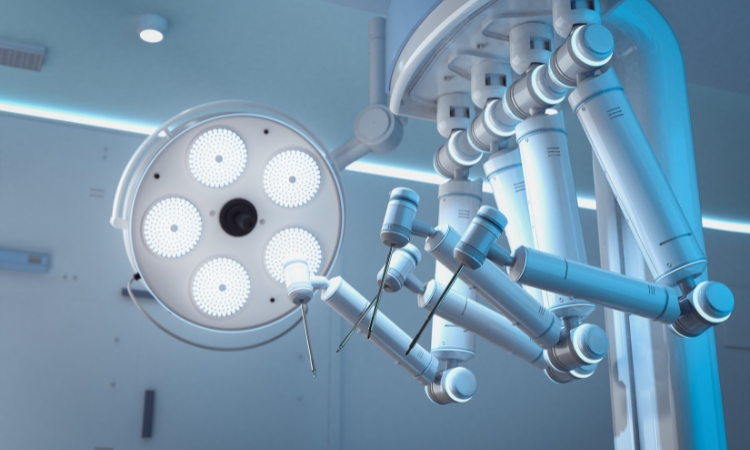
Robotic Gallbladder Surgery utilizes advanced robotic systems to assist surgeons during gallbladder removal. By integrating high-definition visualization, precise instrument control, and minimally invasive techniques, robotic technology ensures improved surgical outcomes while reducing patient discomfort. This approach represents a major shift from conventional surgery, combining the expertise of skilled surgeons with cutting-edge technological innovation.
Enhanced Precision in Surgery
One of the most remarkable benefits of robotic technology in gallstone surgery is the enhanced precision it provides. Robotic instruments mimic the movements of a surgeon’s hands but with greater dexterity and stability. These instruments allow for fine, controlled movements that are difficult to achieve with traditional laparoscopic tools.
High-definition, three-dimensional visualization enables surgeons to clearly see critical structures such as blood vessels and bile ducts. This level of precision reduces the risk of accidental injury, minimizes bleeding, and ensures the complete removal of the gallbladder and stones. For patients, this translates into safer procedures and improved surgical outcomes.
Minimally Invasive Approach
Robotic gallbladder surgery is minimally invasive, meaning it requires only small incisions compared to traditional open surgery. Smaller incisions reduce surgical trauma, decrease the likelihood of infection, and limit post-operative pain. The minimally invasive nature of robotic surgery also results in less scarring, which is a significant consideration for many patients.
The reduced physical impact of robotic surgery allows patients to recover more quickly and return to their daily routines sooner. Many patients experience a smoother recovery process, with less swelling, discomfort, and limitations on movement.
Faster Recovery and Shorter Hospital Stay
Robotic technology not only improves surgical precision but also contributes to faster recovery times. Patients typically experience less pain and are able to move sooner after surgery. Hospital stays are often shorter, sometimes as brief as one to two days, allowing patients to recover in the comfort of their own homes.
Faster recovery means patients can resume work, exercise, and daily activities without long interruptions. This efficiency reduces overall healthcare costs and promotes better quality of life for those undergoing gallstone surgery.
Reduced Risk of Complications
Robotic-assisted surgery reduces the risk of complications associated with gallbladder removal. The precision of robotic instruments and enhanced visualization minimize the chances of injury to surrounding organs, bile ducts, or blood vessels. Smaller incisions also reduce the risk of post-operative infections.
For patients with complex conditions, such as inflammation, obesity, or previous abdominal surgeries, robotic technology provides a safer and more controlled surgical environment. This versatility ensures that even high-risk patients can benefit from minimally invasive gallstone removal.
Improved Cosmetic Results
The small incisions used in robotic gallbladder surgery lead to minimal scarring, making the procedure cosmetically appealing. Most patients report satisfaction with the appearance of their surgical sites after healing. Unlike traditional open surgery, which leaves larger scars, robotic surgery offers a discreet alternative without compromising surgical effectiveness.
Patient Comfort and Experience
Robotic technology enhances not only surgical outcomes but also patient comfort and experience. The minimally invasive nature, reduced pain, and quicker recovery contribute to a more positive overall experience. Patients often feel more confident and at ease knowing that advanced technology supports their surgery.
The efficiency of robotic procedures also allows surgeons to focus on patient care, providing personalized attention throughout the surgical process. This combination of technology and patient-centered care makes robotic gallstone surgery an attractive option for many individuals.
Advanced Surgical Ergonomics
Robotic systems are designed to improve surgeon ergonomics, allowing them to operate from a console with precise hand controls. This reduces physical strain during surgery, which can improve focus, accuracy, and overall performance. Better surgeon ergonomics directly benefit patients by enhancing the quality and consistency of the procedure.
Versatility for Complex Cases
Robotic gallbladder surgery is suitable for a wide range of patients, including those with complex or challenging medical conditions. The advanced dexterity and precision of robotic instruments make it easier to navigate scar tissue, inflammation, or anatomical variations. This flexibility ensures that more patients can safely undergo minimally invasive gallstone surgery with excellent results.
Conclusion
Robotic technology is revolutionizing gallstone surgery by combining precision, minimally invasive techniques, and advanced visualization. From faster recovery and reduced complications to improved cosmetic results and patient comfort, robotic gallbladder surgery offers numerous advantages over traditional approaches. Patients benefit from safer, more efficient procedures that enhance overall outcomes. For those seeking expert care in robotic gallstone surgery, Kaizen Hospital provides state-of-the-art facilities, experienced surgeons, and personalized attention to ensure the best results for every patient.