
The 15 Days Annapurna Circuit Trek is one of Nepal’s most spectacular trekking experiences, offering adventurers a complete journey through the diverse landscapes of the Annapurna region. This extended trek allows you to explore everything from lush subtropical forests and terraced farmlands to high-altitude deserts and snow-capped Himalayan peaks. Crossing the famous Thorong La Pass (5,416m), the trek offers unforgettable panoramic views of some of the world’s highest mountains, including Annapurna I, Dhaulagiri, and Nilgiri.
Starting in Besisahar, the trail gradually ascends through traditional Gurung villages and rhododendron forests, immersing trekkers in authentic Nepali culture and breathtaking natural beauty. Along the way, the trek passes key stops such as Chame, Manang, and the sacred Muktinath Temple, a spiritual site revered by both Hindus and Buddhists.
One of the defining moments of the 15 Days Annapurna Circuit Trek is the challenging ascent over the Thorong La Pass, which at 5,416 meters is one of the highest trekking passes in the world. This iconic pass rewards trekkers with spectacular vistas and a true sense of achievement. The itinerary includes crucial acclimatization days in Manang to help trekkers adjust safely to the high altitude.
Descending from Thorong La Pass leads you into the arid Mustang region, known for its unique landscapes and Tibetan-influenced culture. The trek finishes in Jomsom, where you can relax before a scenic drive or flight to Pokhara, the gateway to Nepal’s trekking regions, famed for its stunning Phewa Lake and majestic mountain views.
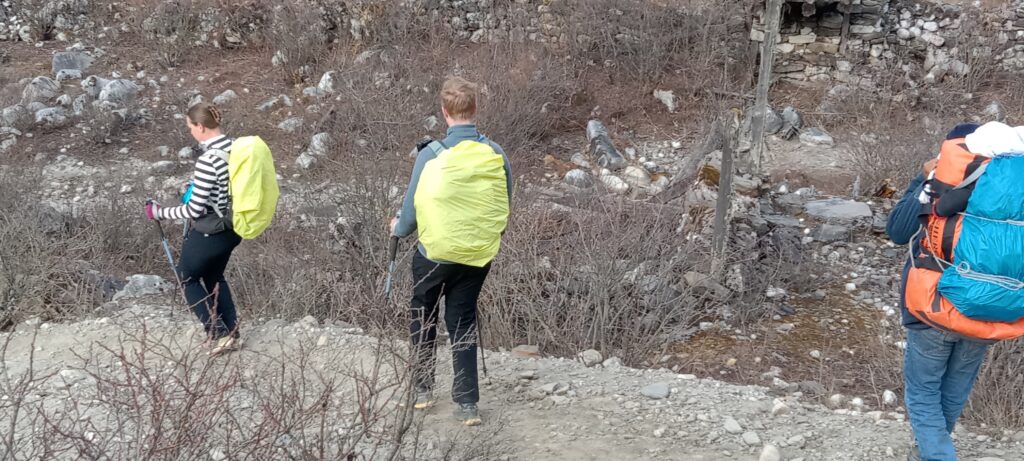
Reaching the higher regions of the circuit, trekkers find themselves in an almost lunar landscape, with sparse vegetation and vast expanses of rocky terrain. The contrast between the lush lowlands and this stark environment is striking. Local communities here belong predominantly to Tibetan-influenced cultures, evident in their distinctive architecture, prayer flags fluttering in the wind, and the omnipresent mantra stones lining the trails. Staying in these villages provides a glimpse into centuries-old traditions and spiritual practices, enriching the trek with cultural depth alongside physical achievement.
The Annapurna Circuit is renowned not just for its scenery but also for the challenges posed by high-altitude trekking. Fatigue, acclimatization, and unpredictable weather all play a role in shaping the experience. Careful planning, a measured pace, and awareness of altitude sickness are crucial for a safe journey. Yet, the challenges are balanced by moments of serene beauty—quiet mountain lakes reflecting snow-covered peaks, mist curling through deep valleys, and the gentle murmur of mountain streams. These experiences offer trekkers the chance to connect with nature on a profound level, far removed from the pace and noise of daily life.
The trek’s high point is crossing Thorong La Pass, one of the highest trekking passes in the world. Standing atop this pass is a moment of triumph and reflection, as trekkers take in panoramic views that stretch across multiple valleys and peaks. The sense of accomplishment here is tangible, born not just of reaching a physical landmark but of overcoming the mental and physical challenges of the journey. From this vantage point, the Himalayas reveal their full scale, and the sheer magnitude of the landscape is humbling. It’s a moment that etches itself into memory, often described by trekkers as life-changing.
Descending from Thorong La, the landscape transforms again, revealing the rain-shadow region of the Annapurna Massif. This area is drier and less vegetated, with rugged canyons and dramatic cliffs creating a sense of wildness. The rivers here carve deep gorges, and the trails wind through a combination of rocky paths and desert-like expanses. Despite the harsher environment, the scenery is striking, demonstrating the Himalayas’ incredible ecological diversity. The descent also allows trekkers to reflect on their journey, appreciating the contrasts they’ve witnessed—from verdant forests to arid highlands, from bustling villages to remote monasteries.