
When a tooth is badly broken, heavily filled, discoloured, or weakened by a root canal, a dental crown is the gold-standard solution that restores both function and appearance. For decades, metal crowns and porcelain-fused-to-metal crowns dominated Pakistani dentistry, but today a newer material has become the preferred choice for patients who want strength and natural aesthetics: zirconia. If you are researching dental crowns and specifically the zirconia option, this complete 2026 guide explains what zirconia crowns are made of, current prices in Lahore and across Pakistan, the key advantages over ceramic and metal crowns, the treatment procedure, and how to decide if zirconia is right for you. By the end, you will have the clarity needed to make a confident, informed choice about restoring your smile.
What Is a Zirconia Crown?
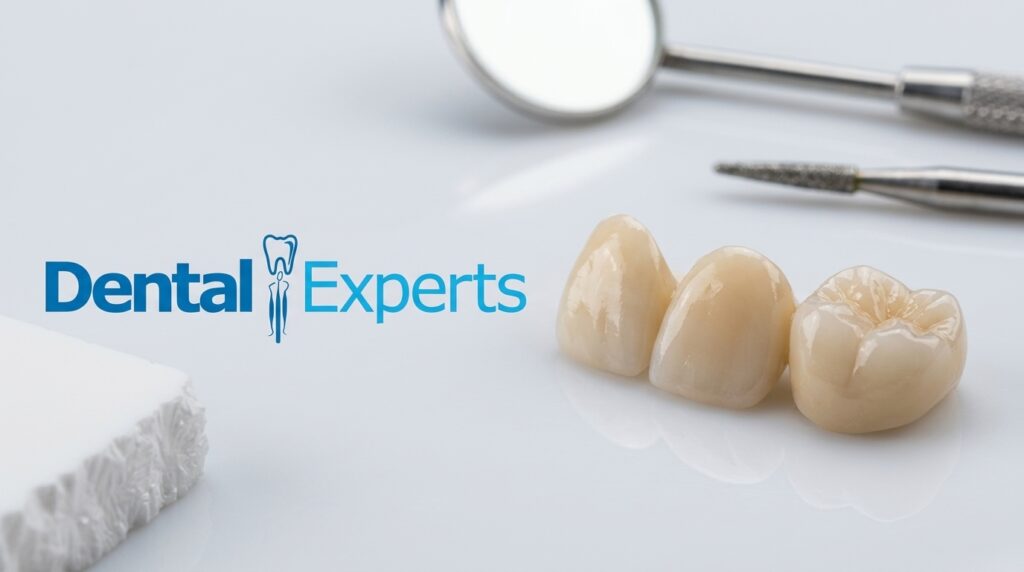
Zirconia is a ceramic material made from zirconium dioxide, an extremely strong, biocompatible white crystalline oxide. Zirconia crowns, sometimes called zirconium teeth, are dental caps milled from a solid block of zirconia using computer-aided design and manufacturing (CAD/CAM) technology. The material is stronger than traditional porcelain, aesthetic enough to match natural teeth, and does not contain any metal, which eliminates the greyish gum line that sometimes develops with porcelain-fused-to-metal crowns. Zirconia crowns have become the fastest-growing crown category in Pakistan because they combine the best properties of strength and appearance in a single restoration.
Zirconia Crown Price in Pakistan (2026)
The current zirconia crown price in Pakistan typically ranges from PKR 25,000 to PKR 60,000 per tooth at reputable private clinics. Prices vary based on the brand of zirconia used, the clinic’s technology and reputation, the dentist’s expertise, and whether the crown is a standard monolithic zirconia or a layered zirconia with aesthetic porcelain coating on the visible surfaces. In Lahore specifically, the zirconia crown price in Lahore averages PKR 30,000 to PKR 50,000 at quality clinics. Premium imported zirconia from brands like IPS e.max ZirCAD or Katana can push prices up to PKR 70,000 per crown. Multiple-crown cases and full-mouth reconstructions typically attract volume discounts. Local clinics may offer basic zirconia crowns starting at PKR 18,000 to PKR 25,000, but the material quality and precision may not match premium options.
Zirconia Crown vs Ceramic Crown: The Key Differences
1. Material Strength
Zirconia crowns withstand bite forces of up to 1,200 MPa, while traditional ceramic (porcelain) crowns handle around 350 to 500 MPa. This makes zirconia far less likely to crack or chip, especially on molars that endure heavy chewing forces.
2. Aesthetic Appearance
Traditional ceramic and porcelain crowns have a long history of producing very natural-looking restorations with excellent light translucency. Modern zirconia has closed much of this gap, and high-end layered zirconia looks virtually identical to natural teeth. For front teeth where aesthetics matter most, some dentists still recommend layered ceramic crowns or E-max lithium disilicate crowns.
3. Tooth Preparation
Zirconia crowns can be made thinner than traditional ceramic, which means the dentist needs to remove less of the natural tooth structure during preparation. This conservative approach helps preserve long-term tooth health.
4. Durability and Longevity
Zirconia crowns typically last 15 to 20 years or longer with good oral hygiene. Porcelain-fused-to-metal crowns last 10 to 15 years, and pure ceramic crowns 10 to 12 years on average.
5. Price
Zirconia crowns in Pakistan are generally 20 to 40 percent more expensive than traditional ceramic or porcelain-fused-to-metal crowns, reflecting the higher material and technology costs. For many patients, the longer lifespan makes the higher upfront price cost-effective over time.
When Are Zirconia Crowns the Best Choice?
Zirconia crowns excel in several clinical situations. They are ideal for posterior teeth (premolars and molars) where chewing forces are highest, patients who grind or clench their teeth (bruxism), front teeth where the patient prefers strength over maximum translucency, replacement of old metal-fused crowns that have developed grey gum lines, single tooth crowns on dental implants, and multi-unit dental bridges that need to withstand high bite loads. Zirconia is also the preferred material for patients with known metal allergies because it is completely metal-free. For patients seeking a complete cosmetic improvement with a full-mouth smile makeover, zirconia crowns offer an exceptional combination of aesthetics and durability that can transform the appearance and function of the entire smile simultaneously. Your dentist will assess your specific case to determine whether monolithic zirconia, layered zirconia, or a different crown material delivers the best aesthetic and clinical outcome.
The Zirconia Crown Procedure: Step-by-Step
Step 1: Examination and Treatment Planning
The dentist examines the tooth, takes X-rays, and discusses the shade, shape, and material options. For complex cases, digital smile design software can show you a preview of the final result.
Step 2: Tooth Preparation
Under local anaesthesia, the tooth is carefully shaped to create space for the crown. Zirconia allows more conservative preparation than metal-based crowns.
Step 3: Digital or Conventional Impression
The dentist takes a precise impression of the prepared tooth using either a digital intraoral scanner or traditional impression material. Digital scanning is faster and more comfortable.
Step 4: Temporary Crown Placement
A temporary crown protects the prepared tooth while the permanent zirconia crown is being manufactured in the dental laboratory.
Step 5: Zirconia Crown Fabrication
The final crown is milled from a solid block of zirconia using CAD/CAM technology, then custom-coloured and polished to match your natural teeth. This usually takes 7 to 14 days.
Step 6: Fitting and Cementation
At the second appointment, the dentist checks the fit, colour, and bite, makes any necessary adjustments, and permanently cements the crown in place.
Advantages of Zirconia Crowns
Zirconia crowns offer multiple genuine benefits: exceptional strength that resists chipping and cracking, biocompatibility with no allergic reactions, no visible grey gum line that sometimes develops with metal-based crowns, natural tooth-like appearance with modern aesthetic layering, excellent longevity of 15 to 20+ years, resistance to staining from tea, coffee, and paan, minimal tooth preparation required, and suitability for patients with nickel or metal allergies. For patients who want a single premium solution that combines strength and beauty, zirconia is hard to beat.
Disadvantages and Considerations
Zirconia crowns are not perfect for every situation. The limitations include higher cost compared to metal or basic ceramic options, slightly less light translucency than the most aesthetic ceramic materials for front teeth, a reputation for being harder than natural enamel which in rare cases may wear opposing teeth faster, and the need for specialised CAD/CAM equipment that not every local clinic offers. Choosing an experienced dentist who works with high-quality zirconia materials and has a reliable laboratory partner significantly reduces these concerns.
Zirconia Teeth Care: How to Maintain Them
Zirconia crowns require the same good oral hygiene as natural teeth. Brush twice daily with a soft-bristled toothbrush and non-abrasive toothpaste, floss daily around the crown margin to prevent gum disease, avoid chewing extremely hard items like ice, hard candy, or bone, visit your dentist every six months for professional cleaning and crown examination, and wear a night guard if you grind your teeth. With proper care, a quality zirconia crown can last 20 years or more without issues.
Final Thoughts on Choosing Zirconia Crowns
Zirconia crowns represent one of the best investments available today for patients needing tooth restoration in Pakistan. The combination of superior strength, natural appearance, long lifespan, and metal-free biocompatibility makes them an excellent choice for most single-tooth and multi-tooth restorations. While the upfront price is higher than basic ceramic or metal options, the longer service life and better long-term performance typically justify the difference for patients who can afford the premium. The most important factor is not the cheapest price but the combination of quality materials, skilled execution, and proper aftercare. For anyone considering a smile transformation with crowns, booking a consultation with the best cosmetic dentist in Lahore who is experienced with zirconia cases is the essential first step. With the right dentist, the right material, and proper maintenance, zirconia crowns can genuinely give you a smile that looks and functions beautifully for decades to come.
Frequently Asked Questions (FAQs)
Q1: What is the price of zirconia crowns in Pakistan in 2026?
Zirconia crown price in Pakistan ranges from PKR 25,000 to PKR 60,000 per tooth at reputable clinics. In Lahore, the average is PKR 30,000 to PKR 50,000. Premium imported zirconia may cost up to PKR 70,000 per crown.
Q2: Are zirconia crowns better than ceramic crowns?
Zirconia crowns are stronger and more durable than traditional ceramic crowns, lasting 15 to 20+ years. Ceramic crowns may offer slightly better aesthetics for front teeth, but modern layered zirconia has closed this gap significantly.
Q3: How long do zirconia crowns last?
With good oral hygiene and regular dental check-ups, zirconia crowns typically last 15 to 20 years or longer. Some cases have documented zirconia crowns functioning well for over 25 years.
Q4: Do zirconia crowns look natural?
Yes, modern zirconia crowns look very natural, especially layered or multi-shade zirconia designed for front teeth. High-end aesthetic zirconia is virtually indistinguishable from natural teeth.
Q5: Are zirconia crowns painful to get?
The procedure is performed under local anaesthesia, so you should feel no pain during tooth preparation. Mild soreness for a day or two afterwards is normal and easily managed with paracetamol.