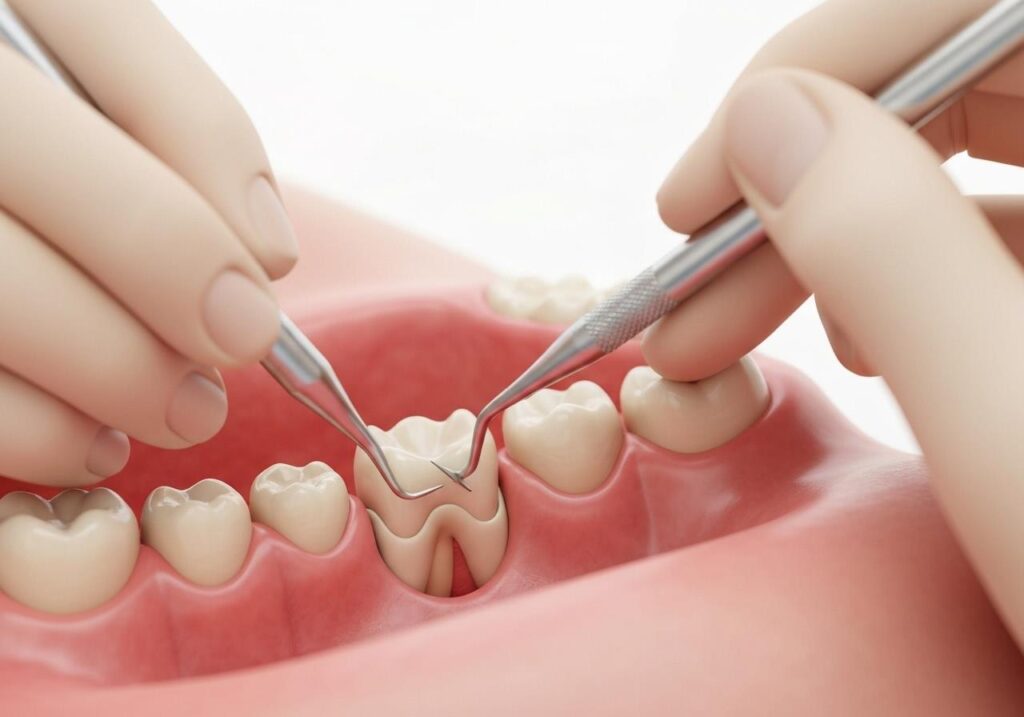

Wisdom tooth removal is one of the most common dental procedures, yet it often comes with a lot of questions and anxiety. Whether your dentist has recommended extraction or you’re experiencing discomfort, understanding the process can help you feel more confident and prepared. This guide breaks down the costs, procedure, and recovery involved in wisdom tooth removal.
What Are Wisdom Teeth and Why Are They Removed?
Wisdom teeth are the third set of molars that usually appear between the ages of 17 and 25. While some people have no issues with them, many experience problems due to lack of space in the jaw. This can cause the teeth to grow at awkward angles, become impacted (trapped beneath the gums), or crowd nearby teeth.
Dentists typically recommend removal when wisdom teeth cause pain, infection, swelling, gum disease, or damage to adjacent teeth. Even if they aren’t currently causing problems, impacted wisdom teeth can lead to complications later, which is why preventive removal is sometimes advised.
The Wisdom Tooth Removal Procedure
The procedure for removing wisdom teeth depends on the complexity of the case. A simple extraction is performed when the tooth has fully erupted and is easily accessible. However, many wisdom teeth require a surgical extraction, especially if they are impacted.
Before the procedure, your dentist or oral surgeon will take X-rays to assess the position of the teeth. You’ll also discuss anesthesia options, which may include local anesthesia, sedation, or general anesthesia depending on your comfort level and the complexity of the extraction.
During the procedure, the dentist will numb the area to prevent pain. For surgical extractions, a small incision is made in the gum to access the tooth. In some cases, the tooth may be divided into smaller pieces to make removal easier. Once the tooth is removed, the area is cleaned, and stitches may be placed to aid healing.
The entire process usually takes 30 to 60 minutes, though it can be longer if multiple teeth are being removed or if the case is complex.
How Much Does Wisdom Tooth Removal Cost?
The cost of wisdom tooth removal can vary widely based on several factors, including the number of teeth being removed, the complexity of the procedure, the type of anesthesia used, and the location of the dental clinic.
In India, the average cost typically ranges from ₹2,000 to ₹10,000 per tooth. Simple extractions are generally on the lower end of the scale, while surgical removals of impacted teeth can cost more. If general anesthesia or sedation is required, this may add to the overall expense.
Dental insurance, if available, may cover part of the cost, especially if the procedure is medically necessary. It’s always a good idea to consult your dentist for a detailed estimate before proceeding.
What to Expect After the Procedure
Recovery after wisdom tooth removal is a crucial part of the process. Immediately after the extraction, you may experience some bleeding, swelling, and mild discomfort. These symptoms are normal and usually subside within a few days.
Your dentist will provide detailed aftercare instructions, which may include biting down on gauze to control bleeding, applying ice packs to reduce swelling, and taking prescribed medications to manage pain and prevent infection.
It’s important to rest for at least 24 hours after the procedure and avoid strenuous activities. Keeping your head elevated and avoiding spitting or using straws can help prevent complications like dry socket, a painful condition where the blood clot at the extraction site becomes dislodged.
If you are specifically searching for wisdom tooth removal cost in Mulund East, it’s important to consult a trusted dental clinic that provides transparent pricing and quality care. Clinics like Dr. Roshan’s Advanced Dental Clinic And Implant Center are known for offering personalized treatment plans based on individual cases, ensuring patients understand both the procedure and associated costs beforehand.
Recovery Timeline
The recovery timeline can vary from person to person, but most people start feeling better within 3 to 5 days. Swelling typically peaks within the first 48 hours and gradually decreases thereafter.
Here’s a general idea of what to expect:
- First 24 hours: Bleeding slows down, and swelling begins. Rest is essential.
- 2–3 days: Swelling and discomfort are at their peak but manageable with medication.
- 4–7 days: Symptoms begin to improve, and normal activities can gradually resume.
- 1–2 weeks: Healing continues, and stitches (if non-dissolvable) may be removed.
Complete healing of the gums may take a few weeks, while the underlying bone can take a few months to fully heal.
Tips for a Smooth Recovery
Taking proper care after the procedure can make a big difference in how quickly and comfortably you recover. Here are some helpful tips:
- Stick to soft foods like yogurt, mashed potatoes, soups, and smoothies for the first few days.
- Avoid hot, spicy, or crunchy foods that can irritate the extraction site.
- Maintain oral hygiene by gently rinsing your mouth with saltwater after 24 hours.
- Avoid smoking and alcohol, as they can delay healing.
- Follow your dentist’s instructions carefully and attend follow-up appointments if needed.
Possible Complications
While wisdom tooth removal is generally safe, like any surgical procedure, it carries some risks. Common complications include infection, dry socket, prolonged bleeding, and swelling. In rare cases, there may be nerve damage leading to temporary numbness in the lips, tongue, or chin.
If you experience severe pain, excessive bleeding, fever, or signs of infection, it’s important to contact your dentist immediately.
Wisdom tooth removal may seem intimidating, but it is a routine and well-understood procedure. Being informed about the costs, procedure, and recovery process can help you approach it with confidence and ease.
If your dentist has recommended removing your wisdom teeth, don’t delay seeking treatment. Addressing the issue early can prevent more serious dental problems down the line and ensure better oral health in the long run.
With proper care and guidance, you’ll be back to your normal routine in no time—pain-free and smiling with confidence.
Original Sources : – Wisdom Tooth Removal: Costs, Procedure, and Recovery Explained