
Digging a hole seems like a straightforward task until you consider what lies beneath the grass. Modern neighborhoods sit on top of a massive web of wires, pipes, and fiber optic cables. One wrong move with a backhoe can shut down the internet for a whole city block or cause a dangerous gas leak. Relying on guesswork is a recipe for a financial and safety disaster. You need a strategy that treats the ground like a surgical site rather than a sandbox. Using professional Utility excavation services in LaBelle ensures that these hidden lifelines remain intact while the work gets done. It is about more than just moving dirt; it is about preserving the vital infrastructure we use every hour.
Every project starts with a clear map of the subsurface environment. Ground-penetrating radar and electromagnetic sensors help find the exact location of buried assets. You cannot just start swinging a shovel and hope for the best. Soil conditions change everything, from the stability of the trench walls to the speed of the dig. Rocky soil might require different tools than soft, sandy Florida earth. Planning for these variables prevents delays and keeps everyone on the job site out of harm’s way. A process-driven approach treats the pre-dig phase as the most important part of the entire operation.
The Critical Role of Hydro Excavation Technology
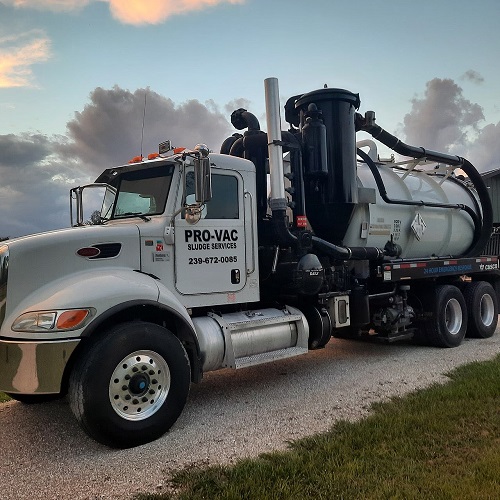
Hydro excavation uses high-pressure water to liquefy the soil while a powerful vacuum sucks it away. This process is incredibly safe for buried utilities because water won’t break a pipe or snap a wire. It allows the team to dig in tight spaces where a machine could never fit. The debris is stored in a tank on the truck, keeping the work site clean and organized. Most people find it fascinating to watch because it looks more like power washing than digging. It is the most efficient way to pothole or daylight buried lines for inspection.
Managing the liquid waste created during this process is a separate task altogether. Large amounts of slurry need to be transported and disposed of at proper facilities. This is where specialized Wastewater Hauling comes into play for larger construction sites. You can’t just dump the mud back into a hole or down a storm drain. It has to be handled by experts who follow environmental regulations to the letter. Keeping the site dry and the waste contained makes the entire excavation process smoother for the crew. It ensures that the project remains compliant with local laws while protecting the surrounding water table.
Managing Environmental and Regulatory Compliance
Digging into the earth can disturb local ecosystems and drainage patterns. You have to think about where the water will go when it rains on your open trench. Silt fences and hay bales prevent loose dirt from washing into the local sewer system. Specialized teams know how to handle contaminated soil if they happen to dig into a spot with old chemical leaks. They follow strict rules for how deep they can dig and how close they can get to protected trees.
Permits are another layer of the process that requires professional attention. Each city has its own rules about when you can dig and how you should patch the road afterward. Missing a single permit can result in a stop-work order and heavy fines. Specialized firms handle the paperwork so the project stays on schedule. They know the local inspectors and understand what they are looking for during a site visit. This administrative expertise is just as valuable as the digging itself. It keeps the project moving forward without legal hiccups.
Why Site Restoration is the Final Test
A job isn’t done just because the utility is installed or repaired. The ground must be put back in a way that prevents future sinking or erosion. This involves backfilling the trench in layers and compacting each one. If you just throw the dirt back in a pile, it will eventually settle and create a dangerous hole in the road or yard. Proper restoration ensures that the surface is just as stable as it was before the dig started.
- Mechanical Compaction: Using “jumping jacks” or vibratory plates to pack the dirt tight.
- Layering: Filling the hole six inches at a time to ensure there are no air pockets.
- Topsoil Replacement: Putting the good dirt back on top so grass can grow again.
- Asphalt Patching: Ensuring the road surface is level and smooth for vehicles.
- Testing: Using a penetrometer to check that the soil density meets engineering standards.
Quality restoration protects the utility line from the weight of the soil above it. It prevents water from pooling in the trench area, which could lead to rot or rust. When a specialized team finishes, you should barely be able to tell they were ever there. The goal is to leave the property in better shape than you found it. This final step is the hallmark of a process-driven approach. It shows respect for the client’s property and the longevity of the infrastructure.
Mastering the Ground with Pro-Vac Sludge Services
Pro-Vac Sludge Services approaches every excavation task with a focus on precision and safety. Their technicians operate a modern fleet of hydro excavation trucks that allow for non-destructive digging in the most sensitive environments. By removing the risk of mechanical damage, they help project managers avoid the high costs of utility strikes. Their process ensures that every underground asset is identified and protected throughout the lifecycle of the job.
Municipalities and private contractors rely on Pro-Vac Sludge Services for their technical knowledge and reliable equipment. The company handles everything from the initial potholing to the final Wastewater Hauling required for site cleanup. Their third-party perspective ensures that safety protocols are followed without shortcuts. This meticulous attention to detail keeps complex projects on track and within budget. When the underground environment is unpredictable, having a team with a proven, structured method is the only way to ensure success.