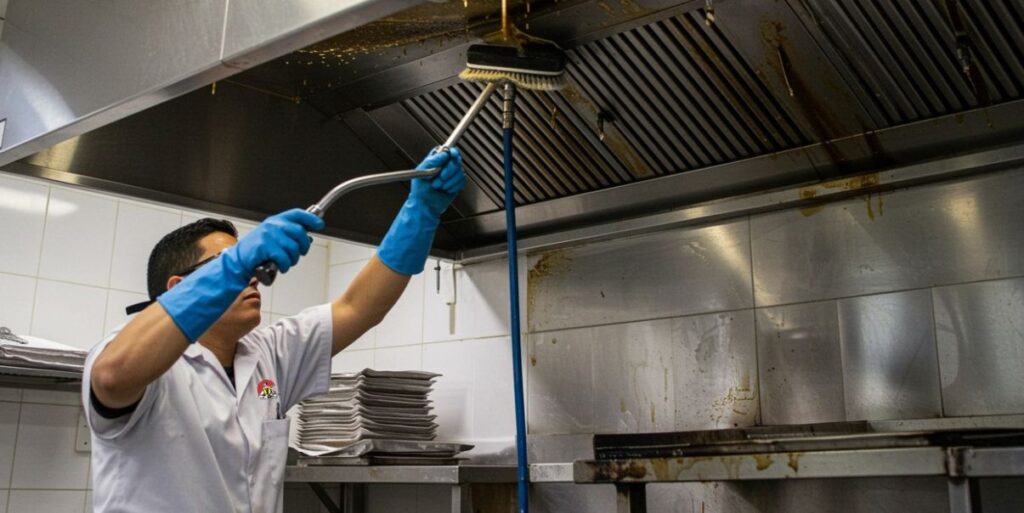

Restaurant kitchens are busy, high-temperature environments where grease, smoke, and oil accumulate quickly. While chefs focus on delivering delicious meals, one critical aspect of kitchen safety often gets overlooked: restaurant exhaust cleaning. Neglecting this essential maintenance task can put your staff, customers, and business at serious risk.
In this blog, we’ll explore why keeping your restaurant exhaust system clean is crucial for fire prevention, compliance, and overall kitchen safety.
1. Understanding the Fire Risk in Restaurant Kitchens
Commercial kitchens generate large amounts of grease and oil from frying, grilling, and sautéing. This grease is highly flammable and tends to build up inside:
-
Exhaust hoods
-
Ductwork
-
Filters
-
Fans
When grease accumulates, even a small spark from cooking equipment can ignite a fire. According to the National Fire Protection Association (NFPA), cooking equipment is the leading cause of fires in restaurants, and a poorly maintained exhaust system dramatically increases the risk.
A single kitchen fire can cause:
-
Property damage costing tens of thousands of dollars
-
Business interruption and revenue loss
-
Injury to staff and customers
-
Increased insurance premiums
Regular restaurant exhaust cleaning is the first line of defense against these hazards.
2. How Restaurant Exhaust Cleaning Prevents Fires
A professionally cleaned exhaust system removes grease and debris from every component of your ventilation system. Key benefits include:
-
Eliminates grease buildup: Removing flammable grease reduces the risk of ignition.
-
Improves airflow: Clean hoods and ducts allow smoke, steam, and heat to escape efficiently, reducing hotspots that could ignite.
-
Reduces risk of rooftop fires: Grease accumulation on rooftop fans is a common cause of fire spread in multi-story buildings.
-
Protects cooking equipment: Proper airflow prevents overheating, which can lead to accidental fires.
In short, regular exhaust cleaning ensures that your kitchen remains a safe working environment for your staff and customers.
3. Compliance with Fire Codes and Insurance Requirements
In Canada and most countries, restaurant exhaust systems must comply with NFPA 96, the standard for commercial kitchen ventilation systems. These standards specify:
-
How often hoods and ducts should be cleaned based on cooking volume
-
Proper methods for grease removal
-
Documentation and certification required for inspections
Failing to follow these regulations can lead to:
-
Fire code violations
-
Fines and penalties
-
Insurance claim denials in case of fire
A certified restaurant exhaust cleaning service ensures that your kitchen stays compliant, minimizing legal and financial risks.
4. Recommended Cleaning Frequency
The frequency of exhaust cleaning depends on the type of cooking and kitchen volume:
| Kitchen Type | Recommended Cleaning Frequency |
|---|---|
| High-volume kitchens (frying, grilling) | Monthly |
| Medium-volume kitchens | Quarterly |
| Low-volume or occasional use | Semi-annually |
A professional cleaning company can assess your kitchen and recommend a schedule tailored to your operations.
5. Choosing the Right Cleaning Service
Not all restaurant exhaust cleaning companies provide the same level of service. When selecting a provider, consider:
-
Certification: Technicians should be trained according to NFPA 96 standards.
-
Experience: Look for providers specializing in commercial kitchens.
-
Documentation: Ensure they provide cleaning reports and certification stickers for inspections.
-
Full-service cleaning: Hoods, filters, ductwork, and fans should all be cleaned thoroughly.
Hiring a certified, experienced service ensures that your kitchen is fire-safe and inspection-ready.
6. Additional Benefits of Regular Exhaust Cleaning
Beyond fire prevention, regular exhaust cleaning also provides:
-
Improved air quality: Removes smoke, odors, and grease particles from the kitchen environment.
-
Energy efficiency: Clean ducts and fans reduce strain on ventilation systems, lowering energy costs.
-
Extended equipment life: Prevents premature wear of exhaust fans and hoods caused by grease accumulation.
Investing in restaurant exhaust cleaning is not just about compliance—it’s about protecting your staff, your customers, and your bottom line.
Final Thoughts
Restaurant exhaust cleaning is critical for fire prevention. Grease accumulation in hoods, ducts, and fans is a major fire hazard that can threaten lives, property, and business operations. By hiring a certified and experienced cleaning service, following NFPA 96 standards, and maintaining a regular cleaning schedule, you can significantly reduce the risk of kitchen fires while improving air quality and equipment efficiency.
Don’t wait until a fire occurs—make restaurant exhaust cleaning a priority for your commercial kitchen today.