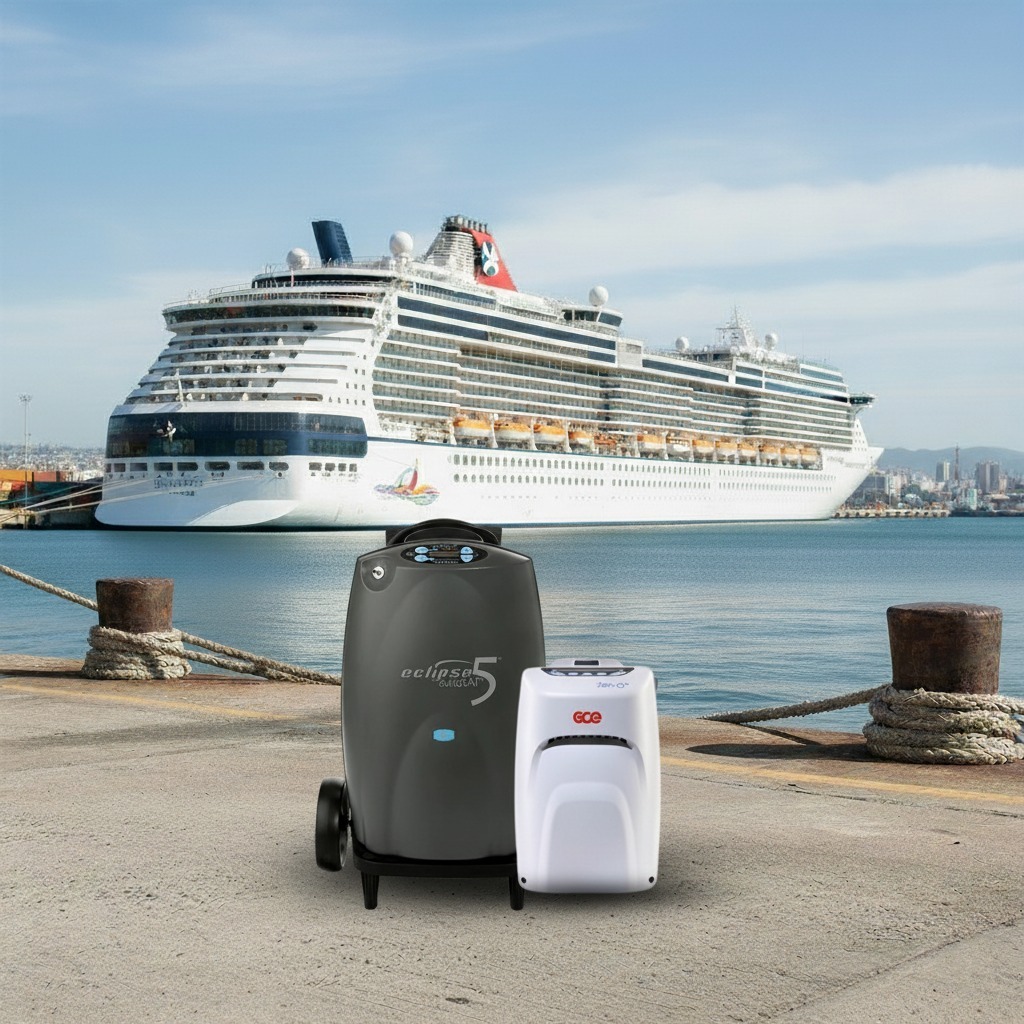

Oxygen therapy has long been a lifeline for individuals living with chronic respiratory conditions such as COPD, pulmonary fibrosis, severe asthma, and other lung diseases. For decades, traditional oxygen tanks and stationary concentrators were the standard treatment options. While effective, these systems often restricted mobility and limited patients’ independence. Today, healthcare is evolving, and so are oxygen delivery solutions. Portable Oxygen Concentrators are rapidly becoming the future of oxygen therapy, offering greater flexibility, efficiency, and improved quality of life for patients worldwide.
As modern healthcare continues to prioritize patient-centered care, mobility, and home-based treatment, the shift toward more advanced oxygen systems is both natural and necessary. The innovation behind the modern portable oxygen device reflects a larger transformation in how medical technology adapts to real-life needs.
Moving Beyond Traditional Oxygen Tanks
Traditional oxygen tanks store compressed oxygen and require regular refills. They can be bulky, heavy, and inconvenient, especially for patients who need continuous oxygen support throughout the day. Managing tank replacements, monitoring supply levels, and transporting large cylinders can become overwhelming.
In contrast, Portable Oxygen Concentrators do not store oxygen. Instead, they draw in surrounding air, filter out nitrogen, and deliver concentrated oxygen directly to the user. This process eliminates the need for refills and significantly reduces logistical challenges. Patients can enjoy a continuous supply of oxygen without depending on delivery schedules or worrying about running out unexpectedly.
This self-sufficient functionality makes Portable Oxygen Concentrators more practical for everyday life. They represent a shift from reactive oxygen management to proactive, seamless therapy.
Enhancing Mobility and Independence
One of the strongest reasons Portable Oxygen Concentrators are considered the future of oxygen therapy is their ability to restore independence. Mobility plays a crucial role in both physical and mental health. When patients feel confined due to medical equipment, their overall well-being can decline.
A lightweight and compact portable oxygen device allows individuals to move freely at home and outdoors. Whether attending social events, exercising lightly, shopping, or visiting family, patients no longer have to plan their lives around heavy oxygen tanks.
Greater independence often leads to improved emotional health. Studies consistently show that patients who remain socially active and physically mobile experience better overall outcomes. Portable Oxygen Concentrators support this by making oxygen therapy less intrusive and more adaptable to daily routines.
Supporting Active Lifestyles
Modern patients expect treatments that fit into their lives—not the other way around. Healthcare solutions must accommodate work, hobbies, travel, and family commitments. Portable Oxygen Concentrators make it possible for oxygen therapy users to maintain an active lifestyle.
The development of portable travel oxygen options has dramatically changed how individuals approach vacations and long-distance trips. Lightweight construction, rechargeable batteries, and travel-friendly designs ensure that patients can continue therapy without interruption. Long battery life options and car-charging capabilities add further convenience for road travel.
For many patients, the ability to travel again is life-changing. It restores a sense of freedom and normalcy that may have felt lost after diagnosis. As travel and lifestyle flexibility become central to patient satisfaction, Portable Oxygen Concentrators clearly stand out as the preferred solution.
Safe and Convenient Air Travel
Air travel was once one of the biggest obstacles for oxygen therapy users. Strict airline regulations and safety concerns made flying complicated and stressful. Today, technological advancements have addressed this issue through the availability of the FAA approved oxygen concentrator.
These devices meet aviation safety standards and are permitted for use onboard commercial aircraft. This approval has significantly simplified travel for patients who rely on oxygen therapy. Instead of coordinating oxygen tank arrangements at airports or destinations, travelers can bring their concentrator with them.
The rise of the FAA approved oxygen concentrator reflects how medical device manufacturers are aligning innovation with real-world needs. As global travel continues to grow, oxygen therapy solutions must keep pace. Portable Oxygen Concentrators make this possible by combining medical reliability with travel convenience.
Technological Advancements Driving Growth
The rapid evolution of Portable Oxygen Concentrators is fueled by continuous technological improvement. Early models were heavier and had limited battery life. Today’s devices are smaller, quieter, and more energy-efficient.
Modern units often include digital displays, adjustable flow settings, oxygen purity monitoring, and smart alarm systems. Some advanced models even integrate with remote monitoring tools, allowing healthcare providers to track usage and ensure optimal therapy.
Battery technology has also significantly improved. Extended battery options allow patients to use their portable oxygen device for longer periods without recharging. Fast-charging systems and multiple power source compatibility (AC, DC, and battery) add another layer of convenience.
These innovations are shaping the future of oxygen therapy by prioritizing reliability, ease of use, and adaptability.
Improving Healthcare Efficiency
Beyond individual patient benefits, Portable Oxygen Concentrators contribute to healthcare system efficiency. Traditional oxygen tank delivery requires coordination, transportation, and inventory management. Concentrators reduce dependency on supply chains because they generate oxygen on demand.
This not only lowers long-term costs but also reduces environmental impact associated with tank production and transportation. Healthcare providers and insurers increasingly recognize the economic advantages of Portable Oxygen Concentrators, further accelerating adoption.
Additionally, improved mobility often leads to better therapy compliance. When patients find treatment easier to manage, they are more likely to follow prescribed oxygen usage guidelines. Better adherence can result in fewer complications and reduced hospital readmissions.
Enabling Home-Based and Remote Care
Healthcare is steadily shifting toward home-based treatment models. Remote monitoring, telehealth services, and at-home recovery programs are becoming standard components of modern care. Portable Oxygen Concentrators fit seamlessly into this model.
Patients can receive effective oxygen therapy without frequent hospital visits or clinic-based treatments. This reduces strain on healthcare facilities while empowering patients to manage their conditions in familiar, comfortable environments.
The ability to combine Portable Oxygen Concentrators with telemedicine platforms may define the next phase of respiratory care. Physicians could monitor oxygen levels remotely, adjust therapy plans digitally, and provide timely interventio
A Patient-Centered Future
ns without requiring in-person appointments.
At its core, the rise of Portable Oxygen Concentrators reflects a broader shift toward patient-centered healthcare. Medical treatments are no longer evaluated solely on effectiveness but also on how well they integrate into patients’ lives.
A reliable portable travel oxygen solution or an FAA approved oxygen concentrator is not simply a device it represents freedom, dignity, and the ability to maintain independence despite chronic illness. These factors significantly influence patient satisfaction and long-term health outcomes.
As respiratory conditions continue to affect millions globally, the demand for flexible and innovative therapy options will grow. Portable Oxygen Concentrators meet this demand by combining medical precision with modern design.
Conclusion
Portable Oxygen Concentrators are shaping the future of oxygen therapy by redefining how patients experience treatment. Through enhanced mobility, improved travel capabilities, advanced technology, and integration with modern healthcare systems, these devices provide a comprehensive solution for respiratory care.
The evolution of the portable oxygen device, the expansion of portable travel oxygen options, and the availability of the FAA approved oxygen concentrator all point toward a future where oxygen therapy is no longer restrictive. Instead, it becomes empowering, efficient, and adaptable to everyday life.
As healthcare continues to evolve, Portable Oxygen Concentrators will remain at the forefront delivering not just oxygen, but freedom and independence to those who need it most.