
The global demand for sports nutrition and protein supplements has grown rapidly in the last few years. As fitness awareness increases and more people focus on muscle recovery, weight management, and healthy lifestyles, whey protein has become one of the most widely consumed nutritional supplements.
For supplement brands and startups entering the sports nutrition industry, working with reliable whey protein manufacturers is essential. A professional manufacturer not only produces the product but also helps with formulation, quality control, packaging, and regulatory compliance.
This guide explains how whey protein is manufactured, what to look for in a manufacturing partner, and the key factors brands should consider when launching their own whey protein products.
What Is Whey Protein?
Whey protein is a high-quality protein derived from milk during the cheese-making process. When milk separates into curds and liquid whey, the liquid portion is processed and purified to create whey protein powder.
Because it contains all nine essential amino acids, whey protein is considered a complete protein and is widely used in:
-
Muscle recovery and sports nutrition
-
Weight management programs
-
Fitness and bodybuilding diets
-
General health and nutrition supplements
This is why whey protein has become a core product for many fitness brands and nutrition companies.
Why Whey Protein Manufacturers Are Important for Supplement Brands
Many fitness brands do not operate their own factories. Instead, they collaborate with experienced whey protein manufacturers that specialize in supplement production.
These manufacturers provide services such as:
Product formulation
Developing protein blends that meet specific goals such as muscle growth, lean muscle maintenance, or recovery support.
Private label manufacturing
Allowing brands to sell protein products under their own label without building a manufacturing facility.
Quality testing
Ensuring the protein powder meets safety, purity, and nutritional standards.
Packaging and branding
Providing different packaging options such as jars, pouches, or sachets.
For startups and growing brands, this partnership helps reduce costs while maintaining high product quality.
Types of Whey Protein Produced by Manufacturers
Most whey protein manufacturers produce several different forms of whey protein depending on the product’s purpose.
Whey Protein Concentrate
This is the most commonly used form of whey protein. It typically contains 70–80% protein along with small amounts of fat and lactose. It is widely used in everyday protein supplements.
Whey Protein Isolate
Whey isolate undergoes additional filtration to remove most of the fat and lactose. It usually contains 90% or more protein, making it ideal for athletes and people looking for high-purity protein.
Whey Protein Hydrolysate
This type of protein is partially broken down through hydrolysis, which allows for faster digestion and absorption. It is often used in premium sports nutrition products.
Understanding these types helps brands decide which formulation best fits their target audience.
What to Look for When Choosing Whey Protein Manufacturers
Choosing the right manufacturing partner is one of the most important decisions for a supplement brand. Here are key factors to consider.
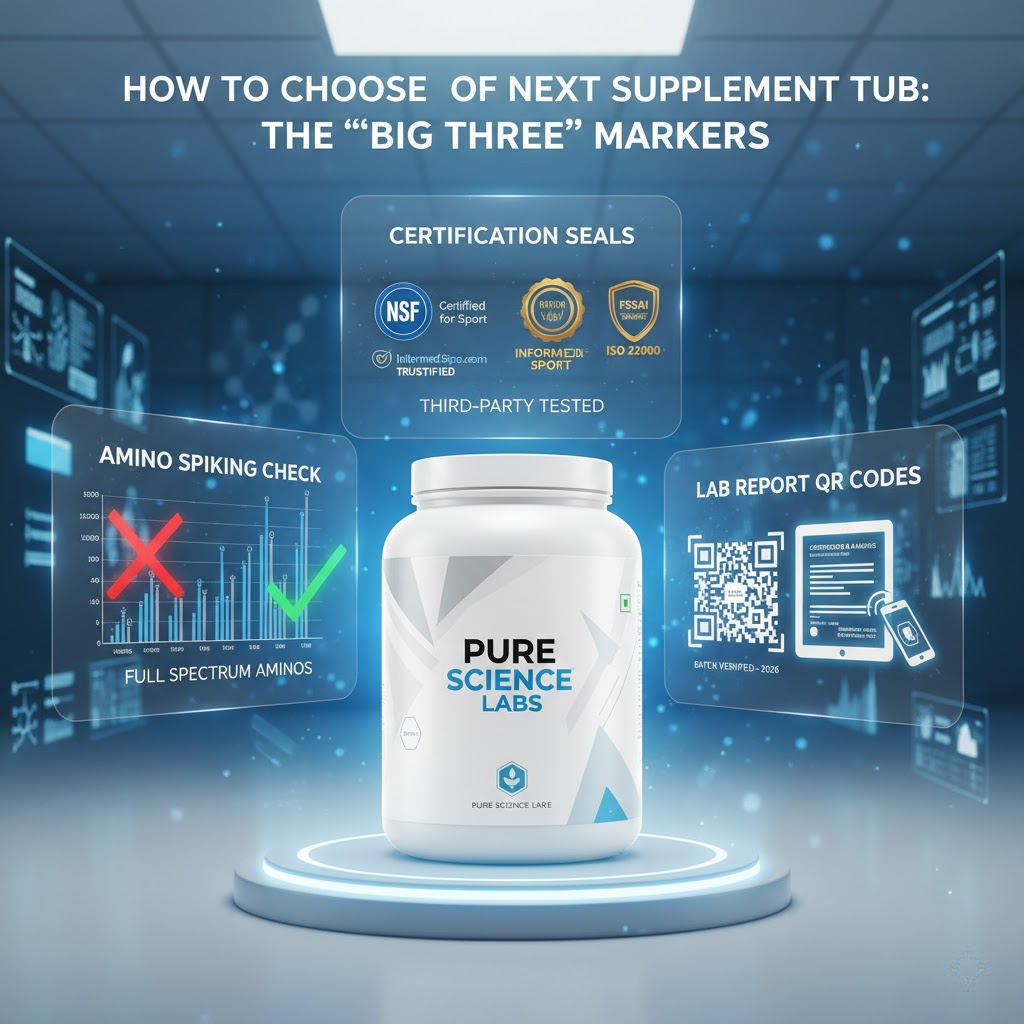
Quality Certifications
Reliable manufacturers follow strict quality standards such as:
-
GMP (Good Manufacturing Practices)
-
FSSAI compliance
-
ISO certification
These certifications ensure the protein powder is produced safely and consistently.
Ingredient Transparency
Consumers today are more informed than ever. Many questions on platforms like Quora and Reddit revolve around ingredient quality and product purity.
Common questions include:
-
“How do I know if whey protein is pure?”
-
“Are protein powders safe for daily use?”
-
“Do whey protein supplements contain heavy metals?”
A trustworthy manufacturer provides third-party testing and transparent ingredient sourcing to address these concerns.
How Whey Protein Is Manufactured
Many people are curious about the actual process behind whey protein production. Explaining the process builds trust and authority.
Typical manufacturing process includes:
-
Milk collection from dairy farms
-
Cheese production where whey liquid is separated
-
Filtration process to remove fats and lactose
-
Protein concentration and purification
-
Spray drying to convert liquid whey into powder
-
Flavoring and blending for final product formulation
This process ensures the protein powder maintains high protein content and nutritional value.
2. Common Questions Consumers Ask About Whey Protein
Many discussions on Quora and Reddit focus on safety and effectiveness. Addressing these questions helps your blog rank for long-tail keywords.
Common questions include:
-
Is whey protein safe for daily use?
-
Can whey protein help with muscle recovery?
-
What is the difference between whey isolate and concentrate?
-
Does whey protein cause kidney problems?
-
How much whey protein should beginners take?