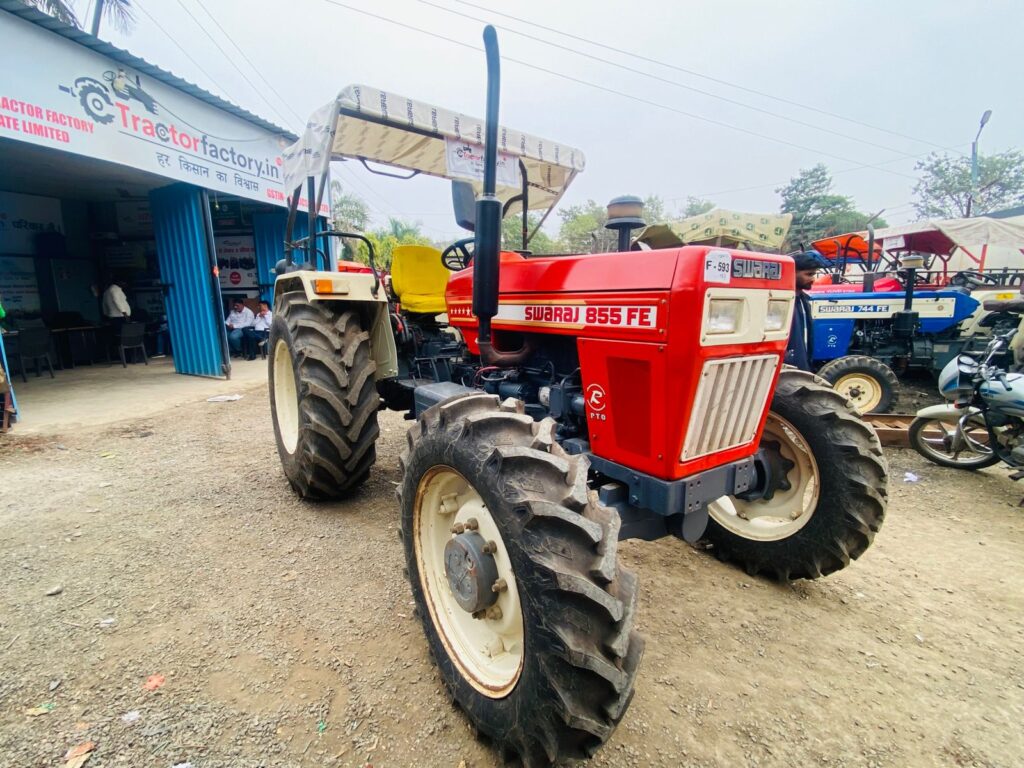

A seizing tractor doesn’t announce itself loudly at first. It gives small signs. A tight crank. A dull resistance when you expect smooth rotation. I’ve felt it happen in the field, hands on the steering, foot easing off the clutch, wondering why the engine suddenly feels heavier than it did yesterday. Seizing isn’t dramatic like a breakdown on the road. It’s quieter. More stubborn. And if you ignore it, that quiet resistance turns into silence.
What Tractor Seizing Actually Means on the Ground
People talk about engine seizure like it’s a single moment. In real life, it’s a process. Metal rubbing where oil should be. Heat building because cooling isn’t doing its job. The crankshaft starts fighting you. Pistons don’t slide clean anymore. I’ve seen tractors that still start but feel wrong, like they’re dragging an invisible load. That’s early-stage seizing. Full seizure is when nothing moves. Starter clicks. Engine stays locked. That’s the point nobody wants to reach.
Common Reasons Tractors Seize in Real Farm Conditions
Most seized tractors I’ve come across didn’t die from one big mistake. It was small neglect adding up. Low engine oil is the most common culprit. Not empty, just low enough to stop proper lubrication. Overheating is another. A clogged radiator full of dust and chaff doesn’t look serious until the temperature needle climbs and stays there. Old tractors especially suffer when maintenance schedules are skipped because “it ran fine last season.” Metal doesn’t remember promises.
Oil Starvation and Its Slow Damage
Running a tractor with poor oil circulation is like walking miles with no water. You won’t collapse instantly, but damage starts early. Bearings wear. Cylinder walls score. I’ve opened engines where the oil looked fine on the dipstick, but oil passages were blocked with sludge. Seizing didn’t happen suddenly. It was earned over years of irregular oil changes and cheap filters that collapsed internally.
Overheating Turns Strong Engines Weak
Heat changes metal. That’s not theory, it’s something you see. Pistons expand, clearances shrink, and suddenly parts that used to glide start gripping each other. I’ve seen tractors seize during summer ploughing simply because the fan belt snapped and nobody noticed until steam came out. One small rubber belt can decide the life of an engine.
Coolant Neglect Is a Silent Killer
Plain water instead of coolant is common in rural tractors. It works, until it doesn’t. Rust forms inside the block. Scale builds up. Cooling efficiency drops every year. Eventually, hotspots form around cylinders. Those spots overheat even when the gauge looks normal. I’ve seen seized engines where the radiator was full, but the block passages were half clogged with rust flakes.
Fuel Problems That Lead to Seizing
Bad fuel won’t seize an engine overnight, but it contributes. Diesel diluted with kerosene runs hotter. Injectors clog and spray unevenly. Combustion becomes harsh. Over time, piston crowns overheat. Rings lose tension. That heat transfers downwards, increasing friction. It’s slow damage, but it stacks up. Seizing is often the final chapter, not the whole story.
Early Warning Signs Farmers Often Miss
A tractor rarely seizes without warning. Hard starting. Reduced power. Engine knocking under load. Oil pressure light flickering at idle. I’ve heard farmers say, “It’s just tired.” That tiredness is friction. Another sign is increased fuel consumption. The engine works harder to overcome internal resistance. Ignore these, and you’re gambling with expensive parts.
What Happens When a Tractor Fully Seizes
When an engine seizes completely, everything stops together. The crankshaft locks. Pistons stick in their bores. Sometimes one piston is enough to jam the whole system. Trying to force-start it can snap connecting rods or strip starter gears. I’ve seen people keep turning the key, hoping it’ll free itself. It won’t. At that point, you’re only increasing the repair bill.
Can a Seized Tractor Engine Be Repaired
Yes, sometimes. No, not always cheaply. Light seizure from overheating may be salvageable with honing, new rings, and bearings. Severe seizure where pistons weld to cylinders often needs rebore or full engine replacement. The real question isn’t can it be fixed, but whether it’s worth fixing. Old tractors with rare parts become financial decisions, not emotional ones.
Cost Reality of Fixing a Seized Tractor
Repair costs vary wildly. A partial rebuild might be manageable. A full overhaul with pistons, liners, crank grinding, bearings, oil pump, and labor can cross the value of the tractor itself. I’ve seen owners spend more repairing sentiment than logic would allow. Sometimes the smarter move is selling it as-is or using it for parts.
Buying a Seized Tractor as a Project
Seized tractors often appear in used tractor markets at tempting prices. I’ve bought one myself. Cheap upfront, expensive later. Before buying, check why it seized. Overheating damage is different from oil starvation damage. Pull the injectors and try rotating manually if possible. Look for metal in oil. A seized tractor can be a good deal only if you know engines well or have access to affordable machining.
Preventing Tractor Seizing Starts With Routine Habits
Prevention isn’t fancy. Regular oil changes. Proper coolant. Cleaning the radiator. Checking belts. Letting the engine warm up before heavy load. Letting it cool before shutting down after long work. These aren’t textbook tips. They’re habits learned after seeing engines fail. Tractors that seize early usually belonged to someone who was always in a hurry.
Old Tractors and Seizing Risk
Older tractors aren’t weaker by default, but they demand more attention. Clearances are already wider. Oil pumps may be tired. Cooling systems aren’t as efficient as modern ones. Running them like new machines is risky. I’ve seen forty-year-old tractors work beautifully because their owners respected their limits.
Seasonal Storage Mistakes That Lead to Seizing
Long storage without preparation causes problems. Moisture settles. Oil drains off surfaces. Rust forms inside cylinders. Then, months later, someone tries to start it dry. That first crank can scratch cylinder walls badly. Proper storage with fresh oil, periodic cranking, or even fogging oil saves engines from slow internal damage.
Hydraulic System Issues Confused With Engine Seizing
Sometimes what feels like engine seizure isn’t internal at all. Hydraulic pumps locked up can load the engine heavily. PTO-driven equipment can jam. I’ve seen people open engines unnecessarily because they didn’t isolate attachments first. Always rule out external resistance before declaring an engine seized.
Emotional Side of a Seized Tractor
A tractor isn’t just a machine on many farms. It’s memories. Seasons worked. Crops saved. When it seizes, it feels personal. I’ve watched farmers stand quietly beside a dead engine, hand on the bonnet, thinking of years gone by. That’s why decisions around repair aren’t always logical. They’re human.
Resale Value of a Seized Tractor
A seized tractor isn’t worthless. Mechanics, rebuilders, and parts dealers look for them. Gearboxes, rear axles, hydraulics often outlast engines. Being honest about the condition helps. Trying to hide a seized engine only damages trust and value.
Final Thoughts From Someone Who’s Seen Too Many Engines Lock
Seizing is rarely bad luck. It’s neglect, heat, oil, or time catching up. Tractors forgive a lot, but not everything. If your engine feels tight, listen to it. If it runs hot, stop. Fixing small problems early saves you from that moment when the engine won’t turn at all. And once you’ve heard that dead silence after turning the key, you never forget it.