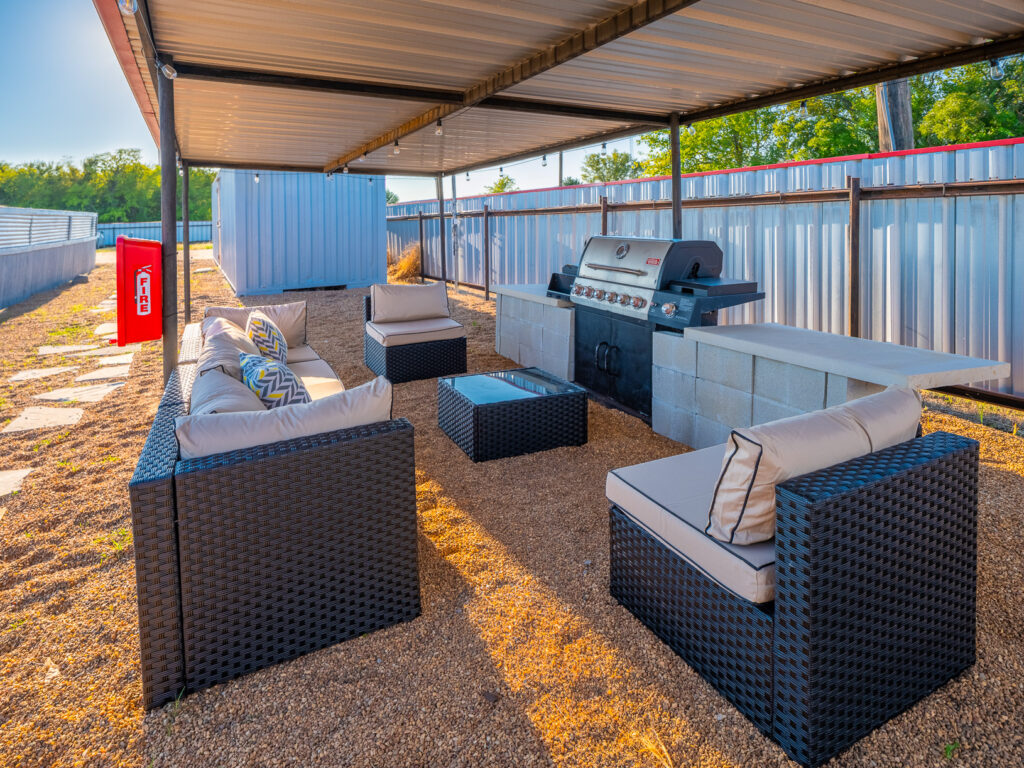

Choosing the right long term RV park is one of the most important decisions for anyone planning extended RV living. Whether you’re a full-time traveler or staying in one place for months, the right park can make your experience comfortable, affordable, and stress-free. With so many options available, knowing what to check beforehand will help you find one of the best RV campgrounds that truly fits your needs.
1. Location and Accessibility
The first thing to consider is the park’s location. Think about your daily needs—are grocery stores, hospitals, and fuel stations nearby? If you work remotely or commute, internet connectivity and road access become even more important. A well-located long term RV park should offer convenience without sacrificing peace and quiet.Also, check how easy it is to enter and exit the park, especially if you have a large RV. Tight spaces and difficult turns can quickly become frustrating over time.
2. Monthly Rates and Hidden Costs
Cost is a major factor when choosing a long term RV park. While some parks advertise affordable monthly rates, you should always ask what’s included.
Key questions to ask:
- Are electricity, water, and sewer included?
- Is there an extra charge for Wi-Fi or cable?
- Are there deposits or long-term contracts?
Comparing pricing with other best RV campgrounds will help you understand whether you’re getting value for your money.
3. Amenities and Facilities
Amenities can make a huge difference in long-term comfort. Look for parks that offer essential and lifestyle-friendly facilities such as:
- Clean restrooms and showers
- Laundry facilities
- Reliable Wi-Fi
- Clubhouses or community areas
- Pet-friendly spaces
The best RV campgrounds often go beyond basics by offering walking trails, swimming pools, or fitness areas. These extras can greatly enhance your day-to-day experience.
4. Safety and Security
Safety should never be overlooked. A good long term RV park should have proper lighting, security cameras, and clear management policies.
Things to check:
- Is the area well-lit at night?
- Are there gated entries or security patrols?
- What do current residents say about safety?
Reading online reviews can give you honest insights into how secure the park actually is.
5. Park Rules and Community Environment
Every long term RV park has its own set of rules, and these can impact your lifestyle. Some parks are quiet and family-oriented, while others may be more social or seasonal.
Check for:
- Pet policies and restrictions
- Noise rules and quiet hours
- Guest policies
- Length-of-stay requirements
The goal is to find a park where the environment matches your lifestyle. The best RV campgrounds usually maintain a balance between structure and comfort.
6. Hookups and Site Quality
Reliable hookups are essential for long-term stays. Make sure the long term RV park offers:
- Full hookups (water, sewer, electricity)
- Stable electrical connections (30/50 amp)
- Level and spacious sites
Poor infrastructure can lead to constant issues, which is the last thing you want during an extended stay.
7. Internet and Connectivity
In today’s world, internet access is crucial. Whether you work online, stream content, or stay connected with family, reliable Wi-Fi is a must.
Before choosing a long term RV park, ask:
- Is Wi-Fi included or paid?
- How strong and stable is the connection?
- Are there backup connectivity options?
Many of the best RV campgrounds now prioritize high-speed internet for long-term guests.
8. Reviews and Reputation
One of the easiest ways to evaluate a long term RV park is by checking reviews. Platforms like Google and travel forums provide real feedback from other RVers.
Look for patterns in reviews:
- Are people happy with the management?
- Are facilities consistently clean?
- Are there repeated complaints?
Highly rated parks are often among the best RV campgrounds because they maintain quality and customer satisfaction.
9. Weather and Seasonal Conditions
Climate plays a big role in long-term RV living. Before committing to a long term RV park, research:
- Seasonal weather conditions
- Flood or storm risks
- Temperature extremes
Choosing a location with favorable weather can make your stay much more enjoyable and reduce unexpected challenges.
10. Long-Term Comfort and Lifestyle Fit
Finally, think about your overall lifestyle. A long term RV park should feel like a home, not just a place to park your RV.
Ask yourself:
- Can I see myself staying here for months?
- Does the environment match my daily routine?
- Are there opportunities to relax and socialize?
The best RV campgrounds are those that combine comfort, community, and convenience, making long-term living enjoyable.
Final Thoughts
Finding the right long term RV park requires careful planning and research. By checking location, cost, amenities, safety, and overall environment, you can avoid common mistakes and choose a place that truly meets your needs.
Remember, the goal is not just to find a place to stay—but to discover one of the best RV campgrounds where you can live comfortably, feel secure, and enjoy your RV lifestyle to the fullest.