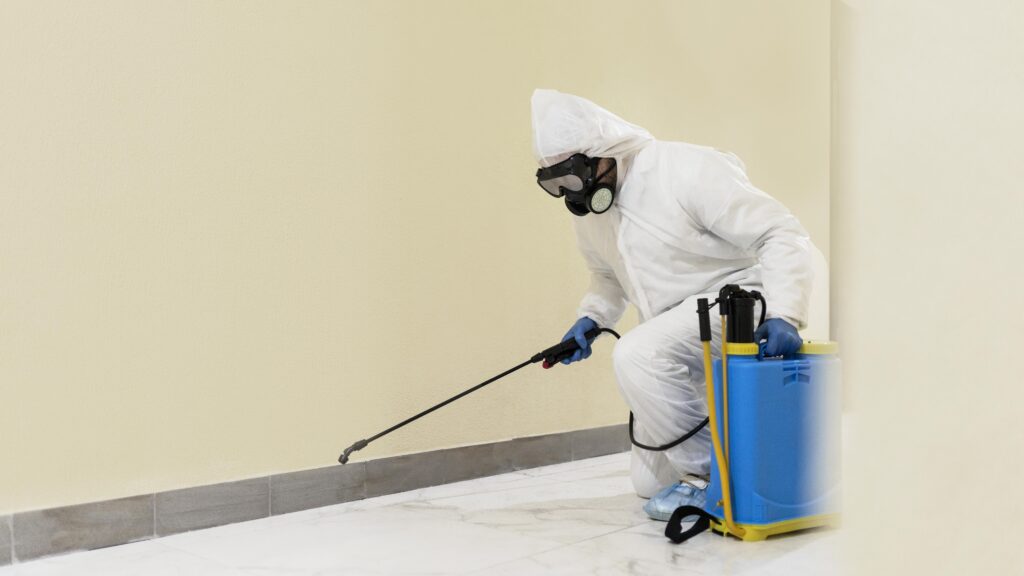

Most homeowners underestimate how much pest activity hides in plain sight until a professional inspection exposes the full picture behind the walls.
A professional pest inspection shows far more than a few insects moving across the floor. It uncovers hidden behavior, structural risks, and long-term conditions that allow pests to survive indoors. Many infestations stay active for months before obvious signs appear. Inspections bring clarity early, which helps stop damage and stress before they both escalate.
Homes across the region experience constant pest pressure due to climate and dense development. During inspections, technicians frequently identify patterns tied to long-term activity. This deeper view explains why residential pest control in Orange County, CA, plays a key role in protecting homes beyond surface treatments.
Why Visible Pests Rarely Tell the Full Story
Seeing ants near a window or roaches at night feels alarming. Still, those pests represent only a small portion of the problem. Most pest activity stays hidden inside walls, ceilings, and voids beneath flooring.
Inspectors study movement patterns. For example, repeated sightings in one room suggest nearby nesting zones. Understanding these routes helps stop infestations at their source instead of chasing symptoms.
Entry Points Homeowners Commonly Miss
Pests enter homes through small openings that often go unnoticed. Inspections focus on these overlooked areas because sealing them reduces repeat problems.
Technicians usually find access points around utility lines, vents, aging seals, and foundation cracks. These gaps develop slowly and expand over time. Once sealed, pest pressure drops significantly and treatments last longer.
Moisture Issues That Quietly Support Infestations
Moisture attracts pests faster than crumbs in many cases. Inspections always examine kitchens, bathrooms, and laundry spaces closely. Even small leaks create long-term nesting conditions.
In addition, crawl spaces and attics trap humidity. These areas stay warm and undisturbed, which supports breeding. Fixing moisture problems removes one of the strongest reasons pests stay active indoors.
What Pest Nesting Looks Like Behind Walls
Unusual sounds at night often connect to nesting activity. Scratching, faint thumping, or rustling noises point to rodents or large insects. Inspections confirm these signs through droppings, nesting debris, and odor trails.
Attics attract pests due to warmth and quiet conditions. Insulation damage and compressed pathways reveal repeated movement. Identifying these zones allows targeted removal without tearing into living areas.
Food Sources That Keep Infestations Alive
Pests stay close to reliable food. Inspections trace food access points that homeowners rarely notice. Trash storage, pet feeding areas, and pantry habits all play a role.
For example, crumbs beneath appliances support ants long term. Poorly sealed food containers attract rodents. Inspectors map these sources and suggest simple changes that reduce activity fast.
Signs of Past Treatments That Failed
Previous sprays and traps leave behind patterns that professionals recognize quickly. Inspections reveal partial control attempts that never reached nesting areas.
In many cases, DIY methods push pests deeper into walls. This reaction spreads infestations quietly. Inspection findings explain why pests return soon after surface treatments fade.
Why Shared Walls Increase Pest Pressure
Multi-unit housing faces faster pest spread due to shared structures. Inspections identify movement paths between units, plumbing lines, and ceilings.
Midway through many inspections, technicians recommend coordinated treatment for lasting results. Residents often rely on residential pest control in Irvine, CA, to manage these shared risks effectively and reduce reinfestation cycles.
Outdoor Conditions That Drive Indoor Problems
Exterior conditions influence indoor infestations heavily. Inspections examine landscaping, drainage, and storage around the home.
Issues like soil touching siding, overgrown plants, and standing water increase pressure indoors. Correcting these factors lowers pest activity before it reaches interior spaces.
Health Risks Often Revealed During Inspections
Pests leave behind droppings, shed skins, and bacteria. Inspections highlight these health risks clearly. Many homeowners link these findings to allergy symptoms or respiratory irritation.
Children and pets face higher exposure due to floor-level contact. Inspectors explain risks and suggest immediate steps to improve safety and cleanliness.
How Inspections Shape Smarter Treatment Plans
Every inspection produces real data. This information guides treatment choices that match pest type and severity. Professionals avoid one-size solutions because each property behaves differently.
Next, inspectors explain timelines and realistic expectations. Clear communication builds trust and ensures homeowners understand each step of the process.
Why Inspections Focus on Prevention, Not Just Removal
Removal solves today’s problem. Prevention protects the future. Inspections uncover habits and conditions that invite pests back.
Small adjustments like sealing gaps, adjusting storage, and reducing moisture change outcomes dramatically. Ongoing inspections help catch new risks early before infestations rebuild.
How Inspections Support Homes and Businesses Alike
Inspection methods apply across property types. Residential homes and commercial spaces share similar risks. Professionals follow structured checks that fit each environment.
Clear documentation supports maintenance planning and compliance. This approach strengthens residential and commercial pest control strategies for long-term protection.
Why Waiting Often Makes Pest Problems Harder
Delays allow pests to multiply quietly. Inspections often reveal activity far older than expected. Waiting increases damage and treatment scope.
Early inspections reduce cost, stress, and disruption. Quick action restores control faster and protects property value.
See What’s Really Happening Inside Your Home
Professional pest inspections uncover what daily routines never reveal. They expose hidden nesting, entry points, and conditions that keep pests active. Acting on these insights brings lasting relief. Scheduling a residential pest control inspection in Irvine, CA, now turns uncertainty into control and helps keep your space safe, calm, and pest-free.