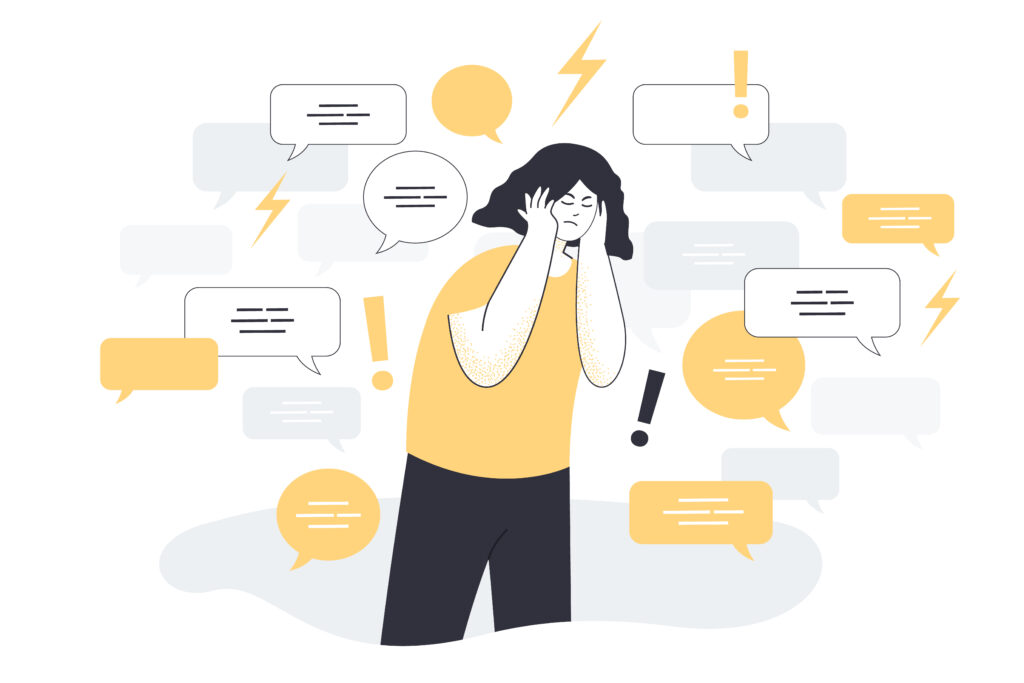

Imagine yourself walking down the street and your heart starts to beat. You feel your chest tighten, the world spinning, and a sense of overwhelming doom wash over you. Millions of people with panic disorder experience this terrifying feeling.
Panic disorder is characterized by repeated episodes of fear that are unpredictable and unpredictable. These attacks are unpredictable, and can make people feel completely out of control.
This article will explain what panic disorder is, and how it differs from everyday stress. We will examine the physical and mental symptoms that accompany panic attacks, and how they affect daily life. Discover the best psychiatric treatment available in California and why it is important to seek professional help.
What is Panic Disorder?
Everybody feels nervous before a big medical test or presentation. Anxiety is the normal biological reaction to a perceived danger. Panic disorder is a type of anxiety disorder that causes sudden and repeated panic episodes.
These attacks can occur without any obvious trigger or danger. The person who suffers from panic disorder is constantly afraid of another attack. This anxiety is called anticipatory fear, and it can completely change how someone navigates through their day.
When the body’s “fight-or-flight” response is misfired, it floods the system with adrenaline even though there is no real threat to fight against or run from. Understanding the biological error helps to remove the stigma attached to the condition. This proves panic disorder to be a real medical condition, and not a sign that you are weak.
Panic: The Biological Mechanisms of Panic
We must examine what goes on inside the brain to understand panic disorder. The amygdala is a small almond-shaped brain structure that acts as the body’s alarm. It sends a distress message to the hypothalamus when it detects danger.
The adrenal glands are then triggered to release massive amounts of adrenaline in your bloodstream. This adrenaline rush prepares your body for an attack. You will feel your heart beating faster as it pumps more blood into your muscles and your breathing speeding up to take in oxygen.
This alarm system will sound even when the person is perfectly safe. The brain interprets harmless sensations as life-threatening. The fear of physical symptoms can cause more adrenaline release, which intensifies the panic attack.
Understanding the Signs and Symptoms of Panic Attack
The intensity of panic attacks can reach its peak in ten minutes, leaving the victim feeling exhausted. People often mistakenly believe that they are experiencing a heart attack or stroke because the symptoms are so severe. People who have their first panic attack are more likely to visit the emergency room.
The Physical Toll
Physical manifestations of panic attacks are extreme and unmistakable. Palpitations is a condition where your heart beats violently against your ribs. You might feel like you’re suffocating, trembling uncontrollably or sweating profusely.
The panic is made worse by shortness of breath, choking sensations and other symptoms. Other signs of panic include dizziness, nausea, chills or hot flashes. Many people experience a numbness or tingling in their feet, hands, or faces during an episode.
Torment Psychological
Mental torment is as crippling as physical pain during an attack. You may feel a deep fear of “going insane” or losing control. Many people experience an overwhelming, intense fear of death in the moment.
It is common to experience derealization, the feeling that you are not in reality. Depersonalization is another common symptom, in which you may feel detached from your body. These psychological symptoms can make physical sensations seem more dangerous and confusing.
Hidden Impact of Daily Life
The effects of a panic disorder last far longer than the few minutes that it lasts. The quality of a person’s life is severely affected by panic disorder. People’s constant fear of another attack causes them to drastically alter their routines and behaviors.
Many people develop agoraphobia. This is the fear of situations or places that could cause panic, helplessness or embarrassment. You may stop driving on highways or avoid crowded areas like supermarkets. Or you might refuse to leave the house. This avoidance behavior narrows your world, and isolates you deeply from family and friends.
Constant anxiety can also have a negative impact on your personal and professional life. Concentration is difficult and this can lead to a dramatic drop in performance at work or school. The disorder can strain relationships, because loved ones struggle to understand your invisible battle every day.
How to support someone who is having a panic attack
Your reaction when you see a family member or friend having a panic disorder can have a big impact. You must remain calm. You can help the person who is experiencing intense fear by being calm.
As their brain cannot process complex information, they speak in simple, short sentences. Remind them they are safe, and that this feeling will pass. Telling them to “calm down” can invalidate their experience and increase their stress.
Offer to help the person focus on their breathing. Together, you can inhale slowly for 4 seconds and then exhale for 4 seconds. You can ask them if you want to go to a quieter place, but don’t force them to leave if that is what they prefer.
It is important to seek professional help
It is not possible to simply walk away from panic disorder. It is difficult to overcome because it is a complex condition that involves both biological and psychological elements. It’s good to know that panic disorder can be treated.
Cognitive Behavioral Therapy is a treatment that mental health professionals use to treat panic attacks. CBT helps you learn new ways to think, behave, and respond to intense feelings during panic attacks. You can learn to identify and change thought patterns that cause anxiety.
The right medication can play an important role in your recovery. Psychiatrists prescribe anti-anxiety drugs or selective serotonin reuptake inhibitors (SSRIs), to balance the brain chemistry. Combining targeted medication with customized therapy often produces the best and most lasting results.
Orange Coast Psychiatry – California’s Best care
The most important part of your recovery is finding the right team. Orange Coast Psychiatry is proud to be the top psychiatric center in California. Their comprehensive psychiatric service provides exceptional mental health support for individuals of all ages.
The team of psychiatrists and therapists at this clinic are highly-trained professionals who understand the terror of panic disorder. Each patient is closely worked with to create a customized treatment plan addressing their symptoms, triggers and daily challenges. Orange Coast Psychiatry is committed to empowering their patients by giving them the tools necessary to overcome anxiety.
They offer their services at three convenient locations in Southern California to make their care accessible to everyone.
- Anaheim
- Irvine
- Los Angeles
The clinics are strategically located to make it convenient for residents to receive top-tier mental healthcare without having to travel far.
Start the Relief Process
You don’t have to face this battle alone. Understanding what causes panic attacks is a crucial step towards healing and regaining your peace of mind. It can be a great relief to realize that your symptoms may be part of a medical condition.
Please seek immediate help if you or a loved one is suffering from the physical and emotional distress caused by panic disorder. Reaching out to mental health professionals is a brave act that can transform your life.
Orange Coast Psychiatry has offices in Anaheim, Irvine and Los Angeles. Contact us today. Their dedicated team can help you navigate through your treatment options, and guide you to a life of joy free from fear.