
Muscle stiffness, chronic pain, and limited mobility are common problems that many people experience in their daily lives. These issues may occur due to poor posture, injuries, repetitive strain, or prolonged stress on the body. While traditional treatments often focus on muscles or joints, many modern physiotherapy techniques target another important structure in the body—the fascia.
One effective technique used by physiotherapists is myofascial release therapy, a hands-on treatment designed to reduce pain and restore movement by releasing tension in the fascia. If you are experiencing persistent muscle tightness or unexplained pain, understanding how myofascial release in Seawoods works can help you decide whether this therapy is right for you.
In this guide, we will explore what myofascial release therapy is, how it works, its benefits, conditions it can treat, and what patients can expect during treatment.
Understanding Fascia and Its Role in the Body
To understand myofascial release therapy, it is important to first understand fascia.
Fascia is a thin, strong connective tissue that surrounds and supports muscles, bones, nerves, and organs throughout the body. It acts like a web that connects different structures and helps maintain stability and movement.
In a healthy body, fascia is flexible and allows muscles to move smoothly. However, due to factors such as injury, inflammation, stress, or poor posture, the fascia can become tight and restricted. When this happens, it may cause:
- Muscle stiffness
- Pain in specific areas of the body
- Reduced flexibility
- Limited joint mobility
- Trigger points or tender spots
These restrictions can create discomfort and interfere with normal movement patterns. Myofascial release therapy focuses on releasing these tight areas and restoring the natural flexibility of the fascia.
What Is Myofascial Release Therapy?
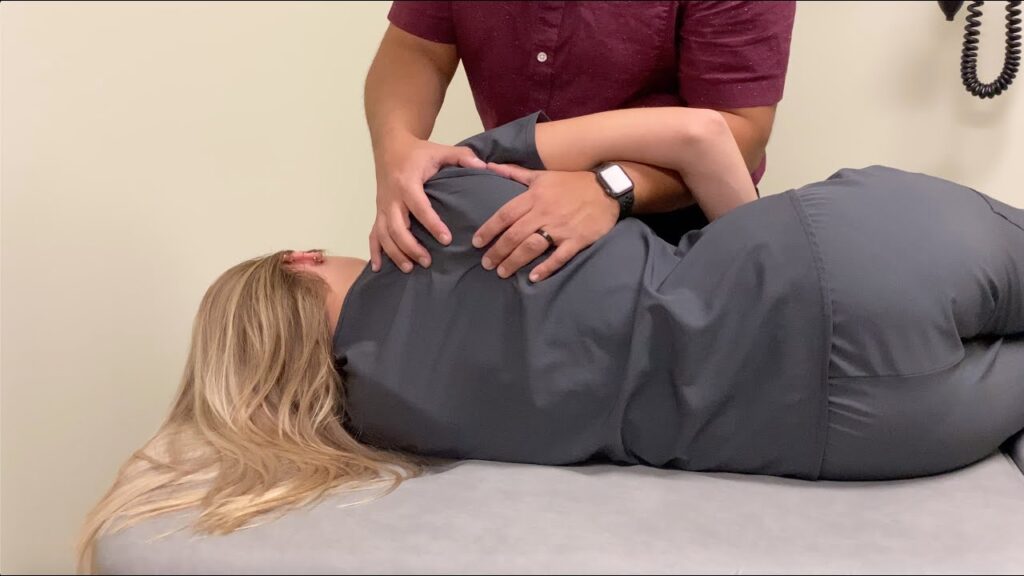
Myofascial release therapy is a specialized hands-on physiotherapy technique used to relieve tension and restrictions in the fascia. During treatment, a physiotherapist applies gentle, sustained pressure to tight areas in order to release fascial restrictions.
Unlike traditional massage therapy, which usually focuses on muscles, myofascial release targets the connective tissue surrounding the muscles. The therapist carefully identifies areas where fascia has become tight and applies slow, controlled pressure to help it relax and return to its normal state.
Many patients seeking myofascial release therapy in Seawoods benefit from this treatment because it addresses the root cause of pain rather than simply masking symptoms.
How Myofascial Release Therapy Works
The main goal of myofascial release therapy is to reduce tension in the fascia and restore proper movement.
When fascia becomes restricted, it can place pressure on muscles, nerves, and joints. This pressure can lead to pain and limited movement. By applying gentle stretching and sustained pressure, a physiotherapist helps the fascia loosen and regain flexibility.
During therapy, the following processes occur:
- Identification of restricted areas
The physiotherapist evaluates the body to locate areas where fascia is tight or restricted. - Application of gentle pressure
Sustained pressure is applied using hands, fingers, or forearms to release tension. - Stretching of the fascial tissue
The tissue gradually lengthens and relaxes, improving flexibility. - Restoration of normal movement
Once the fascia is released, muscles and joints can move more freely.
This slow and controlled technique is why many patients report long-lasting results after receiving myofascial release in Seawoods as part of their physiotherapy treatment.
Conditions Treated with Myofascial Release Therapy
Myofascial release therapy can help treat a wide range of musculoskeletal conditions. It is particularly effective for patients experiencing chronic pain or muscle tightness that does not improve with rest alone.
Common conditions treated with myofascial release therapy include:
Chronic Neck and Shoulder Pain
Prolonged sitting, computer work, and poor posture often lead to tight fascia in the neck and shoulders. Releasing these restrictions can help reduce pain and improve mobility.
Lower Back Pain
Fascial restrictions in the lower back can contribute to stiffness and discomfort. Myofascial release therapy can help restore flexibility and reduce pressure on surrounding muscles.
Sports Injuries
Athletes often experience muscle tightness due to repetitive movements. Myofascial release can support faster recovery and prevent further injury.
Frozen Shoulder
Tight fascia around the shoulder joint can limit movement and cause significant pain. Releasing the fascia may help improve range of motion.
Postural Problems
Poor posture can create tension throughout the body. Myofascial release therapy helps correct these imbalances.
Headaches and Migraines
Tension in the neck and upper back fascia may contribute to certain types of headaches. Releasing these areas can reduce discomfort.
Benefits of Myofascial Release Therapy
Many patients choose myofascial release therapy in Seawoods because it offers several important benefits for both pain relief and overall physical health.
1. Reduces Chronic Pain
One of the biggest advantages of this therapy is its ability to reduce persistent muscle pain caused by fascial restrictions.
2. Improves Flexibility
By releasing tight fascia, the therapy helps muscles move more freely, improving flexibility and range of motion.
3. Enhances Blood Circulation
Releasing tension in the connective tissue allows better blood flow, which supports healing and recovery.
4. Improves Posture
Fascial tightness can pull the body out of alignment. Myofascial release helps correct these imbalances.
5. Supports Injury Rehabilitation
Many physiotherapists include this therapy as part of rehabilitation programs for sports injuries or post-surgical recovery.
What to Expect During a Myofascial Release Therapy Session
Patients visiting a physiotherapy clinic in Seawoods for myofascial release therapy typically undergo a structured treatment process designed to address their specific condition.
Initial Assessment
The session usually begins with a detailed evaluation of your symptoms, posture, and movement patterns. The physiotherapist identifies areas of fascial restriction.
Hands-On Treatment
During treatment, gentle pressure is applied to specific areas of tight fascia. Unlike traditional massage, the pressure is slow and sustained to allow the fascia to release naturally.
Stretching and Movement
The therapist may guide you through gentle stretches or exercises to improve flexibility and support recovery.
Post-Treatment Advice
Patients may also receive posture guidance, strengthening exercises, and lifestyle recommendations to maintain results.
Sessions typically last between 30 and 60 minutes, depending on the condition being treated.
Who Can Benefit from Myofascial Release Therapy?
This therapy can benefit people of all ages, especially those who experience:
- Chronic muscle pain
- Stiffness and limited mobility
- Sports injuries
- Postural issues
- Stress-related muscle tension
- Recovery after surgery
Many office workers, athletes, and individuals with sedentary lifestyles find relief through myofascial release in Seawoods as part of a comprehensive physiotherapy plan.
Is Myofascial Release Therapy Safe?
Myofascial release therapy is generally considered a safe and non-invasive treatment when performed by a trained physiotherapist.
The technique uses gentle pressure rather than aggressive manipulation, making it suitable for most patients. However, it is important to consult a qualified physiotherapist before starting treatment, especially if you have:
- Severe injuries
- Infections
- Recent surgeries
- Certain medical conditions
A professional physiotherapist will assess your condition and determine whether this therapy is appropriate for you.
How Many Sessions Are Needed?
The number of sessions required depends on several factors, including:
- Severity of the condition
- Duration of symptoms
- Overall physical health
- Treatment goals
Some patients experience improvement after just a few sessions, while others may require a longer treatment plan for chronic conditions. Your physiotherapist will create a personalized therapy program based on your needs.
Final Thoughts
Myofascial release therapy is a powerful physiotherapy technique that focuses on relieving tension in the fascia—the connective tissue that supports the entire body. By addressing fascial restrictions, this therapy helps reduce pain, improve mobility, and restore normal movement patterns.
Patients dealing with chronic muscle stiffness, sports injuries, or postural issues may find significant relief through myofascial release therapy in Seawoods. This gentle, hands-on approach not only treats symptoms but also targets the underlying cause of discomfort.
If you are struggling with persistent muscle pain or limited movement, visiting a trusted physiotherapy clinic in Seawoods can help you explore whether myofascial release therapy is the right solution for your condition. With proper assessment and personalized treatment, you can regain comfort, improve flexibility, and return to your daily activities with greater ease.
Source: What Is Myofascial Release Therapy? A Complete Guide