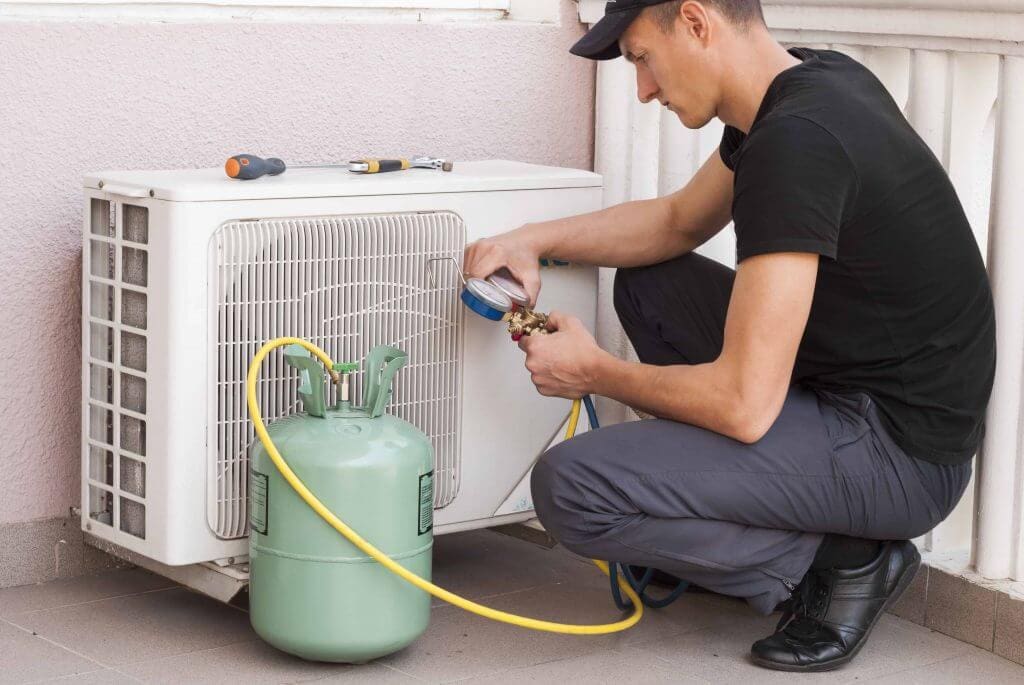

When your AC stops blowing cool air, one of the first questions that comes to mind is, “Do I need more Freon?” But before jumping to solutions, it helps to truly understand what Freon is, how it works, and why it plays such a vital role in your air conditioner, refrigerator, and other cooling systems.
In this guide, we break it down in simple, human-friendly language so anyone—homeowners, renters, and even curious DIYers—can understand the basics. If your goal is to learn how Freon affects cooling performance, energy efficiency, and long-term system health, you’re in the right place.
What Is Freon? (Simple Definition)
Freon is a type of refrigerant gas used in air conditioners, refrigerators, freezers, and heat pumps. Its main job is to absorb heat indoors and release it outdoors, allowing your AC or fridge to create cool, comfortable air.
If you’re wondering, “What is Freon in the simplest terms?”—it’s often described as the lifeblood of your cooling system. Without it, your AC can run all day and still only push out warm air.
It’s important to know that “Freon” isn’t just one substance. It’s actually a brand name for a family of refrigerants, including:
-
R-22 Freon – common in older systems, now being phased out
-
R-410A – a newer, more eco-friendly refrigerant still in use today
Even though the industry uses many refrigerants today, people still refer to them generically as Freon.
If you’d like a deeper technical breakdown, check out this helpful guide:
Use “[Your chosen anchor text]” to link to “[Your page URL]”.
How Freon Works Inside Your AC System
Freon moves inside your AC in a closed loop, constantly cycling to move heat from one place to another. Here’s an easy step-by-step breakdown of what happens behind the scenes:
1. Compression
The refrigerant starts as a low-pressure gas and is compressed by the AC’s compressor. This raises its temperature and pressure.
2. Condensation
The hot, pressurized gas flows through the outdoor coil and releases heat outside. As the heat escapes, the gas turns into a liquid.
3. Expansion
Next, the liquid refrigerant passes through an expansion valve, where it rapidly expands and cools.
4. Evaporation
The cold, expanded refrigerant runs through the indoor evaporator coil. Here, it absorbs heat from inside your home. The air blowing across the coil becomes cool—and that cool air fills your rooms.
This cycle repeats continuously. That’s why Freon is so critical. Without it, the cooling process literally cannot happen.
Why Is Freon Important for Cooling Systems?
Freon plays several key roles that keep your home safe, cool, and energy-efficient.
1. It Creates Cool Air
Freon is responsible for the actual cooling process. Without the refrigerant, your AC becomes nothing more than a fan.
2. It Reduces Indoor Humidity
When Freon absorbs heat, it also removes moisture from the air. This helps control humidity on hot, sticky days.
3. It Keeps Food Fresh in Refrigerators
Refrigerators use Freon to pull heat out of the compartment, keeping food cold and preventing spoilage.
4. It Helps Maintain Energy Efficiency
When refrigerant levels drop (usually due to a leak), your system has to work twice as hard—leading to higher energy bills and faster wear-and-tear.
Signs Your System May Be Low on Freon
Freon doesn’t get “used up.” It doesn’t run out unless there’s a leak. If your AC seems off, here are some common signs you may have a refrigerant issue:
-
Warm or mildly cool air blowing from vents
-
AC running for unusually long periods
-
Higher energy bills
-
Ice forming on refrigerant lines or coils
-
Hissing or bubbling noises (a major leak warning)
If you notice any of these symptoms, schedule a professional inspection immediately. Leaking refrigerant can damage your system and harm the environment.
Can You Refill Freon Yourself? (Short Answer: No)
Unless you have EPA certification, you cannot legally refill Freon on your own. Handling refrigerants without proper training is unsafe and illegal.
A licensed HVAC technician will:
-
Identify and repair leaks
-
Recharge the system with the correct refrigerant
-
Test system pressure
-
Ensure safe, efficient operation
Attempting a Freon recharge yourself can result in injury, environmental damage, or permanent AC failure.
The Future of Freon: What Homeowners Should Know
Older systems that use R-22 Freon are becoming more expensive to maintain. Since R-22 harms the ozone layer, it has been completely phased out in the U.S. since 2020.
Here’s what this means:
-
You can still operate your R-22 system
-
You cannot buy a new R-22 AC unit
-
Refill costs continue to rise because supply is limited
If your system uses R-22 and requires frequent repairs, upgrading to a new R-410A or eco-friendly refrigerant system will save you money and improve cooling performance.
How to Maintain Proper Freon Levels
Proper refrigerant levels ensure energy efficiency, long system life, and consistent cooling. Here’s how to keep things running smoothly:
1. Get Annual HVAC Maintenance
A professional tune-up catches early signs of leaks or inefficiency.
2. Change AC Filters Regularly
Dirty filters strain your system and can trigger refrigerant problems.
3. Pay Attention to Cooling Performance
Weak airflow or warm air is often the first sign of an issue.
4. Call a Professional When in Doubt
Freon issues never fix themselves. Quick action prevents bigger repairs later.
Conclusion: Now You Know What Freon Is—and Why It Matters
So, what is Freon? Put simply, it’s the essential refrigerant that allows your AC and refrigerator to work. Without it, cooling becomes impossible.
If your system is blowing warm air or showing signs of low refrigerant, don’t wait—refrigerant leaks can cause costly damage.
For reliable cooling support, professional inspections, or a Freon refill, Old School Cooling is here to help keep your home comfortable year-round.
Call to Action
Need a Freon check, AC repair, or full system inspection?
Contact Old School Cooling today and stay cool no matter how hot it gets.