
Muscle pain, stiffness, and limited mobility are common issues faced by people of all age groups today. Whether caused by poor posture, injuries, or repetitive strain, these problems can significantly impact daily life. One effective and increasingly popular treatment for such conditions is dry needling therapy.
Many individuals are now exploring dry needling in Seawoods as a safe and result-oriented approach to relieve pain and restore movement. This modern therapeutic technique is widely used by trained professionals to target muscle knots and improve overall function.
What Is Dry Needling Therapy?
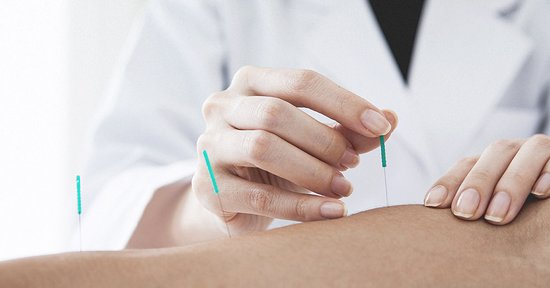
Dry needling therapy is a specialized treatment technique used by physiotherapists to relieve muscle pain and tension. It involves inserting thin, sterile needles into specific trigger points within the muscles.
These trigger points are tight bands or knots in the muscle that can cause pain, stiffness, and restricted movement. By targeting these areas, dry needling helps release tension, improve blood flow, and promote healing.
Unlike acupuncture, which is based on traditional Chinese medicine, dry needling is rooted in modern medical science and focuses on musculoskeletal conditions.
How Does Dry Needling Therapy Work?
Dry needling works by stimulating the affected muscles and triggering a natural healing response in the body. When the needle is inserted into a trigger point:
- The muscle contracts briefly (known as a twitch response)
- Tension in the muscle is released
- Blood circulation improves in the targeted area
- Pain signals are reduced
This process helps in relaxing tight muscles and restoring normal function. Many patients who opt for dry needling therapy in Seawoods experience noticeable relief even after a few sessions.
The Process of Dry Needling Therapy
Understanding the procedure can help you feel more comfortable before your first session.
1. Initial Assessment
The therapist evaluates your condition, identifies pain points, and understands your medical history.
2. Identifying Trigger Points
Specific areas of muscle tightness are located through physical examination.
3. Needle Insertion
Fine, sterile needles are inserted into the trigger points. The depth and duration depend on the severity of the condition.
4. Muscle Response
You may feel a slight twitch or mild discomfort, which is a normal response and indicates that the muscle is reacting.
5. Post-Treatment Care
The therapist may recommend stretching, hydration, and rest to enhance recovery.
Choosing professional dry needling in Seawoods ensures that the procedure is performed safely and effectively.
Benefits of Dry Needling Therapy
Dry needling therapy offers a wide range of benefits for individuals dealing with pain and mobility issues.
1. Effective Pain Relief
One of the main advantages of dry needling is its ability to reduce both acute and chronic pain by targeting the root cause.
2. Improved Muscle Function
Releasing trigger points helps muscles function more efficiently and reduces stiffness.
3. Faster Recovery
Dry needling accelerates healing by improving blood circulation and reducing inflammation.
4. Enhanced Mobility
It helps restore range of motion, making it easier to perform daily activities.
5. Reduced Muscle Tension
Tight muscles are relaxed, leading to improved comfort and flexibility.
6. Complements Physiotherapy
Dry needling is often combined with other physiotherapy techniques for better results.
Conditions Treated with Dry Needling Therapy
Dry needling therapy is effective for a variety of conditions, including:
- Back and neck pain
- Shoulder pain
- Sports injuries
- Muscle spasms
- Joint pain
- Headaches caused by muscle tension
If you are experiencing any of these issues, visiting a physiotherapy clinic in Seawoods can help you receive a comprehensive treatment plan that includes dry needling therapy.
Is Dry Needling Therapy Safe?
Dry needling is generally safe when performed by trained and certified professionals. However, certain precautions should be taken:
- Always consult a qualified therapist
- Inform your therapist about any medical conditions
- Avoid treatment if you have infections or skin issues in the area
- Follow aftercare instructions carefully
Mild soreness or redness may occur after the session, but it usually subsides within a day or two.
Dry Needling Therapy vs Acupuncture
Although both therapies use needles, they are different in approach and purpose.
- Dry Needling: Focuses on muscle trigger points and pain relief
- Acupuncture: Based on energy flow and traditional Chinese medicine
Dry needling is more commonly used in physiotherapy settings to treat musculoskeletal issues.
What to Expect After a Session
After a dry needling session, you may experience:
- Immediate relief in pain
- Mild soreness similar to post-exercise discomfort
- Improved movement and flexibility
To enhance the results:
- Stay hydrated
- Perform recommended stretches
- Avoid strenuous activities for a short period
Regular sessions of dry needling therapy in Seawoods can provide long-lasting benefits.
Who Can Benefit from Dry Needling Therapy?
Dry needling is suitable for:
- Individuals with chronic pain
- Athletes recovering from injuries
- People with muscle tightness or stiffness
- Individuals with poor posture
- Office workers experiencing neck and back pain
It is a versatile treatment that can be adapted to different needs.
Why Choose Professional Dry Needling Therapy?
While the technique may seem simple, it requires expertise and precision. Professional treatment ensures:
- Accurate identification of trigger points
- Safe needle insertion
- Effective results
- Minimal risk of complications
Choosing experienced practitioners for dry needling in Seawoods ensures a safe and comfortable experience.
Combining Dry Needling with Physiotherapy
Dry needling is most effective when combined with physiotherapy treatments such as:
- Exercise therapy
- Manual therapy
- Postural correction
- Strengthening exercises
This integrated approach addresses both the symptoms and the underlying causes of pain, leading to better outcomes.
Final Thoughts
Dry needling therapy is a powerful and effective technique for managing pain, improving mobility, and enhancing overall physical health. With its ability to target muscle trigger points and promote natural healing, it has become a preferred choice for many individuals seeking non-invasive treatment options.
If you are struggling with persistent pain or muscle stiffness, exploring dry needling therapy in Seawoods can be a step toward recovery. For the best results, it is important to seek treatment from a trusted physiotherapy clinic in Seawoods, where experienced professionals can provide personalized care and guide you throughout your healing journey.
FAQs
1. Is dry needling therapy painful?
You may feel slight discomfort or a twitch response during the procedure, but it is generally well-tolerated and quick.
2. How many sessions of dry needling are required?
The number of sessions depends on your condition, severity, and response to treatment.
3. Is dry needling therapy safe?
Yes, it is safe when performed by trained and certified physiotherapists.
4. Can dry needling help with chronic pain?
Yes, it is highly effective in managing chronic pain by targeting trigger points and improving muscle function.
5. What should I do after a dry needling session?
Stay hydrated, perform recommended stretches, and avoid intense physical activity for a short period.
Source: What Is Dry Needling Therapy? Benefits, Process, and How It Works