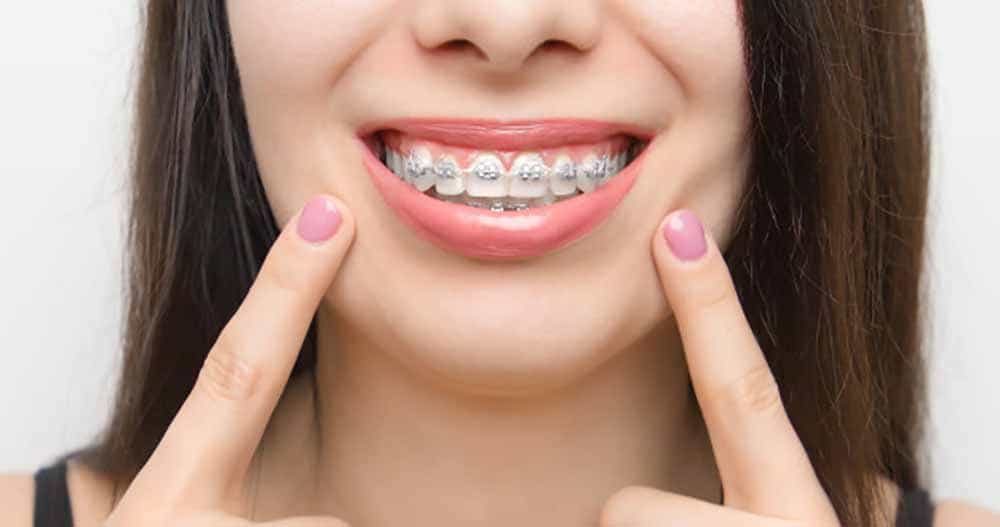

Braces treatment is often associated with the final result—a straight, confident smile. But for many patients, especially those starting orthodontic care for the first time, curiosity often revolves around the journey itself. What changes first once braces are placed? Do teeth move immediately? Does the bite correct itself before the smile looks different? Or does face shape start changing early in the process?
Understanding how orthodontic changes happen can ease anxiety and help patients set realistic expectations. Braces work in a planned, biological sequence, and each stage plays an important role in achieving stable, long-lasting results.
For patients considering braces treatment in Madhapur, knowing the order in which teeth, bite, and facial appearance change can help make the experience more comfortable and predictable.
How Braces Work: The Science Behind the Movement
Braces apply controlled, gentle pressure to teeth. This pressure stimulates the surrounding bone to remodel—breaking down on one side of the tooth and rebuilding on the other. This biological process allows teeth to move gradually into better positions without harming the jawbone or surrounding tissues.
Because this movement is slow and deliberate, changes don’t happen all at once. Orthodontic treatment follows a sequence that prioritises health and stability over speed.
What Changes First: Teeth Alignment
The first noticeable change during braces treatment is usually in the teeth themselves. In the early weeks, patients often notice that crowded or rotated teeth begin to straighten slightly. Gaps may open or close as space is created for proper alignment.
This stage focuses on:
-
Correcting crowding
-
Rotating misaligned teeth
-
Leveling uneven teeth
-
Creating space for proper positioning
Although these early changes may feel subtle, they are essential for preparing the mouth for later bite correction.
Why Teeth Move Before the Bite
Correcting tooth alignment first allows orthodontists to position each tooth in its ideal location within the dental arch. Without this step, bite correction would be unstable and incomplete.
At this stage, patients may experience:
-
Mild soreness or pressure
-
A feeling that teeth are “loose” (which is normal)
-
Temporary gaps between teeth
These sensations usually settle within a few days as the mouth adapts.
Bite Correction Comes Next
Once the teeth begin to align, bite changes start to become noticeable. Bite refers to how the upper and lower teeth come together when the mouth closes. Common bite problems include overbite, underbite, crossbite, and open bite.
Bite correction typically begins after initial alignment because:
-
Teeth must be in correct positions to fit together properly
-
Balanced pressure prevents uneven wear
-
Jaw function improves gradually
During this phase, orthodontic elastics or additional adjustments may be introduced to guide the bite into its ideal relationship.
How Bite Changes Affect Daily Function
As the bite begins to improve, patients may notice:
-
Better chewing efficiency
-
Reduced jaw strain
-
Improved speech clarity
-
Less pressure on certain teeth
Some patients experience temporary changes in chewing or speech, but these usually resolve as the bite stabilises.
When Does Face Shape Start to Change?
One of the most common questions patients ask is whether braces change face shape. The answer is yes—but facial changes occur later and are usually subtle.
Face shape changes are not caused by braces directly altering bones. Instead, they result from:
-
Improved tooth positioning
-
Better jaw alignment
-
Balanced muscle function
-
Proper lip and cheek support
These changes typically become noticeable after significant tooth and bite correction has already taken place.
Why Face Shape Changes Are Gradual
Facial muscles adapt slowly as teeth and bite move into healthier positions. Over time, this can lead to:
-
Improved jaw symmetry
-
More balanced facial proportions
-
Reduced strain around the mouth and jaw
-
Enhanced smile aesthetics
These changes are often seen toward the middle or end of treatment rather than at the beginning.
Does Everyone Experience Facial Changes?
Not all patients will notice visible facial changes. Factors that influence this include:
-
Severity of misalignment
-
Age of the patient
-
Type of bite problem
-
Treatment approach
For patients with significant bite issues, facial changes may be more noticeable. For others, the improvements are subtle but still contribute to overall harmony.
Timeline of Changes During Braces Treatment
While every case is unique, a general timeline looks like this:
First 1–3 Months:
-
Initial tooth movement
-
Reduction in crowding or rotation
-
Mild discomfort
3–9 Months:
-
Continued alignment
-
Bite correction begins
-
Improved chewing and comfort
9–18 Months:
-
Bite stabilisation
-
Facial balance improvements
-
Final refinements
This gradual progression ensures safe and predictable results.
Common Myths About Early Changes With Braces
Myth 1: Face shape changes immediately
In reality, facial changes take time and depend on bite correction.
Myth 2: Teeth straighten before pain stops
Discomfort usually reduces quickly as the mouth adapts.
Myth 3: Bite correction happens last
Bite changes often start midway through treatment.
Understanding these myths helps patients stay patient and confident throughout the process.
Importance of Professional Monitoring
Regular orthodontic visits are essential to guide each phase correctly. Adjustments ensure teeth move at the right pace and bite correction progresses smoothly.
Srishti Dental focuses on careful planning and consistent monitoring to ensure braces treatment progresses safely, efficiently, and comfortably for each patient.
What Patients Can Do to Support Changes
Patients play a key role in treatment success by:
-
Following orthodontic instructions
-
Wearing elastics as advised
-
Maintaining excellent oral hygiene
-
Avoiding foods that damage braces
-
Attending scheduled appointments
Consistency helps each stage progress as planned.
Life After Braces: Maintaining the Results
Once braces are removed, retainers are used to maintain alignment. Retainers prevent teeth from shifting back and protect the improvements achieved during treatment.
Long-term success depends on:
-
Retainer compliance
-
Regular dental check-ups
-
Good oral hygiene
Final Thoughts
During braces treatment, teeth alignment changes first, followed by bite correction, and finally subtle improvements in facial appearance. This sequence is intentional and necessary for stable, healthy results.
Understanding this progression helps patients set realistic expectations and appreciate each stage of their orthodontic journey. With proper care, patience, and professional guidance, braces treatment leads not only to a straighter smile but also to improved function and confidence.