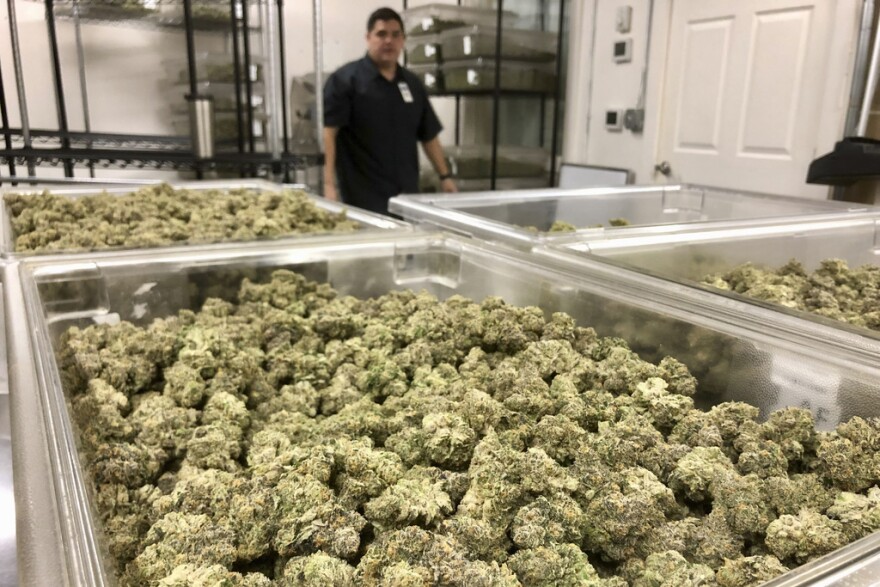

Proper cannabis storage plays a major role in preserving quality, safety, and value. Many users overlook how quickly environmental exposure can damage carefully cured buds. Alot of marijuana buds lose potency, aroma, and texture due to air, light, heat, and moisture imbalance. Safe storage also prevents accidental access by children and pets while supporting responsible handling. A structured storage method ensures cannabis maintains its intended effects and remains fresh for extended periods without unnecessary degradation or waste.
Why Proper Storage Matters
Cannabis contains delicate compounds that respond to environmental changes. Cannabinoids and terpenes gradually degrade when exposed to oxygen, reducing strength and altering aroma. Scientific studies on Tetrahydrocannabinol confirm that heat and light accelerate chemical breakdown. Poor storage may also encourage mold growth, which can present respiratory risks. Maintaining controlled conditions protects potency, preserves flavor complexity, and ensures a safer consumption experience. Proper storage methods allow users to extend shelf life while maintaining consistent quality.
Select an Airtight Glass Container
Choosing the correct container is the foundation of safe marijuana storage. Airtight glass jars are widely recommended because glass does not interfere with chemical composition or aroma. Plastic containers may create static electricity that damages delicate trichomes, while certain metals can influence flavor. A tight-sealing lid significantly reduces oxygen exposure and slows oxidation. Containers designed specifically for cannabis provide additional durability and reliability, helping preserve freshness over weeks or even months of storage.
Maintain Ideal Temperature Conditions
Stable temperature control directly affects cannabinoid preservation. Excessive heat dries buds and weakens potency, while extremely cold environments make trichomes brittle. A consistent range between 60 and 70 degrees Fahrenheit supports chemical stability without causing structural damage. Storage near ovens, heaters, or electronics increases temperature fluctuation and accelerates degradation. A cool interior cabinet or drawer away from direct heat sources provides reliable protection and helps maintain consistent potency over time.
Regulate Humidity Levels Carefully
Humidity balance determines texture, aroma, and safety. Cannabis stored above 65 percent relative humidity becomes vulnerable to mold contamination. Certain molds linked to Aspergillosis may pose health risks for individuals with respiratory sensitivity. Excessively dry conditions, on the other hand, cause brittle buds and terpene loss. Maintaining humidity between 55 and 62 percent creates optimal stability. Specialized humidity control packs simplify regulation and provide consistent internal moisture balance inside sealed containers.
Protect Cannabis from Light Exposure
Light exposure gradually weakens cannabinoids and terpenes. Ultraviolet rays break down chemical structures and reduce overall potency. Clear containers placed near windows allow continuous light exposure that accelerates degradation. Dark storage areas such as cabinets, drawers, or lockboxes provide stronger protection. Tinted or opaque glass containers further reduce UV penetration. Shielding cannabis from consistent light ensures preservation of both strength and aromatic complexity for long-term quality maintenance.
Limit Oxygen Contact During Storage
Oxygen contributes to slow cannabinoid breakdown through oxidation. Frequent opening of storage containers increases air exposure and reduces freshness over time. Minimizing unnecessary handling protects both aroma and potency. Airtight seals significantly reduce internal oxygen exchange. Vacuum sealing may be useful for extended storage, though buds should not be compressed tightly to prevent structural damage. Controlled air exposure ensures cannabis maintains its chemical integrity while preserving its original profile.
Keep Cannabis Safely Out of the Reach of Kids and Pets
Responsible cannabis storage includes strict safety precautions. Edible products often resemble ordinary snacks and may attract curiosity from children. Secure lockable containers reduce accidental ingestion risks. Placement in elevated cabinets or secured storage boxes adds another layer of protection. Clear labeling and separation from food items prevent confusion. Safe storage practices support responsible ownership while protecting household members from unintended exposure and potential health complications.
Recognize and abide by local laws
Cannabis storage laws vary across regions, and compliance protects users from legal consequences. Certain jurisdictions require child-resistant packaging or limit possession quantities inside a residence. Understanding regional regulations ensures lawful handling and avoids penalties. Responsible storage demonstrates awareness and accountability. Staying informed about local requirements supports safe practices and helps maintain personal privacy and community responsibility.
Long-Term Storage Options
- Use airtight glass jars combined with humidity control packs for stability.
- Store containers in cool, dark cabinets away from heat sources.
- Reduce frequent opening to limit oxygen exposure.
- Consider vacuum sealing for extended preservation without crushing buds.
Long-term storage requires consistency and monitoring. Checking humidity periodically ensures optimal conditions remain intact. Proper sealing and controlled placement extend shelf life significantly without sacrificing potency or aroma.
Common Mistakes to Avoid
Improper storage practices often reduce cannabis quality quickly. Refrigerators introduce moisture fluctuations that encourage mold growth. Freezers may damage trichomes and alter texture. Leaving cannabis in plastic bags increases static buildup and oxygen exposure. Storing near sunlight or warm electronics accelerates chemical breakdown. Ignoring humidity levels results in either dryness or contamination. Avoiding these mistakes preserves both value and safety while maintaining optimal freshness for extended use.
Conclusion
Storing marijuana safely requires attention to temperature, humidity, light exposure, and oxygen control. Airtight glass containers, dark environments, and humidity regulation work together to protect cannabinoids and terpenes. Secure placement ensures children and pets remain safe from accidental access. Legal awareness strengthens responsible handling practices. A disciplined storage approach maintains potency, aroma, and structural integrity while extending shelf life. Careful preservation ultimately protects both product quality and household safety.
FAQs
1. What is the best way to store marijuana at home?
Airtight glass jars stored in a cool, dark location with humidity control packs provide the most reliable protection against degradation and mold.
2. What temperature keeps cannabis fresh longest?
Maintaining a steady range between 60 and 70 degrees Fahrenheit helps preserve cannabinoids and prevents trichome damage.
3. How do I prevent mold in stored marijuana?
Keeping relative humidity between 55 and 62 percent and using sealed containers significantly reduces mold risk.
4. Can light reduce marijuana potency over time?
Yes, ultraviolet light breaks down cannabinoids and weakens overall strength, making dark storage essential.
5. Is vacuum sealing good for long-term cannabis storage?
Vacuum sealing limits oxygen exposure for extended storage, but careful handling is necessary to avoid crushing delicate buds.