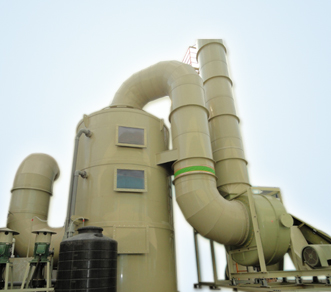

In an era where environmental compliance and sustainability are more than regulatory checkboxes, wet scrubbers have emerged as essential air pollution control systems. With industries across the globe under pressure to reduce harmful emissions, wet scrubbers play a pivotal role in eliminating particulate matter and gaseous pollutants from industrial exhaust streams. At the heart of this transformation are the manufacturers—innovators and solution providers—who design, engineer, and deliver scrubber systems that meet diverse process needs.
This blog explores the role of wet scrubbers manufacturers, the technologies they develop, the industries they serve, and the growing importance of sustainable air pollution control solutions.
What Are Wet Scrubbers and Why Are They Important?
Wet scrubbers are air pollution control devices that remove contaminants from industrial gas streams by bringing polluted air into contact with a liquid—usually water or a chemical solution. Pollutants are absorbed, dissolved, or chemically reacted with the scrubbing liquid, effectively capturing them before release into the atmosphere.
These systems are particularly effective for:
- Particulate matter removal
- Acid gas neutralization
- Vapor and fume control
- Odor mitigation
Industries such as power generation, chemical processing, metal finishing, pharmaceuticals, food processing, and waste treatment rely on wet scrubbers to meet emission standards and protect worker health and the environment.
The Role of Manufacturers in the Wet Scrubber Ecosystem
Wet scrubber manufacturers serve as the backbone of the air pollution control industry. Their work goes beyond producing equipment—they provide engineering expertise, custom solutions, and ongoing support to help facilities meet regulatory requirements while maximizing operational efficiency.
1. Engineering and Customization
Every industrial application presents unique challenges. Factors such as gas composition, temperature, flow rate, and pollutant type dictate the design and configuration of a wet scrubber system. Manufacturers must therefore engineer systems that are tailored to specific process conditions.
Customization aspects include:
- Material selection (e.g., stainless steel, FRP, polypropylene)
- Scrubber type (packed bed, venturi, spray tower, etc.)
- Liquid recirculation and treatment systems
- Automation and control integration
This level of engineering ensures that scrubbers operate efficiently in diverse environments, from corrosive acid gas streams to high-moisture exhausts.
2. Technology Innovation
The air pollution control landscape is evolving, and so is scrubber technology. Manufacturers invest in research and development to enhance efficiency, reduce operating costs, and improve reliability. Innovations include:
- Advanced packing media that increase gas–liquid contact
- Low-energy venturi designs that reduce pressure drop
- Real-time monitoring systems for performance optimization
- Hybrid systems combining wet scrubbers with dry filters or electrostatic precipitators
By adopting cutting-edge technologies, manufacturers help industries stay ahead of stricter emissions standards and sustainability goals.
3. Compliance and Environmental Expertise
Manufacturers are not just equipment suppliers; they are advisors on environmental compliance. Their teams often include environmental engineers and regulatory specialists who understand local and international standards.
This expertise is critical in:
- Conducting emission assessments
- Recommending optimal scrubber configurations
- Ensuring compliance with permits
- Facilitating reporting and documentation
As regulations become more stringent, the ability to provide compliance-focused solutions becomes a key differentiator among manufacturers.
Key Industries Served by Wet Scrubber Manufacturers
Wet scrubber technologies have cross-industry applicability. Some of the major sectors that rely on these systems include:
Industrial Manufacturing
From metal finishing to chemical synthesis, manufacturing processes generate a variety of pollutants. Wet scrubbers are widely used to control acid gases, solvent vapors, and particulates, ensuring safe working environments and regulatory adherence.
Energy and Power Generation
Coal and biomass-fired power plants emit sulfur dioxide (SO₂), nitrogen oxides (NOx), and particulate matter. Wet scrubbers (such as flue gas desulfurization systems) are integrated into plant exhaust systems to control these emissions effectively.
Wastewater Treatment and Odor Control
Facilities treating organic waste streams produce odorous gases like hydrogen sulfide (H₂S). Wet scrubbers neutralize these odorous compounds, improving air quality and community relations.
Food and Beverage Processing
Food production often involves steam, organic particulates, and volatile compounds. Wet scrubbers help maintain hygiene standards and reduce airborne contaminants.
Challenges and Future Trends
While wet scrubber manufacturers have made significant strides, challenges remain:
- High initial investment compared to simpler control systems
- Water usage and effluent management
- System maintenance and corrosion control
To address these challenges, future trends include:
- Water-efficient designs and closed-loop circulation
- Integration with renewable energy systems
- Smart performance analytics using IoT and AI
Manufacturers are increasingly focused on developing greener and more cost-effective solutions, aligning industrial productivity with environmental stewardship.
Conclusion
Wet scrubber manufacturers play a vital role in shaping the future of air pollution control. Through engineering excellence, technological innovation, and environmental expertise, they enable industries to reduce emissions, comply with regulations, and pursue sustainable operations. As environmental priorities continue to rise globally, the demand for advanced wet scrubber solutions—and the manufacturers behind them—will only grow stronger.
Other recommended Link: Bag filter Manufacturers