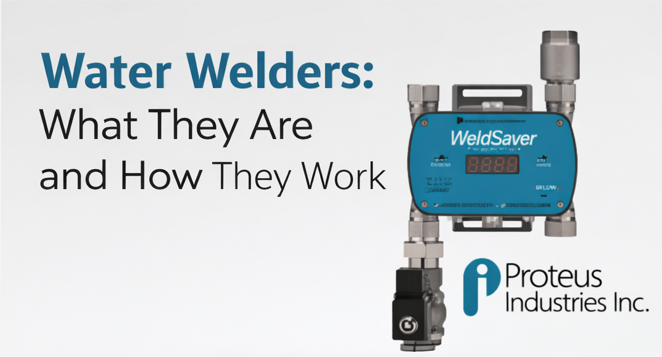

When people hear the term water welders, it often sounds confusing. How can water be used in welding? Isn’t welding all about heat and sparks?
Well, modern technology has made it possible to combine water and welding in smart and efficient ways. Water welders are becoming increasingly popular in industrial applications because they are safe, efficient, and cost-effective.
In this simple and easy-to-understand guide, we’ll explain what water welders are, how they work, their benefits, and where they are used.
What Are Water Welders?
Water welders are specialized systems that use water-based processes to support welding operations. Instead of using only traditional gas or electrical methods, these systems rely on water for cooling, protection, or even assisting in the welding process.
In many industrial setups, water welders are not just tools—they are part of a larger system that ensures smooth and safe welding operations.
In Simple Words
Water welders help control heat, improve safety, and protect equipment during welding.
Why Is Water Used in Welding?
Welding generates a lot of heat. If this heat is not controlled, it can damage equipment or affect the quality of the weld.
This is where water comes in.
Main Reasons Water Is Used
- To cool down equipment
- To prevent overheating
- To protect sensitive parts
- To improve weld quality
Water plays a supporting role that makes the entire process more stable and efficient.
How Do Water Welders Work?
Water welders work by using water in different ways depending on the system. The most common use is in cooling and leak protection systems.
Step-by-Step Working
1. Water Circulation
Water flows through pipes or channels around the welding equipment.
2. Heat Absorption
As welding generates heat, the water absorbs it and keeps the system cool.
3. Monitoring System
Advanced systems monitor water flow to ensure everything is working properly.
4. Leak Detection
If there is any leak or issue, the system detects it instantly.
5. Automatic Shut-Off
In case of a problem, the system can stop water flow to prevent damage.
Types of Water Welders
There are different types of systems that fall under water welding technology.
1. Cooling-Based Systems
These are the most common. They use water to cool welding machines and prevent overheating.
2. Underwater Welding
Used in marine environments, where welding is done directly in water.
3. Leak Detection Systems
These systems monitor water flow and protect equipment from leaks.
Benefits of Water Welders
Water welders offer many advantages, especially in industrial environments.
✅ Better Safety
Water reduces the risk of overheating and accidents.
✅ Improved Equipment Life
Cooling systems help machines last longer.
✅ Higher Efficiency
Stable temperatures improve welding performance.
✅ Cost Saving
Prevents damage and reduces maintenance costs.
✅ Environment Friendly
Water-based systems are safer for the environment.
Where Are Water Welders Used?
Water welders are used in many industries where welding plays a key role.
1. Automotive Industry
Used in car manufacturing for precise and safe welding.
2. Manufacturing Plants
Helps maintain smooth production processes.
3. Aerospace Industry
Ensures high-quality welding for critical parts.
4. Marine Industry
Used for underwater welding and repairs.
5. Electronics Industry
Protects sensitive components from heat damage.
Water Welders vs Traditional Welding
Let’s compare both in simple terms:
| Feature | Water Welders | Traditional Welding |
|---|---|---|
| Heat Control | Excellent | Limited |
| Safety | High | Moderate |
| Equipment Life | Longer | Shorter |
| Efficiency | High | Depends on method |
| Cooling | Built-in | External |
Water welders provide better control and safety, which is why many industries are switching to them.
Are Water Welders Safe?
Yes, water welders are generally very safe when used properly.
Safety Features Include:
- Temperature control
- Leak detection
- Automatic shut-off systems
- Stable operation
However, like any industrial tool, they should always be handled by trained professionals.
Common Myths About Water Welders
❌ Myth 1: Water Cannot Be Used in Welding
✔️ Truth: Water is widely used for cooling and safety.
❌ Myth 2: It Is Dangerous
✔️ Truth: Modern systems are designed with high safety standards.
❌ Myth 3: It Replaces Traditional Welding
✔️ Truth: It supports and improves traditional welding methods.
Tips for Using Water Welders
If you are planning to use water welders, keep these tips in mind:
- Always check the system before use
- Monitor water flow regularly
- Keep equipment clean
- Follow safety guidelines
- Use trained professionals
Future of Water Welding Technology
Water welding technology is growing fast. With new advancements, we can expect:
- Smarter monitoring systems
- Better energy efficiency
- More automation
- Improved safety features
Industries are moving towards smarter and safer solutions, and water welders are a big part of that future.
Final Thoughts
Water welders may sound complex at first, but they are actually simple and very useful. They play an important role in making welding safer, more efficient, and more reliable.
Whether it’s cooling equipment, preventing leaks, or supporting industrial processes, water welders are a smart solution for modern industries.
If you are involved in manufacturing or welding, understanding this technology can help you make better decisions and improve your operations.
Want to improve your welding system with safer and smarter technology?
Explore modern water welding solutions today and take your industrial efficiency to the next level!