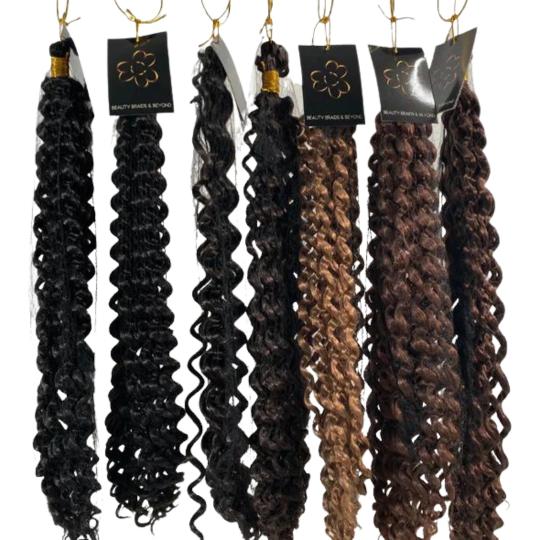

Water wave hair braiding is one of the most sought-after hairstyles today due to its natural wave texture, effortless style, and versatility. This type of hair adds volume, bounce, and soft movement to braids and protective styles while keeping your natural hair safe. In this guide, we’ll explore why water wave hair is perfect for braiding, how to select the best hair, tips for installation, maintenance routines, and popular styling ideas.
Why Water Wave Hair is Ideal for Braiding
Water wave hair is prized for its soft, flowing texture that creates natural-looking braids. It works well with synthetic and human hair and blends easily with different styles and hair types.
Natural Movement
The loose, wavy strands replicate a relaxed, beachy wave, giving braids a flowing, voluminous look. The waves add texture without overwhelming the style or appearing stiff.
Easy Integration with Protective Styles
Water wave hair blends seamlessly into box braids, goddess braids, twists, and crochet braids. Its texture hides knotting points, providing a smooth and polished finish while protecting the natural hair underneath.
Gentle on the Scalp
Because the hair lies lightly against the scalp, it reduces friction and tension. This makes water wave braiding a gentle protective style that minimizes breakage and supports hair health.
How to Choose the Best Water Wave Hair
Selecting high-quality water wave hair is essential for long-lasting, beautiful braids.
Synthetic vs Human Hair
-
Synthetic Hair: Affordable, maintains consistent wave patterns, and requires minimal maintenance. High-quality synthetic hair can mimic the feel of human hair.
-
Human Hair: Offers the most natural look, can be styled with heat tools, washed, and reused multiple times. Though more expensive, human hair provides superior realism and longevity.
Color Selection
Water wave hair comes in natural shades like black and brown, as well as highlighted or ombre options. Choosing the right color enhances the braid style and complements your complexion.
Length and Density
-
Length: Longer hair creates dramatic, flowing braids, while shorter lengths offer a neat, manageable style.
-
Density: Medium density provides fullness without excessive weight, ensuring comfortable wear and a natural appearance.
Popular Water Wave Hair Braiding Styles
Water wave hair offers endless versatility. Here are some popular options:
Crochet Water Wave Braids
Crochet braids with water wave hair are quick to install, lightweight, and protective. The waves create soft, natural-looking styles that can be worn casually or formally.
Box Braids with Water Wave Ends
Adding water wave hair at the ends of box braids softens the look and creates movement. This combination keeps braids structured at the top while adding elegant, flowing waves at the bottom.
Goddess Braids with Water Wave Hair
For thick, intricate braids, water wave extensions add texture and volume. This style offers a regal, polished look while keeping natural hair protected.
Step-by-Step Guide for Installing Water Wave Hair Braids
Creating flawless water wave braids starts with proper preparation and technique.
1. Prepare Your Natural Hair
Wash, condition, and detangle your hair thoroughly. Moisturized hair ensures smooth braids and prevents frizz.
2. Section the Hair
Divide your hair into uniform sections according to the desired style. Proper sectioning creates neat and symmetrical braids.
3. Attach Water Wave Hair
Use your preferred method — individual braids, feed-in, or crochet — to secure water wave hair. Maintain light tension to avoid strain on the scalp.
4. Define the Waves
Dip the ends in warm water to enhance the wave pattern. Apply a light leave-in conditioner or oil to smooth frizz and maintain shine.
Read More: https://wigs2026.blogspot.com/
Maintenance Tips for Long-Lasting Braids
Maintaining your water wave braids ensures they look great for weeks and protects your natural hair.
Washing
Use a diluted, sulfate-free shampoo to clean your scalp and braids gently. Avoid vigorous scrubbing to prevent frizz and unraveling.
Moisturizing
Keep both braids and natural hair hydrated with a light leave-in conditioner or nourishing oil. Moisturized hair maintains wave softness and reduces dryness.
Night Care
Wrap your hair in a satin or silk scarf or bonnet before sleeping to prevent friction, frizz, and tangling.
Water Wave Hair vs Other Hair Textures
Water wave hair stands out for its combination of natural movement, versatility, and ease of styling compared to straight or curly textures.
| Feature | Water Wave Hair | Straight Hair | Curly/Kinky Hair |
|---|---|---|---|
| Movement | Soft, flowing waves | Sleek, flat | Tight curls |
| Ease of Installation | Moderate | Easy | Longer |
| Protective Quality | Excellent | Good | Excellent |
| Styling Versatility | High | Medium | Medium |
| Natural Appearance | Very natural | Very natural | Varies |
Choosing the Right Water Wave Hair for Your Braids
The right hair texture, length, and density are crucial for creating seamless, elegant braids. Consider your preferred style, comfort, and maintenance routine. For professional guidance on selecting the best hair for your needs, expert resources such as Water wave hair braidingoffer detailed advice.
Properly chosen water wave hair ensures your braids look natural, move beautifully, and remain comfortable for weeks. By blending quality hair with correct installation and care, you achieve protective braids that enhance your overall style.
Conclusion
Water wave hair braiding is a versatile, stylish, and protective option for anyone seeking natural movement, softness, and long-lasting beauty. With the right hair selection, proper installation, and consistent maintenance, water wave braids offer effortless elegance while keeping your natural hair healthy and protected.