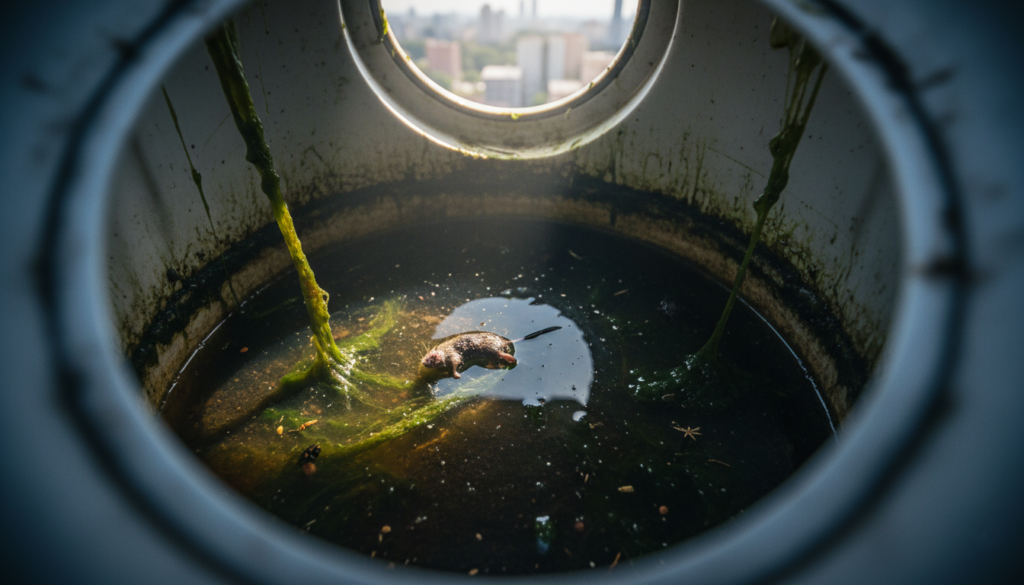

The Hidden Danger Lurking in Your Water Supply
Here’s something most people never think about: the water tank sitting on your roof or buried in your yard could be slowly poisoning you.
Sounds dramatic? Maybe. But it’s also true.
You lock your doors at night. You wash your hands before eating. You probably even sanitize your kitchen counters regularly. Yet the one thing delivering water to every tap, shower, and appliance in your home gets completely ignored year after year.
That tank is collecting sediment, growing biofilm, and breeding bacteria right now. Every glass of water, every shower, every meal you cook is touched by whatever’s floating around in there.
The question isn’t whether you need to clean your water tank. The question is: how much longer can you afford to wait?
What Actually Happens Inside a Neglected Water Tank
Water tanks seem like sealed, safe environments. They’re not.
Over time, several things accumulate inside even the most “secure” tanks:
Sediment and Mineral Deposits: As water sits, minerals settle to the bottom. Rust from metal tanks, calcium from hard water, and dirt that enters through poorly sealed lids all create layers of sludge. This sediment becomes a breeding ground for microorganisms.
Biofilm Formation: Within weeks of filling a tank, bacteria begin forming biofilm on the walls and floor. This slimy layer protects bacteria from chlorine and other disinfectants in your water supply. According to research published by the World Health Organization, biofilms can harbor pathogens including Legionella, E. coli, and Pseudomonas aeruginosa.
Algae Growth: If your tank allows any light penetration, algae will grow. Even tiny cracks or translucent materials give algae enough light to thrive. Green or brown water isn’t just unpleasant; it indicates organic contamination that affects taste and safety.
Dead Animals and Insects: Birds, rodents, and insects can enter through damaged seals or overflow pipes. Their decomposition introduces serious bacterial contamination. A single dead mouse can contaminate hundreds of gallons of water with harmful pathogens.
Chemical Contamination: Old tanks may leach chemicals from deteriorating materials. Asbestos cement tanks, once common, can release fibers. Plastic tanks exposed to sunlight may break down and leach chemicals into stored water.
The Centers for Disease Control and Prevention reports that contaminated water storage systems contribute to approximately 7.2 million waterborne illnesses annually in the United States alone. Many of these cases trace back to poorly maintained residential and commercial water tanks cleaning.
The Real Health Risks You’re Taking
Let’s get specific about what contaminated water tanks actually do to people.
Gastrointestinal Diseases: This is the most common problem. Bacteria like Campylobacter, Salmonella, and Shigella cause severe diarrhea, vomiting, and dehydration. For children, elderly people, and those with compromised immune systems, these infections can become life-threatening.
Legionnaires’ Disease: Legionella bacteria thrive in warm, stagnant water. When you shower or use a humidifier, you inhale tiny water droplets. If those droplets contain Legionella, you risk developing severe pneumonia. The CDC estimates 10,000 cases occur in the U.S. each year, with about 10% proving fatal.
Hepatitis and Typhoid: In regions where sanitation standards vary, contaminated water tanks can transmit Hepatitis A and typhoid fever. These diseases cause severe illness requiring hospitalization.
Skin Infections and Rashes: Bathing in contaminated water exposes your skin to bacteria and fungi. People often develop rashes, itching, and infections without realizing their water tank is the source.
Long-term Chemical Exposure: Chronic exposure to chemicals leached from deteriorating tank materials may contribute to kidney problems, neurological issues, and even cancer. While research continues, the risk isn’t worth ignoring.
According to a 2023 study published in the International Journal of Environmental Research and Public Health, households with water tanks cleaned less than once per year showed 3.4 times higher rates of waterborne illness compared to those maintaining annual cleaning schedules.
How Often Should You Actually Clean Your Water Tank?
The frequency depends on several factors, but here’s the general guideline:
Residential Tanks: Every 6 to 12 months. If you live in an area with high dust, pollen, or air pollution, lean toward the 6-month schedule.
Commercial and Industrial Tanks: Every 3 to 6 months, depending on usage volume and regulatory requirements. Food service facilities often require quarterly cleaning.
Emergency or Seasonal Tanks: Before filling for the season and immediately after any period of non-use.
The Environmental Protection Agency recommends annual inspections at minimum, with cleaning performed based on inspection findings.
Signs Your Water Tank Needs Immediate Attention
Don’t wait for a scheduled cleaning if you notice these warning signs:
- Discolored water: Yellow, brown, or green water indicates sediment, rust, or algae
- Foul odor: Musty, rotten, or chemical smells mean biological or chemical contamination
- Unusual taste: Metallic, earthy, or bitter tastes signal problems
- Visible particles: Sediment in your water means the tank has significant buildup
- Reduced water pressure: Sediment clogging pipes often starts in the tank
- Frequent unexplained illnesses: Recurring stomach problems in your household warrant investigation
The Cost of Ignoring Water Tank Maintenance
People avoid cleaning their water tanks because they don’t want to spend money or deal with the hassle. But neglect costs far more than maintenance.
Medical Expenses: A single bout of severe food poisoning can cost thousands in medical bills, emergency room visits, and lost work time. Treating Legionnaires’ disease can exceed $50,000 with hospitalization.
Plumbing Repairs: Sediment damages valves, clogs pipes, and ruins water heaters. Replacing a water heater costs $1,000 to $3,000. Repiping sections of your home runs much higher.
Appliance Replacement: Washing machines, dishwashers, and other appliances fail prematurely when supplied with contaminated, sediment-laden water.
Property Value: Home inspections often check water tanks. A filthy tank can kill a sale or reduce your home’s value by thousands of dollars.
A comprehensive study by the Water Quality Research Foundation found that proper water storage maintenance reduces household plumbing repair costs by an average of 47% over a 10-year period.
Compare that to professional tank cleaning, which typically costs $200 to $500 depending on tank size and location. The math isn’t complicated.
What Proper Water Tank Cleaning Actually Involves
Understanding the process helps you either do it yourself competently or evaluate professional services properly.
Step 1: Complete Drainage: The tank must be fully emptied. This includes removing all sediment-laden water at the bottom.
Step 2: Physical Scrubbing: Tank walls, floors, and ceilings need manual scrubbing to remove biofilm and attached sediment. High-pressure washing helps but isn’t sufficient alone.
Step 3: Disinfection: After physical cleaning, the tank requires disinfection with appropriate solutions. Chlorine-based disinfectants are most common, but concentration and contact time must be correct.
Step 4: Thorough Rinsing: All cleaning chemicals and loosened contamination must be completely flushed out.
Step 5: Inspection and Repair: While empty, tanks should be inspected for cracks, leaks, damaged seals, and other issues requiring repair.
Step 6: Refilling and Testing: After refilling, water should be tested to confirm safety before use resumes.
The entire process typically takes 4 to 8 hours depending on tank size and contamination levels.
Can You Clean Your Own Water Tank?
For small residential tanks, DIY cleaning is possible if you’re physically capable and willing to follow proper procedures.
You’ll need safety equipment (gloves, eye protection, non-slip boots), cleaning tools (stiff brushes, possibly a pressure washer), disinfection supplies, and several hours of time.
The main challenges are access (many tanks are in difficult locations), safety (confined space entry requires precautions), and ensuring proper disinfection (too little and bacteria survive; too much and chemical residue remains).
For larger tanks, underground tanks, or if you have any doubts, professional service makes more sense. The cost difference compared to potential mistakes isn’t worth the risk.
The Prevention Strategy That Actually Works
Smart water tank maintenance goes beyond reactive cleaning.
Install Proper Covers: Ensure your tank has a tight-fitting, opaque lid that prevents light, debris, and animal entry.
Add Screening: Overflow pipes and vents need fine mesh screening to keep insects and animals out.
Regular Visual Checks: Monthly quick inspections catch problems early. Look at water color, check for leaks, and verify seals remain intact.
Water Quality Testing: Annual laboratory testing provides objective data about contamination levels before they become visible problems.
Maintain Surrounding Area: Keep the area around your tank clean. Trim trees that drop leaves or provide animal access. Ensure good drainage prevents water pooling near the tank.
Document Everything: Keep records of cleaning dates, inspection findings, and repairs. This creates accountability and helps identify patterns.
Research from the Journal of Water and Health indicates that households implementing preventive maintenance protocols reduce contamination incidents by 78% compared to those relying solely on periodic cleaning.
Frequently Asked Questions
How long does water stay safe in a clean tank?
In properly maintained tanks, water remains safe for 1 to 3 months. Factors affecting this include tank material, temperature, initial water quality, and whether the tank is completely sealed from contamination. Regular use and turnover help maintain quality better than stagnant storage.
Will boiling water from a dirty tank make it safe?
Boiling kills bacteria and viruses but doesn’t remove chemical contaminants, heavy metals, or toxins already produced by bacteria. Sediment and particulates also remain. Boiling is emergency protection, not a substitute for proper tank maintenance.
Can I add bleach to my tank instead of cleaning it?
Adding disinfectants to a contaminated tank without physical cleaning is mostly ineffective. Biofilm and sediment protect bacteria from chemical disinfection. This approach may temporarily reduce bacteria counts but doesn’t address underlying contamination sources.
What’s the difference between cleaning and disinfecting?
Cleaning is the physical removal of dirt, sediment, biofilm, and debris through scrubbing and washing. Disinfecting is the chemical killing of remaining microorganisms. Both steps are necessary; neither alone is sufficient for proper tank maintenance.
Are plastic tanks better than concrete or metal?
Each material has advantages. Plastic tanks don’t rust and are lightweight but can degrade in sunlight and may harbor bacteria in surface scratches. Concrete tanks are durable but can develop algae in cracks. Metal tanks are strong but may rust. Proper maintenance matters more than material choice for most applications.
Your Next Step Forward
Your water tank won’t clean itself. Every day you wait, contamination accumulates.
You don’t need to panic, but you do need to act. Schedule an inspection if you haven’t cleaned your tank in over a year. Look at your water right now. Does it seem as crystal clear as it should be? Does it smell completely neutral? Are you certain about what’s inside that tank?
The families who avoid waterborne illness aren’t lucky. They’re simply the ones who took maintenance seriously before problems appeared.
Your health, your family’s safety, and your home’s value all depend on the quality of your water supply. That tank sitting above your head or beneath your property isn’t just a container. It’s either protecting your water or contaminating it.
Which one is it for you?