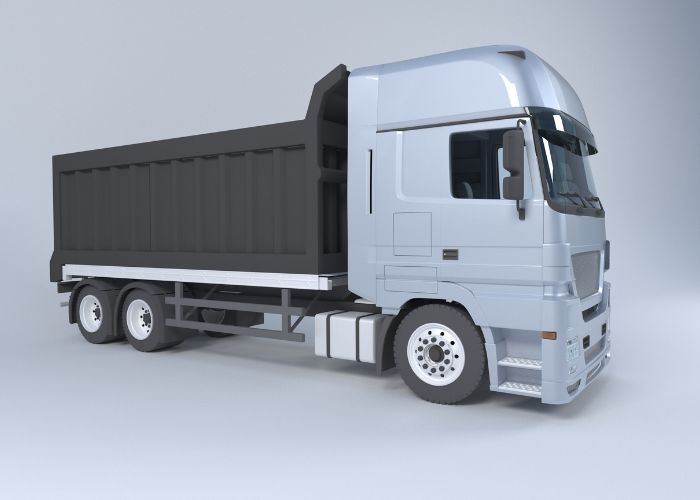

Scale truck models are small versions of real trucks. People in the USA and Canada use them for display, study, and collecting. These models follow fixed sizes called scales, such as 1:18 or 1:50.
A well-known example used in model design is Volvo. Real trucks from this company are often studied to create smaller versions with a similar shape and parts. Designers use real data, images, and measurements to guide the process.
You will see that making these models is not random. It follows clear steps from design to final check. Each step helps keep the model structurally close to the real truck.
Volvo Scale Model Trucks: A Simple Guide to How Detailed Truck Replicas Are Built
-
Overview of scale truck models
Scale truck models are built using a ratio. This ratio shows how much smaller the model is compared to the real truck. For example, a 1:50 scale means the model is 50 times smaller than the real vehicle.
These models include:
- Body frame
- Wheels and tires
- Cabin interior
- Small exterior parts
Each part is made to match the real truck layout. Volvo trucks are often used as references because their design is consistent and well-documented.
-
Design and planning stage
This stage starts the full process. Designers collect data from real trucks. They use photos, drawings, and measurements. This helps them understand how the truck is built.
They then create a 3D digital model using software. This model shows all parts in detail. It also helps plan how each piece will fit together.
At this point, the scale is chosen. The scale decides the size of the final product. This step is important because all later steps depend on it.
-
Mold creation process
After the design is complete, molds are created. A mold is a shaped tool used to form parts.
Metal molds are common because they can be used many times. Each truck part has its own mold. For example, the cabin, chassis, and wheels all have separate molds.
The mold must match the digital design exactly. Any small difference can affect the final shape of the model.
-
Material selection and casting
Materials are chosen based on strength and detail needs. Common materials include:
- Die-cast metal for main body parts
- Plastic for smaller parts
- Rubber for tires
Liquid material is placed into molds. It then cools and becomes solid. This forms the base parts of the truck model.
This step is repeated many times to produce multiple parts. Each part must match the same mold design.
-
Assembly of the model
Once parts are ready, they are assembled. This step brings all pieces together.
Workers or machines connect:
- The chassis to the body
- Wheels to axles
- Interior parts inside the cabin
- Small exterior parts like mirrors
Some models include moving parts. Doors may open, and wheels may rotate. Alignment is important at this stage to ensure proper fit.
-
Detailing and finishing
Detailing is where the model starts to look complete. Paint is applied in layers. First, a base layer is added. Then, color and markings are added.
Logos and text are applied to the model to match the real truck’s design. For example, models based on Volvo trucks include similar placement of badges and lines.
Surface finishing is also done. This includes smoothing and checking for paint consistency. Small parts like lights, mirrors, and interior details are added here.
Volvo Scale Model Trucks: How Detailed Truck Replicas Are Made depends on how well each step is followed. When design, casting, and assembly are done with care, the final model reflects the structure of the real truck in miniature.
-
Quality check and inspection
After assembly and detailing, each model goes through inspection. This step checks if the model meets the required standards.
Inspectors look at:
- Part alignment
- Paint application
- Function of moving parts
- Fit between components
If any issues are found, they are corrected before packaging. This step helps maintain consistency across multiple units.
-
Packaging and distribution
Once the model passes inspection, it is packed. Packaging protects the model during transport and storage.
Boxes are designed to hold the model in place and reduce movement. This helps prevent damage before it reaches the user.
Final products are then sent to stores or buyers across regions like the USA and Canada.
Bottom Line
Scale truck models follow a clear and structured process. It starts with design and ends with inspection and packaging. Each step has a role in shaping the final product.
Models based on Volvo trucks are often used because their structure is well-known and consistent. Designers study real trucks to create smaller versions that follow a similar layout and proportions.
Volvo Scale Model Trucks: How Detailed Truck Replicas Are Made shows how planning, materials, molds, and assembly come together. Each part of the process must work correctly to produce a model that reflects the real truck in shape and detail.
For users, these models offer a simple way to understand truck design. They also help collectors and learners observe structure without working on full-size vehicles.