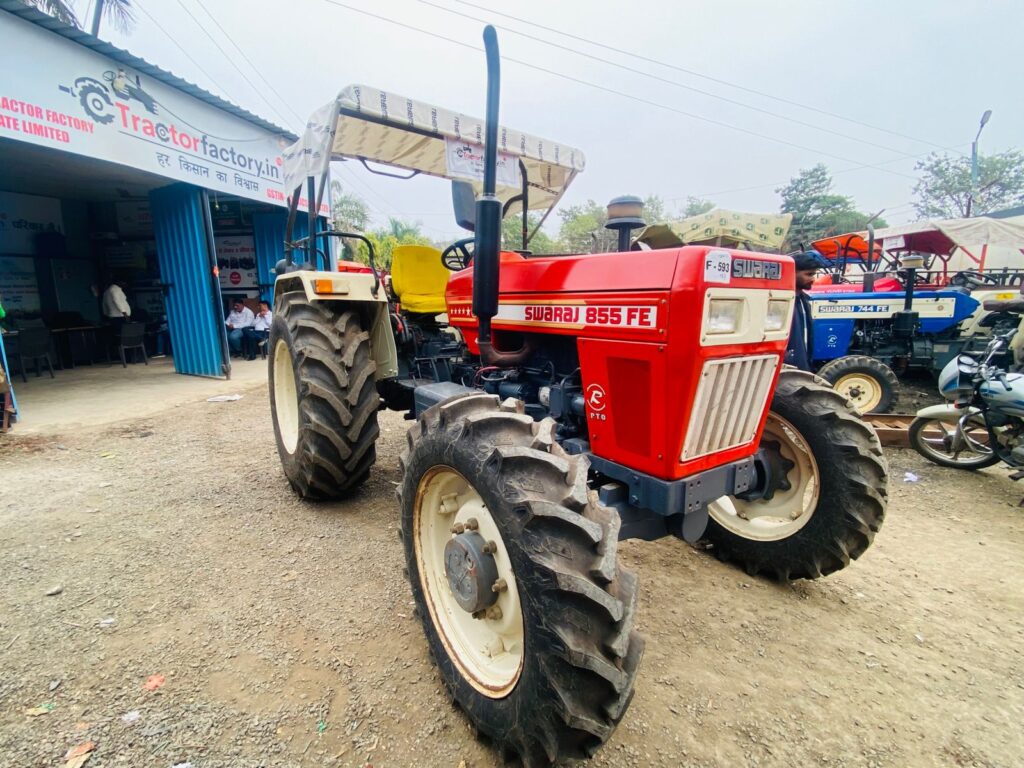

If you’ve ever stood in a dusty yard, staring at a row of used tractors, you’ll know the feeling—it’s a mix of excitement and doubt. I’ve been there. More than once, actually. You see one that looks solid, maybe even a bit rugged in a good way… and then that thought creeps in: Is this a smart buy or a future headache?
Used tractors aren’t just about saving money. They’re about finding something reliable, something that works as hard as you do. But the truth is, you only really understand them after spending time
Why Used Tractors Still Make Sense Today
There’s a reason why so many farmers still prefer used tractors over brand-new ones.
For starters, tractors aren’t like cars where age immediately lowers performance. A well-maintained tractor—even after years of use—can still handle plowing, hauling, and tilling without breaking a sweat.
I’ve seen older machines start up more confidently than newer ones loaded with electronics. Less complexity sometimes means fewer things that can go wrong.
And honestly, there’s a certain trust you build with a machine that’s already proven itself over time.
The Real Savings (And Where People Get It Wrong)
Let’s talk money, because that’s usually the first thing on anyone’s mind.
Used tractors are significantly more affordable. You can often get a solid second-hand tractor for 40–60% less than a new one. That’s a big deal, especially for small farmers or someone just starting out.
But here’s where people mess up—they only look at the price tag.
A cheap tractor that needs constant repair isn’t cheap in the long run. I learned that the hard way when I ignored a small hydraulic issue. It didn’t stay small for long.
So yes, you save money upfront. Just don’t forget to think ahead.
What to Check Before Buying a Used Tractor
This is where things get real. When you’re standing in front of a used tractor, don’t just admire it—inspect it.
Start with the basics:
- Engine condition (listen carefully, not just visually inspect)
- Oil leaks or unusual smells
- Tire wear and alignment
- Hydraulic performance
I always say this—your ears are as important as your eyes. A strange knocking sound or delayed response can tell you more than a fresh coat of paint ever will.
And please, don’t rush. Walk around it. Take your time. Sometimes the smallest detail reveals the biggest issue.
Engine Performance: The Heart of the Machine
You can fix cosmetic issues later. Engine problems? Not so easy.
Start the tractor when it’s cold, if possible. That’s when issues are most noticeable. Watch how quickly it starts, listen for uneven idling, and observe the exhaust.
A little smoke isn’t always bad—but thick black or blue smoke? That’s usually a warning sign.
I once ignored a slight delay in ignition. Thought it was normal. It wasn’t. Turned into a costly repair within months.
Matching the Tractor to Your Work
One mistake I see quite often is buying the wrong type of tractor.
Not every tractor suits every job.
If you’re working on a small farm or orchard, a compact tractor makes more sense. For heavy plowing or large fields, you’ll need something more powerful.
Think about:
- Land size
- Soil type
- Type of work (plowing, hauling, spraying)
Used farm equipment gives you more options across different price ranges, which is great—but only if you choose wisely.
Don’t Ignore Maintenance History
This part gets overlooked way too often.
Ask about service records. Even if the seller doesn’t have full documentation, try to get an idea of how the tractor was used and maintained.
A tractor used occasionally for light work is very different from one that ran daily under heavy load.
You can usually tell by the condition—but asking questions helps fill in the gaps.
And if the seller avoids answering? That’s your answer right there.
Spare Parts and Repair Reality
Here’s something practical—can you easily find spare parts for that model?
Some older tractors are excellent, no doubt. But if parts are hard to find in your area, repairs become frustrating and expensive.
Before buying, check with local mechanics or dealers. A quick conversation can save you a lot of trouble later.
I once bought a model that performed beautifully… until a minor part failed. Took weeks to replace it. Not fun when work is waiting.
Why Test Driving Is Non-Negotiable
I don’t care how good the deal looks—never skip the test drive.
Drive it on uneven ground if possible. Check how it handles load. Shift gears, test brakes, and observe how responsive it feels.
Sometimes everything looks perfect until you actually operate the machine.
There was one tractor I almost bought. Looked excellent. But during the test drive, it had a subtle vibration at higher speeds. That was enough for me to walk away.
Best decision I made that week.
Used Tractors and Long-Term Value
A good used tractor isn’t just a purchase—it’s an investment.
If maintained properly, it can serve you for years. Regular oil changes, filter cleaning, and basic care go a long way.
The thing is, tractors don’t demand perfection. They just need consistency.
I’ve had machines that weren’t perfect when I bought them, but with a bit of care, they turned into reliable work partners.
The Feel You Can’t Explain
This might sound strange, but experienced buyers will understand.
Sometimes, you just feel when a tractor is right.
It starts well, runs smooth, and nothing feels forced. There’s a rhythm to it. Hard to explain, but very real.
And then there are machines that look great but feel… off. Trust that instinct.
It’s saved me more than once.
Final Thoughts: Should You Buy a Used Tractor?
If you’re expecting perfection, don’t buy used.
But if you’re willing to look carefully, ask questions, and accept a few imperfections—used tractor can be one of the smartest decisions you make.
They’re practical, affordable, and often more reliable than people expect.
Take your time. Don’t chase deals—look for value.
And when you finally find the right tractor, it won’t just be a machine. It’ll feel like something you can depend on, day after day, season after season.