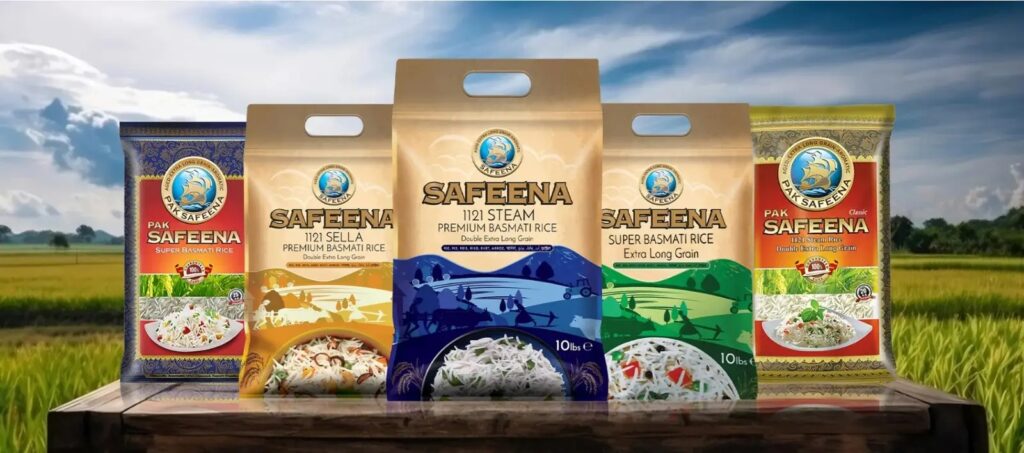

Pakistan is one of the world’s most important rice-producing countries, supplying premium aromatic and non-aromatic rice to dozens of global markets. Over decades, the country has built a strong reputation for quality grains, competitive pricing, and dependable export processes. Understanding how the rice exports in Pakistan works is essential for international buyers looking for consistency, compliance, and long-term partnerships. This article explores the structure of the industry, export processes, quality standards, and the role of reliable exporters such as Amir Rice Mills in connecting Pakistan’s harvests to global markets.
Pakistan’s Position in the Global Rice Market
Pakistan ranks among the leading rice-exporting countries, primarily due to its favorable climate, fertile river plains, and deep agricultural expertise. The country is especially known for its long-grain varieties, including aromatic basmati and high-yield non-basmati rice. These varieties are exported to regions such as the Middle East, Africa, Europe, and parts of Asia. The strength of the rice export industry in Pakistan lies in its ability to meet large-scale demand while maintaining grain integrity. Exporters play a vital role by coordinating between farmers, mills, and international buyers. Companies like Amir Rice Mills help streamline this process, ensuring that Pakistani rice remains competitive and trusted across international markets.
Major Rice Varieties Exported From Pakistan
One of the defining strengths of Pakistan’s rice export industry is the diversity of rice varieties it offers. Basmati rice, known for its fragrance, extra-long grain, and taste, is among the most sought-after exports. In addition, Pakistan exports several non-basmati varieties used for everyday consumption, food service, and industrial needs. Each variety has specific moisture levels, grain length standards, and milling requirements. Exporters must understand these differences to serve international buyers accurately. Reliable exporters such as Amir Rice Mills specialize in handling multiple rice varieties, maintaining consistent specifications, and offering customized solutions based on regional and buyer requirements.
Rice Processing and Milling Standards
Modern milling and processing are critical to preserving rice quality during export. After harvesting, rice undergoes cleaning, husking, polishing, grading, and sorting before packaging. High-quality exporters invest in modern milling plants, color sorters, and quality control systems to eliminate impurities and broken grains. Proper milling not only improves appearance but also ensures longer shelf life and better cooking results. In Pakistan, exporters who follow advanced processing standards gain stronger trust from overseas buyers. Amir Rice Mills emphasizes controlled processing environments and consistent milling practices, enabling them to supply uniform, export-ready rice that meets international quality expectations.
Quality Control and International Compliance
International rice buyers demand strict compliance with food safety and quality regulations. The rice export industry in Pakistan operates under multiple regulatory checks, including moisture testing, purity analysis, and inspection certifications. Exporters must also comply with destination-specific requirements such as labeling, packaging, and documentation. Quality control is not a single step but a continuous process across procurement, processing, storage, and shipment. Exporters like Amir Rice Mills follow structured quality control systems to ensure that each shipment aligns with buyer specifications and importing-country standards. This focus reduces disputes, delays, and rejections, making long-term trade relationships more sustainable.
Export Packaging and Logistics Infrastructure
Packaging and logistics play a critical role in rice exports. Rice must be packed in food-grade, moisture-resistant packaging to protect it during long sea journeys. Common packaging options include PP bags, laminated sacks, and customized private-label solutions. Beyond packaging, exporters must manage inland transportation, port handling, and shipping schedules efficiently. Pakistan’s major ports facilitate rice exports globally, but experienced exporters make the difference by planning shipments carefully. Amir Rice Mills coordinates packaging and logistics with precision, ensuring that rice arrives in optimal condition while meeting delivery timelines agreed upon with international buyers.
Role of Exporters in Farmer and Buyer Coordination
Exporters act as a bridge between farmers and international markets. They work closely with growers to source suitable paddy, guide them on quality expectations, and ensure fair procurement practices. On the buyer side, exporters manage pricing, specifications, documentation, and post-shipment support. This coordination is essential to maintain consistency and trust across supply chains. The rice export industry in Pakistan relies heavily on exporters who understand both agricultural realities and global trade requirements. Amir Rice Mills focuses on long-term coordination rather than one-time transactions, enabling stable supply chains that benefit farmers, buyers, and distributors alike.
Market Trends Shaping Rice Exports From Pakistan
Global rice demand continues to evolve due to population growth, shifting consumption patterns, and increased focus on food security. Buyers now prioritize traceability, consistent quality, and ethical sourcing. Additionally, private labeling and bulk supply contracts are becoming more common. Pakistani exporters are adapting by improving transparency and upgrading processing capabilities. Forward-looking exporters such as Amir Rice Mills align their operations with these trends, investing in quality assurance, documentation accuracy, and buyer communication. These developments are helping Pakistan maintain its relevance and competitiveness in the global rice export market.
Why Trusted Exporters Matter in Long-Term Trade
Choosing the right exporter is crucial for importers seeking stable supply and reduced risk. Trusted exporters offer consistent specifications, transparent communication, and reliable after-sales support. They understand international market fluctuations and help buyers navigate challenges such as price changes or logistics disruptions. The rice export industry in Pakistan thrives because of exporters who prioritize reputation over volume alone. Amir Rice Mills represents this approach by focusing on reliability, compliance, and long-term partnerships. Such exporters ensure that buyers receive not just rice, but confidence and continuity in their sourcing strategy.