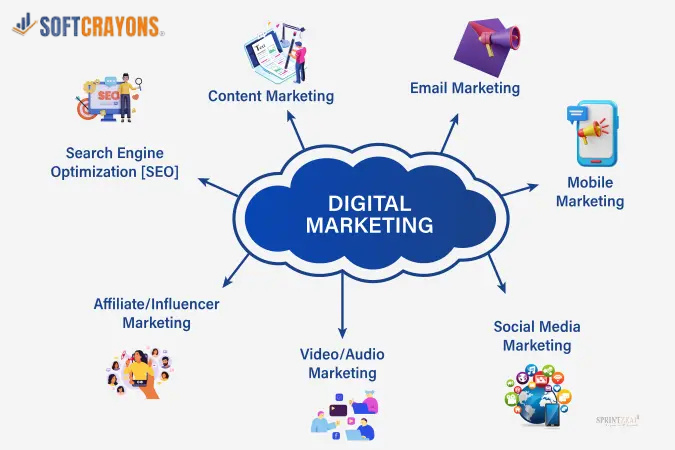

Digital marketing has changed the way businesses reach customers. Instead of depending only on traditional advertising, companies now focus on online visibility, engagement, and conversions. If you are new to Digital marketing, you may often hear the terms SEO, SEM, and SMO. While they sound similar, they serve different purposes and work in unique ways. Understanding these three concepts is essential for anyone who wants to build strong digital marketing skills.
Why SEO, SEM, and SMO Matter in Digital Marketing
The success of any digital marketing strategy depends on how well a brand is discovered online. Some users search for information on Google, while others spend time scrolling through social media platforms. SEO, SEM, and SMO help businesses reach users at different stages of their digital journey. Together, they create a complete online marketing approach that increases visibility, trust, and engagement.
SEO: Building Long-Term Online Visibility
Search Engine Optimization (SEO) focuses on improving a website’s ranking in search engine results without paying for ads. When users search for a product, service, or information, they usually click on the top results. SEO helps websites appear in those top positions organically.
SEO involves optimizing website content, using relevant keywords, improving site speed, and ensuring a good user experience. It also includes off-page activities such as backlink building and brand mentions. SEO is a long-term strategy that requires patience, but the results are sustainable and cost-effective. Once a website ranks well, it can continue to attract traffic for a long time.
SEM: Driving Instant Traffic Through Paid Ads
Search Engine Marketing (SEM) is a paid strategy used to increase visibility on search engines quickly. SEM mainly includes Pay-Per-Click (PPC) advertising, where advertisers pay when users click on their ads. These ads appear at the top of search engine results pages, above organic listings.
SEM is ideal for businesses that want immediate results, such as promoting new products or competing in high-demand markets. It allows precise targeting based on location, interests, and search intent. While SEM delivers fast results, it requires continuous investment, as traffic stops once the ads are paused.
SMO: Strengthening Brand Presence on Social Media
Social Media Optimization (SMO) focuses on enhancing a brand’s presence across social media platforms like Facebook, Instagram, LinkedIn, and Twitter. SMO involves creating engaging content, optimizing profiles, using hashtags, and encouraging audience interaction.
Unlike SEO and SEM, which focus on search engines, SMO is about building relationships with audiences. It helps brands communicate directly with users, increase brand awareness, and build trust. SMO is especially useful for creating loyal communities and encouraging user-generated content.
Key Differences Between SEO, SEM, and SMO
The main difference between SEO, SEM, and SMO lies in their approach and goals. SEO aims for organic visibility and long-term growth. SEM focuses on paid visibility and immediate traffic. SMO emphasizes engagement and brand awareness on social platforms.
SEO takes time but offers lasting results. SEM is fast but requires ongoing budget. SMO depends on creativity and consistency to build strong connections. Each strategy plays a unique role in digital marketing, and none of them works best alone.
How SEO, SEM, and SMO Work Together
A successful digital marketing strategy often combines SEO, SEM, and SMO. SEO builds a strong foundation by attracting organic traffic. SEM supports campaigns by driving quick results and conversions. SMO strengthens brand presence and keeps audiences engaged.
For example, SEO can bring users to a website, SEM can convert them through targeted ads, and SMO can retain them through social engagement. This integrated approach ensures maximum reach and effectiveness.
Choosing the Right Strategy for Your Goals
The choice between SEO, SEM, and SMO depends on business goals. If the aim is long-term growth and authority, SEO is essential. If the goal is immediate sales or leads, SEM works best. If the focus is brand awareness and community building, SMO is the right choice.
Digital marketers who understand all three strategies can create balanced campaigns that adapt to different marketing needs.
Career Scope in SEO, SEM, and SMO
Digital marketing professionals with knowledge of SEO, SEM, and SMO are in high demand. These skills open career opportunities as SEO specialists, PPC experts, social media managers, and digital marketing strategists. Freelancers and entrepreneurs can also use these skills to grow their own brands and businesses.
Mastering these techniques gives marketers a competitive advantage in the digital marketing industry.
Grow Your Digital Marketing Skills with Softcrayons Tech Institute
If you want to gain practical knowledge and confidently understand the difference between SEO, SEM, and SMO, Softcrayons Tech Institute provides the right learning environment. The institute offers hands-on training, live projects, and expert mentorship to help learners develop real-world digital marketing skills. By joining Softcrayons Tech Institute, you can strengthen your understanding of SEO, SEM, and SMO, stay updated with industry trends, and grow your career in the digital marketing field.