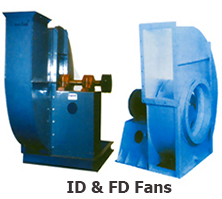

In modern industrial operations, air movement plays a critical role in ensuring efficiency, safety, and performance. Among the many components responsible for managing airflow, Forced Draft (FD) fans stand out as essential equipment, particularly in industries such as power generation, cement production, steel manufacturing, and chemical processing. FD fan manufacturers, therefore, occupy a vital position in the industrial ecosystem, delivering solutions that directly impact productivity and operational reliability.
FD fans are designed to supply fresh air into combustion systems, such as boilers and furnaces. This air supports the burning of fuel by maintaining optimal oxygen levels, ensuring efficient combustion. Unlike induced draft fans, which remove flue gases, FD fans push air into the system, creating the necessary pressure for smooth and controlled operation. Because of this role, the performance of an FD fan can significantly influence fuel efficiency, emission levels, and overall system stability.
Manufacturing FD fans is a complex process that combines engineering precision, material science, and a deep understanding of industrial requirements. Manufacturers must design fans capable of handling high volumes of air at varying pressures while maintaining durability under harsh operating conditions. These fans often operate continuously for long hours, sometimes in environments with high temperatures, dust, or corrosive gases. As a result, quality and reliability are paramount.
One of the primary considerations in FD fan manufacturing is aerodynamic design. The shape and configuration of blades, impellers, and casings determine how efficiently air is moved. Advanced computational tools are often used to optimize airflow patterns, reduce turbulence, and improve energy efficiency. Even minor improvements in design can lead to substantial energy savings over time, making innovation a key focus for manufacturers.
Material selection is another critical aspect. FD fans are typically constructed using robust materials such as carbon steel, stainless steel, or specialized alloys, depending on the application. In industries where corrosion or abrasion is a concern, manufacturers may incorporate protective coatings or linings to extend the lifespan of the equipment. The goal is to ensure that the fan can withstand demanding conditions without frequent maintenance or failure.
Customization is a defining feature of FD fan manufacturing. No two industrial setups are exactly alike, and manufacturers must tailor their products to meet specific operational needs. Factors such as airflow capacity, pressure requirements, installation space, and environmental conditions all influence the design. This often involves close collaboration between manufacturers and clients to develop solutions that integrate seamlessly into existing systems.
Energy efficiency has become an increasingly important focus in recent years. With rising energy costs and stricter environmental regulations, industries are seeking ways to reduce their carbon footprint. FD fan manufacturers are responding by developing high-efficiency models that consume less power while delivering the same or improved performance. This includes the use of variable frequency drives (VFDs), which allow operators to adjust fan speed according to demand, thereby minimizing energy wastage.
In addition to design and manufacturing, testing and quality assurance are crucial stages in the production process. FD fans must undergo rigorous testing to ensure they meet performance standards and safety requirements. This may include vibration analysis, noise level measurement, and performance validation under simulated operating conditions. Such testing helps identify potential issues before installation, reducing the risk of costly downtime later.
After-sales support is another important aspect of the FD fan manufacturing landscape. Installation guidance, maintenance services, and spare parts availability all contribute to the long-term performance of the equipment. Manufacturers that provide comprehensive support often build stronger relationships with clients, ensuring repeat business and long-term trust.
Technological advancements are also shaping the future of FD fan manufacturing. The integration of smart monitoring systems, sensors, and data analytics allows for real-time performance tracking and predictive maintenance. These innovations help detect issues early, optimize operation, and extend the lifespan of the equipment. As industries move toward automation and digitalization, FD fan manufacturers are increasingly adopting these technologies to stay competitive.
In conclusion
FD fan manufacturers play a crucial role in supporting industrial operations by delivering reliable and efficient airflow solutions. Their work involves a blend of engineering expertise, innovation, and customer-centric design. As industries continue to evolve, the demand for high-performance, energy-efficient, and durable FD fans is expected to grow, driving further advancements in this essential field.
Other recommended Link: Bucket Elevators Manufacturers