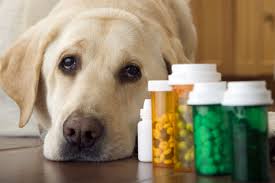

Antibiotics are a critical tool in veterinary medicine, helping to treat bacterial infections, prevent complications, and promote faster recovery in dogs. However, just like in humans, proper use is essential. Incorrect dosage or prolonged use of antibiotics can lead to ineffective treatment, antibiotic resistance, or harmful side effects. Understanding dosage and side effects of antibiotics for dogs is crucial for responsible pet ownership and ensuring your dog’s health and safety.
What Are Antibiotics for Dogs?
Antibiotics are medications designed to kill or inhibit the growth of bacteria causing infections in dogs. They are commonly prescribed for skin infections, urinary tract infections, respiratory infections, ear infections, and post-surgical recovery. Some widely used antibiotics for dogs include amoxicillin, cephalexin, clindamycin, doxycycline, and enrofloxacin. These medications work by targeting bacterial cells while minimizing harm to your dog’s own healthy cells.
Importance of Correct Dosage
Administering the correct dosage is crucial for the effectiveness of antibiotics. Dosage depends on several factors, including:
-
Dog’s Weight: Dosage is often calculated per kilogram or pound to ensure proper therapeutic levels in the bloodstream.
-
Type of Infection: Different infections may require varying antibiotic strength and duration.
-
Dog’s Age and Health Condition: Puppies, senior dogs, or dogs with liver/kidney conditions may require adjusted doses.
-
Specific Antibiotic Used: Each antibiotic has unique pharmacokinetics, meaning how the body absorbs, distributes, and eliminates the drug.
Incorrect dosage can lead to:
-
Under-dosing: May fail to eliminate the infection, allowing bacteria to survive and potentially develop resistance.
-
Over-dosing: Can cause toxicity and increase the risk of harmful side effects, including vomiting, diarrhea, or organ damage.
Common Side Effects of Antibiotics in Dogs
Even when administered correctly, antibiotics can sometimes cause side effects. Being aware of these signs helps pet owners act promptly and protect their dog’s health.
-
Gastrointestinal Issues:
Diarrhea, vomiting, or loss of appetite is one of the most common side effects. Some antibiotics disrupt the natural balance of gut bacteria, leading to temporary digestive discomfort. Providing probiotics during or after the course can help restore healthy gut flora. -
Allergic Reactions:
Although rare, dogs may experience allergic reactions to certain antibiotics. Symptoms include hives, itching, swelling of the face or paws, and difficulty breathing. Immediate veterinary attention is required if an allergic reaction occurs. -
Changes in Behavior or Energy Levels:
Some dogs may appear lethargic, unusually tired, or irritable while on antibiotics. While mild fatigue is common, persistent lethargy may indicate an adverse reaction or an underlying complication. -
Secondary Infections:
Prolonged use of antibiotics can sometimes lead to secondary infections, such as yeast infections in the skin or ears, due to the disruption of normal bacterial balance. Monitoring your dog during and after treatment is important. -
Organ Toxicity:
High doses or prolonged use of certain antibiotics can impact the liver or kidneys, especially in older dogs or those with pre-existing conditions. Regular check-ups and blood tests can help detect any early signs of organ stress.
Tips for Safe Administration of Antibiotics
To ensure the effectiveness of antibiotics and reduce side effects, pet owners should follow these key guidelines:
-
Follow the Prescription: Always administer antibiotics exactly as prescribed by your veterinarian. Do not alter the dose or stop the medication early, even if symptoms improve.
-
Measure Accurately: Use syringes, droppers, or calibrated cups to give liquid antibiotics. For tablets, ensure the correct size and divide only if instructed by the vet.
-
Maintain a Consistent Schedule: Administer doses at evenly spaced intervals to maintain proper antibiotic levels in the bloodstream.
-
Monitor Your Dog: Watch for any signs of side effects, allergic reactions, or worsening symptoms. If you notice anything unusual, contact your veterinarian immediately.
-
Avoid Overlapping Antibiotics: Do not give your dog multiple antibiotics at the same time unless specifically recommended by your vet. Overlapping medications can increase side effects and reduce effectiveness.
-
Supportive Care: Offer plenty of fresh water, nutritious food, and a comfortable environment during treatment. Probiotics and gentle meals can help reduce digestive side effects.
When to Contact Your Veterinarian
Prompt communication with your veterinarian is essential if your dog shows signs of severe side effects or if the infection does not improve. Contact your vet immediately if your dog experiences:
-
Persistent vomiting or diarrhea
-
Swelling, hives, or difficulty breathing
-
Lethargy lasting more than a day
-
Loss of appetite accompanied by weakness
-
Any other unusual behavior or physical changes