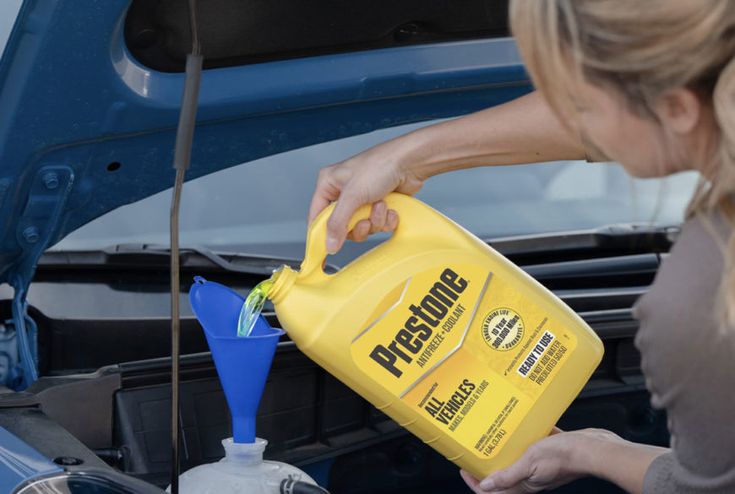

Many car owners often panic when they see a bright puddle under their vehicle. Knowing how much to fix leaking coolant is the first thing that comes to mind when you spot that green or pink fluid.
It is a scary moment because your engine depends on that liquid to stay cool. If you ignore it, you might end up with a blown head gasket or a melted engine block.
The True Cost of Fixing Coolant Leaks in Modern Vehicles
When you start looking into the price, you will notice it varies wildly. A small hose might only cost you twenty dollars, while a radiator can be hundreds.
Labor costs are often the most expensive part of the bill. Mechanics usually charge by the hour, and some parts are buried deep inside the engine bay.
You should always ask for a detailed quote before letting anyone touch your car. This helps you avoid “sticker shock” when the final bill arrives at the shop.
Diagnosing the Source Before Fixing Coolant Leaks
You cannot fix what you haven’t found yet. Sometimes the leak is just a loose clamp that needs a quick turn with a screwdriver.
Other times, it is a hairline crack in a plastic reservoir that only opens up when the engine is hot. Pressure testing the system is the best way to find these hidden issues.
If you see steam coming from the hood, pull over immediately. Driving with a leak is like playing Russian roulette with your car’s life.
Common Components That Cause System Failures
The radiator is the most common culprit in these situations. Over time, the metal fins can corrode or the plastic side tanks can crack from the constant heat cycles.
Replacing a radiator usually falls in the mid-range of repair costs. It is a straightforward job for most shops, but the part itself can be pricey.
Water pumps are another “usual suspect” when things go wrong. They have a small “weep hole” that starts dripping when the internal seal finally fails.
Why Hoses Lead to Fixing Coolant Leaks Frequently
Rubber does not last forever, especially when it is full of boiling liquid. Hoses get soft or “spongy” over time, which leads to pinhole leaks.
Inspecting your hoses every time you change your oil is a smart habit. If they feel crunchy or too soft, they are about to give out on you.
Most mechanics recommend replacing the thermostat at the same time. Since the system is already drained, it saves you money on future labor.
Breakdown of Repair Estimates and Parts
Instead of a complex table, here are the key price points you need to remember for your budget.
-
Radiator Hose Replacement: Usually costs between $50 and $150 including labor.
-
New Water Pump: Expect to pay between $300 and $750 depending on the car model.
-
Radiator Replacement: This typically ranges from $400 to $900 at a professional shop.
-
Thermostat Change: A relatively cheap fix, usually costing between $150 and $300.
-
Head Gasket Repair: The most expensive, often exceeding $2,000 due to intense labor.
Using high-quality coolant is also a hidden cost. Never use just plain water, as it causes internal rust and lowers the boiling point.
Essential Safety Tips for DIY Mechanics
Never, ever open a radiator cap while the engine is still hot. The system is under massive pressure and the liquid will spray out like a geyser.
Wait at least an hour for the engine to cool down completely. You can feel the upper radiator hose; if it’s hard, the system is still pressurized.
Wear gloves and eye protection because antifreeze is toxic. It also has a sweet smell that attracts pets, so clean up any spills immediately to keep them safe.
Professional Tools Required for Fixing Coolant Leaks
If you want to do this at home, you need more than just a wrench. A spill-free funnel is a lifesaver for getting air bubbles out of the lines.
Air pockets in the cooling system can cause “hot spots.” These spots can trick your sensors and cause the engine to overheat even if the reservoir is full.
A vacuum refill tool is what the pros use. It sucks all the air out and pulls the fresh coolant in, ensuring there are no dangerous gaps in the flow.
How to Prevent Future Overheating Disasters
Maintenance is always cheaper than a major repair. Flushing your system every two to three years removes the “sludge” that builds up inside.
Check your fluid levels at least once a month. If you notice the level dropping, you have a slow leak that needs your attention right now.
Modern cars use specific types of antifreeze. Mixing the “orange” stuff with the “green” stuff can create a gel that clogs up your entire engine.
Final Thoughts on Fixing Coolant Leaks Early
The longer you wait, the more expensive the repair becomes. A fifty-dollar hose today prevents a three-thousand-dollar engine swap next month.
Trust your nose if you smell something sweet like maple syrup near your car. That is the classic scent of leaking glycol, and it’s a warning sign.
Stay proactive with your vehicle’s health and it will stay on the road much longer. Your wallet will definitely thank you for being a responsible owner.