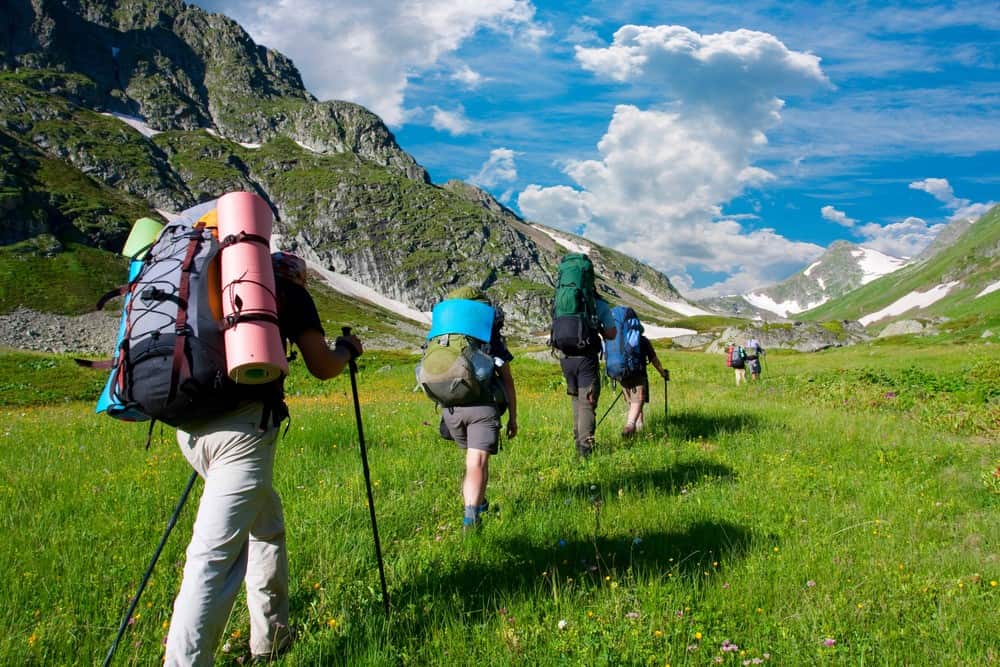

Travel is more than just visiting new places; it’s about experiencing them deeply. Trekking & Hiking Tourism has emerged as one of the most popular ways to connect with nature, culture, and adventure in a meaningful way. Whether you’re walking through dense forests, climbing rugged mountain trails, or exploring hidden valleys, trekking and hiking offer a unique blend of physical challenge and spiritual reward.
In this comprehensive guide, we’ll explore the world of trekking and hiking tourism—its history, benefits, destinations, preparation tips, and future trends. By the end, you’ll see why this form of travel is not just a hobby but a lifestyle embraced by millions worldwide.
1. Understanding Trekking & Hiking Tourism
Trekking and hiking are often used interchangeably, but they carry subtle differences:
- Hiking usually refers to shorter walks on well-marked trails, often completed within a day.
- Trekking involves longer journeys, sometimes lasting several days, across challenging terrains like mountains, deserts, or jungles.
Together, they form the backbone of Trekking & Hiking Tourism, which focuses on adventure travel experiences that prioritize nature, endurance, and exploration. Unlike conventional tourism, this niche emphasizes slow travel, eco-friendliness, and immersion in local cultures.
2. The Rise of Trekking & Hiking Tourism
Over the past two decades, trekking and hiking have transformed from niche activities into mainstream tourism trends. Several factors explain this rise:
- Health and wellness awareness: People are increasingly seeking active holidays that combine fitness with leisure.
- Eco-tourism movement: Trekking aligns perfectly with sustainable travel, encouraging minimal environmental impact.
- Social media influence: Platforms like Instagram and YouTube showcase breathtaking trails, inspiring travelers to follow in those footsteps.
- Accessibility: Improved infrastructure, guided tours, and affordable gear have made trekking more approachable.
Today, trekking and hiking tourism is not just about reaching a destination—it’s about the journey itself.
3. Benefits of Trekking & Hiking Tourism
Trekking and hiking offer a wide range of benefits that go beyond physical exercise:
Physical Benefits
- Builds stamina and endurance.
- Strengthens muscles and joints.
- Improves cardiovascular health.
Mental Benefits
- Reduces stress and anxiety.
- Boosts creativity and mindfulness.
- Provides a sense of achievement.
Social Benefits
- Encourages teamwork and bonding.
- Connects travelers with local communities.
- Creates lifelong friendships among fellow trekkers.
Environmental Benefits
- Promotes eco-friendly travel.
- Raises awareness about conservation.
- Supports sustainable tourism initiatives.
4. Famous Global Destinations for Trekking & Hiking Tourism
The world is full of breathtaking trails. Here are some iconic destinations:
| Region | Famous Trails | Highlights | Difficulty |
| Nepal | Everest Base Camp, Annapurna Circuit | Himalayan peaks, Sherpa culture | Moderate to Hard |
| Peru | Inca Trail to Machu Picchu | Ancient ruins, cloud forests | Moderate |
| Switzerland | The Haute Route | Alpine scenery, glaciers | Moderate |
| USA | Appalachian Trail, Pacific Crest Trail | Diverse landscapes, wildlife | Moderate to Hard |
| India | Roopkund, Valley of Flowers, Ladakh | Himalayan beauty, cultural immersion | Moderate to Hard |
| New Zealand | Milford Track | Fjords, waterfalls | Easy to Moderate |
Each of these destinations showcases the diversity of trekking and hiking tourism, from cultural immersion to raw adventure.
5. Trekking & Hiking Tourism in India
India is a treasure trove for trekking enthusiasts. From the Himalayas in the north to the Western Ghats in the south, the country offers trails for every level.
Popular Indian Treks
- Himalayan Treks: Roopkund, Kedarkantha, Hampta Pass, Chadar Trek.
- Western Ghats: Kudremukh, Mullayanagiri, Rajmachi.
- Northeast India: Dzükou Valley, Namdapha National Park.
India’s trekking culture is deeply tied to spirituality, with many trails leading to sacred shrines and monasteries. This makes trekking & hiking tourism in India not just adventurous but also culturally enriching.
6. Preparing for Trekking & Hiking Tourism
Preparation is key to enjoying trekking safely and fully.
Essential Gear
- Comfortable trekking shoes.
- Weather-appropriate clothing.
- Backpack with hydration system.
- Navigation tools (maps, GPS).
- First-aid kit.
Fitness Preparation
- Regular cardio exercises.
- Strength training for legs and core.
- Practice hikes to build stamina.
Safety Tips
- Always trek with a group or guide.
- Stay hydrated and eat energy-rich foods.
- Respect local customs and nature.
- Inform someone about your trekking plan.
7. Cultural Aspects of Trekking & Hiking Tourism
Trekking is not just about landscapes—it’s also about people. Many trails pass through villages, monasteries, and cultural landmarks. Travelers often get the chance to:
- Experience local cuisines.
- Learn traditional practices.
- Participate in festivals.
- Support local economies by staying in homestays.
This cultural immersion makes trekking & hiking tourism a holistic experience that blends adventure with human connection.
8. Challenges in Trekking & Hiking Tourism
Despite its popularity, trekking tourism faces challenges:
- Environmental degradation: Overcrowding can damage fragile ecosystems.
- Safety risks: Accidents, altitude sickness, and unpredictable weather.
- Commercialization: Excessive tourism can dilute authentic experiences.
- Accessibility: Remote trails may lack infrastructure.
Addressing these challenges requires responsible tourism practices, such as limiting group sizes, promoting eco-friendly gear, and educating travelers.
9. Future of Trekking & Hiking Tourism
The future looks promising, with several trends shaping the industry:
- Eco-conscious travel: More emphasis on sustainability.
- Digital integration: Apps for navigation, booking, and safety alerts.
- Personalized experiences: Customized trekking packages for solo travelers, families, or corporate groups.
- Wellness tourism: Combining trekking with yoga, meditation, and spa retreats.
As travelers seek meaningful experiences, trekking & hiking tourism will continue to grow as a preferred choice.
10. Conclusion
Trekking & Hiking Tourism is more than just a way to spend holidays—it’s a lifestyle that combines adventure, fitness, culture, and sustainability. From the snowy peaks of the Himalayas to the lush valleys of New Zealand, trekking opens doors to experiences that are both humbling and exhilarating.
For beginners, a short hike can be the perfect introduction. For seasoned adventurers, multi-day treks across rugged terrains offer unmatched thrills. Regardless of the level, trekking and hiking tourism promises one thing: a deeper connection with the world around us.
So, lace up your boots, pack your backpack, and step into the world of trekking and hiking. The trails are waiting, and every step brings you closer to nature, culture, and yourself.