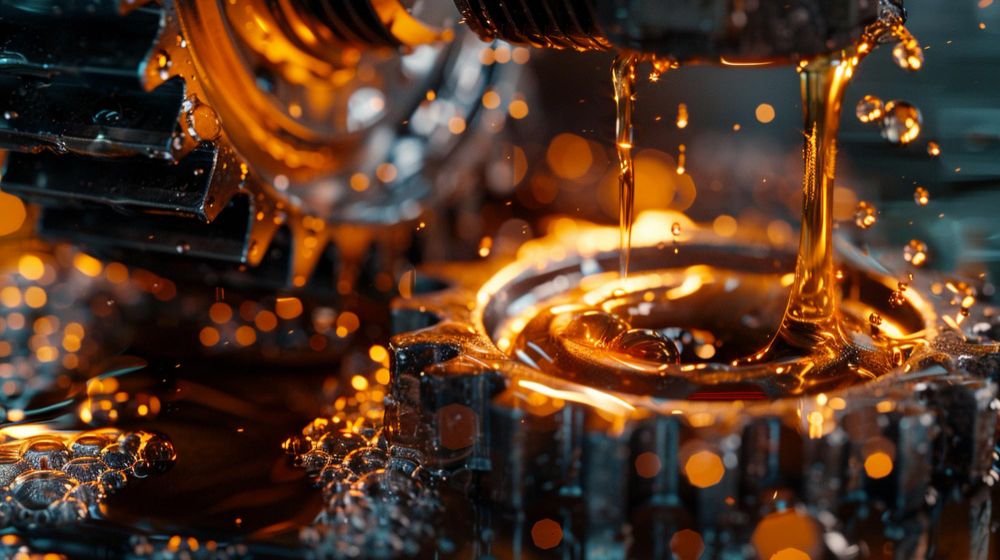

When it comes to maintaining the efficiency and longevity of mechanical systems, the role of lubrication cannot be overstated. Metal gears, in particular, are highly susceptible to wear, friction, and heat buildup. Selecting the best grease for metal gears is crucial to prevent breakdowns and ensure smooth operation. With the right grease, gears can operate efficiently, reduce maintenance costs, and extend the lifespan of machinery. In this article, we will explore various grease types specifically designed for metal gears and discuss their advantages, applications, and selection tips.
Understanding the Importance of Grease for Metal Gears
Metal gears are the backbone of many mechanical systems, ranging from automotive transmissions to industrial machinery. These gears experience constant contact, which generates friction and heat. Without proper lubrication, this friction can lead to excessive wear, noise, and even gear failure. Grease forms a protective film between gear surfaces, reducing metal-to-metal contact and minimizing friction.
Beyond reducing friction, grease also provides protection against rust, corrosion, and water ingress. It helps maintain operational efficiency even under high loads and extreme conditions. Choosing the correct type of grease can significantly improve gear performance, reduce energy consumption, and ensure safe operation. This is why understanding different grease types and their properties is essential for anyone working with metal gears.
Key Properties to Consider in Gear Grease
When selecting grease for metal gears, certain properties determine its effectiveness. Here are the most important factors:
Viscosity
Viscosity refers to the thickness of the grease and its ability to flow under pressure. A grease with the right viscosity ensures it stays in place on the gear teeth while providing sufficient lubrication. Low-viscosity grease may not form a durable film, while high-viscosity grease could increase resistance and reduce efficiency.
Load Carrying Capacity
Gears often operate under heavy loads, and not all greases can withstand high pressure without breaking down. High-performance greases contain additives that improve their load-carrying capacity, preventing metal wear even under extreme conditions.
Temperature Stability
Industrial and automotive gears can generate significant heat during operation. The selected grease must maintain its lubricating properties over a wide temperature range. High-temperature grease prevents softening, dripping, or breaking down, while low-temperature grease ensures proper flow in cold environments.
Water and Corrosion Resistance
Metal gears are prone to rust when exposed to moisture or humid environments. Greases with excellent water resistance form a protective barrier, keeping moisture away from the metal surface. Corrosion inhibitors further enhance protection and extend gear life.
Compatibility with Materials
Not all greases are compatible with all gear materials or seals. It’s essential to verify that the grease does not degrade rubber or plastic components in gear assemblies. Using the wrong grease can cause seal damage, leaks, and premature failure.
Common Types of Grease for Metal Gears
Selecting the right grease depends on the type of gears, operating conditions, and maintenance requirements. Here are some of the most popular grease types used for metal gears:
Lithium-Based Grease
Lithium-based grease is one of the most widely used greases for metal gears. It offers excellent stability, water resistance, and moderate temperature tolerance. This type of grease is ideal for automotive applications and light to medium industrial machinery. Lithium grease is easy to apply and provides reliable protection against wear and corrosion.
Calcium-Based Grease
Calcium-based grease is known for its strong water resistance and corrosion protection. While it has limited high-temperature performance, it is excellent for environments exposed to water or moisture. This type of grease is often used in marine applications or outdoor machinery where rust prevention is crucial.
Polyurea Grease
Polyurea greases are advanced lubricants that offer high-temperature stability, long service life, and excellent oxidation resistance. They are commonly used in electric motors, high-speed gears, and industrial machinery that require minimal maintenance. Polyurea greases provide consistent lubrication over extended periods, making them suitable for applications where frequent re-lubrication is difficult.
Molybdenum Disulfide (Moly) Grease
Moly grease contains solid lubricants that reduce friction in high-pressure applications. It is particularly effective for metal gears under heavy load or shock conditions. Moly grease forms a protective layer that prevents metal-to-metal contact even under extreme pressure, extending the lifespan of gears in demanding environments.
Aluminum Complex Grease
Aluminum complex grease is highly versatile and offers excellent water resistance, high-temperature performance, and mechanical stability. It is often used in automotive, industrial, and agricultural machinery. This grease type provides long-lasting protection and is suitable for applications with high mechanical stress.
Synthetic Grease
Synthetic greases are engineered to deliver superior performance under extreme temperatures and heavy loads. They offer longer service intervals, excellent thermal stability, and low friction properties. Synthetic greases are ideal for modern automotive transmissions and high-speed industrial gears. Though they tend to be more expensive, the long-term benefits often justify the cost.
Factors to Choose the Right Grease for Metal Gears
With so many options available, choosing the right grease can be challenging. Here are some key factors to guide your selection:
Operating Temperature
Consider the maximum and minimum operating temperatures of the gear system. High-temperature grease is required for engines, transmissions, and industrial machinery, while low-temperature grease is needed for cold climates or refrigerated systems.
Load and Pressure
Assess the load conditions the gears will experience. Heavy-duty gears under high stress require greases with high load-carrying capacity, such as moly or synthetic options. For moderate loads, lithium or calcium-based grease may suffice.
Environmental Conditions
Outdoor machinery or gears exposed to moisture need greases with excellent water resistance and corrosion inhibitors. In dusty or dirty environments, choose grease that maintains its protective properties and resists contamination.
Maintenance Frequency
Some greases require frequent reapplication, while others offer long service intervals. Polyurea and synthetic greases are ideal for reducing maintenance in hard-to-reach or continuously operating machinery.
Compatibility
Ensure the grease is compatible with gear materials, seals, and other lubricants already in use. Mixing incompatible greases can lead to breakdown, leaks, or reduced performance.
Best Practices for Applying Grease to Metal Gears
Even the best grease cannot perform optimally if applied incorrectly. Following proper application methods ensures maximum protection and performance:
Clean the Gears
Before applying new grease, clean the gears to remove old lubricant, dirt, and debris. Contaminants can reduce the effectiveness of the grease and accelerate wear.
Apply the Right Amount
Over-greasing can cause excess heat and energy loss, while under-greasing leaves gears exposed to friction. Apply an appropriate amount according to the manufacturer’s recommendation.
Use Proper Tools
Grease guns, brushes, or automated lubrication systems help ensure uniform application. Even coverage prevents dry spots and ensures the grease forms a consistent protective layer.
Monitor and Maintain
Regularly inspect gears for signs of wear, contamination, or grease degradation. Replace or replenish grease as needed to maintain optimal performance. Consistent maintenance is key to extending gear life.
Store Grease Properly
Store grease in a cool, dry place and keep containers sealed to prevent contamination. Avoid mixing different greases unless compatibility is confirmed, as this can compromise performance.
Advantages of Using High-Quality Gear Grease
Investing in high-quality grease brings several benefits that directly impact machinery performance and operational costs:
Reduced Wear and Tear
Proper lubrication minimizes metal-to-metal contact, reducing friction and preventing premature gear wear. This extends the lifespan of gears and associated components.
Improved Efficiency
Grease lowers friction, which reduces energy consumption in mechanical systems. Smoothly operating gears result in better performance and lower operating costs.
Noise Reduction
Metal gears can produce noise due to friction and vibration. High-quality grease dampens noise and ensures quieter operation, improving overall work environment comfort.
Corrosion Protection
Grease forms a protective barrier against moisture, rust, and other corrosive elements. This protection is particularly important in humid or wet conditions.
Cost Savings
Reduced wear, lower maintenance needs, and improved efficiency contribute to significant long-term cost savings. Choosing the right grease minimizes downtime and extends the service life of equipment.
Applications of Gear Grease in Automotive and Industrial Settings
Gear grease is widely used across multiple industries. Some common applications include:
Automotive Transmissions
Proper lubrication in manual and automatic transmissions ensures smooth gear shifting, reduces wear, and prevents overheating.
Industrial Machinery
Heavy-duty gears in manufacturing equipment, conveyors, and presses rely on grease to handle high loads and reduce friction.
Agricultural Equipment
Tractors, harvesters, and other farming machinery benefit from grease that protects gears from dirt, moisture, and mechanical stress.
Marine Applications
Boat and ship gears need grease with excellent water resistance to prevent corrosion and maintain smooth operation in harsh marine environments.
Household and Commercial Equipment
Grease is also used in elevators, HVAC systems, and other mechanical equipment where metal gears are present.
Selecting the Right Grease for Your Needs
Choosing the best grease for metal gears depends on understanding the specific requirements of your application. Consider the gear type, operating conditions, environmental factors, and maintenance practices. Consulting manufacturer guidelines or industry standards can also help ensure the correct grease selection.
Using automotive lubricants designed for gear systems ensures reliable performance, reduced maintenance, and longer equipment life. Whether in industrial machinery or automotive vehicles, selecting the right grease type is a critical step in maintaining operational efficiency.
Conclusion
Metal gears are fundamental to the operation of countless mechanical systems, and proper lubrication is essential to ensure their smooth and efficient performance. With a variety of grease types available, understanding their properties, applications, and best practices is key to making an informed choice. From lithium and calcium-based greases to advanced synthetic and moly formulations, each type offers unique advantages depending on operating conditions.
By investing in high-quality gear grease and following proper application and maintenance practices, machinery can achieve optimal performance, reduced wear, and long-lasting reliability. Whether for automotive transmissions or heavy industrial equipment, the right grease plays a pivotal role in keeping gears running smoothly. Always prioritize the correct selection and application of grease to maximize efficiency, protect metal components, and extend the lifespan of your equipment.
Ensuring your gears receive the best care starts with choosing the best grease for metal gears and leveraging trusted automotive lubricants for consistent performance.