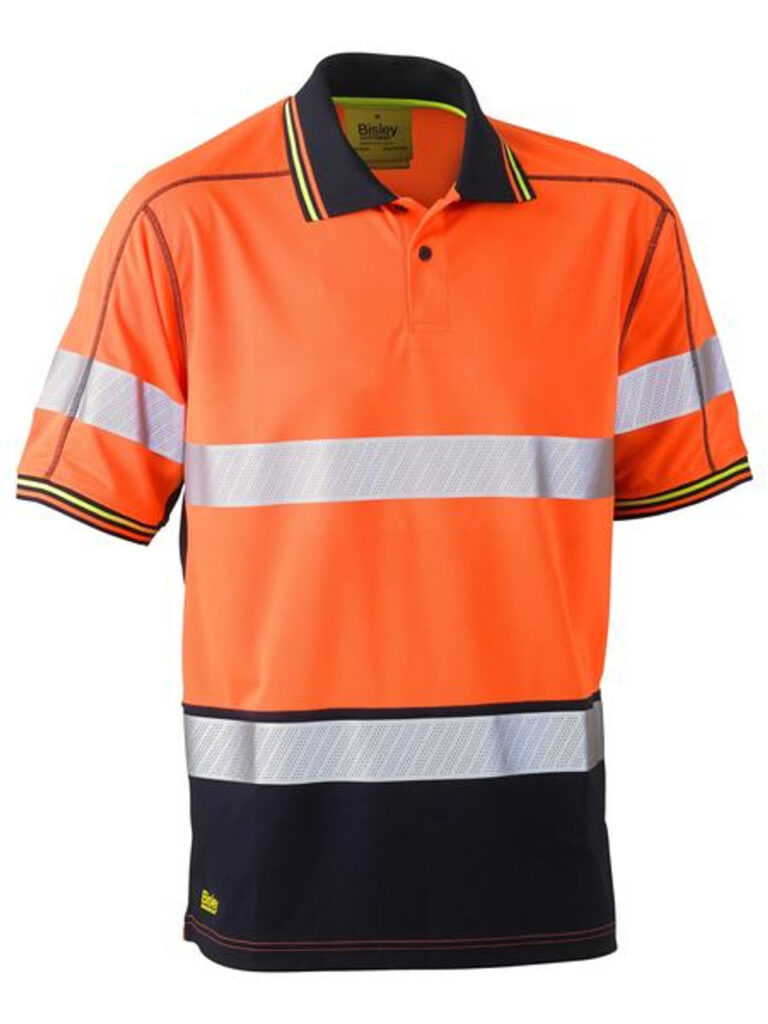

The workwear industry is evolving faster than ever before. From mining and construction to logistics, electrical, mechanical trades and commercial maintenance, today’s workforce expects performance-driven, durable and comfortable clothing that meets strict safety standards. At the same time, customers expect workwear clothing shops to deliver a modern, seamless shopping experience — whether in-store or through workwear online platforms. With 2025 approaching, the workwear market is more competitive than ever, and the stores for work clothes that stand out will be the ones that invest in customer-focused innovation.
Workwear retailers that want to remain relevant must provide not only high-quality products but also convenience, speed and professional support. This article highlights the key features that every modern workwear store should prioritise to build credibility and win customer loyalty in 2025.
1. A Full and Inclusive Sizing Range
Tradies come in all shapes and body types, and generic S–XL sizing isn’t enough anymore. Workers want clothing that fits well straight out of the box — not something that restricts movement, feels oversized or wears out early because of stress points.
Modern workwear clothing shops should stock:
- Inclusive men’s and women’s sizing
- Short and tall length options
- Plus sizes across all garments
- Consistency between products and brands
When workers feel comfortable, they perform better. A broad sizing range tells customers the store understands real-world job demands instead of taking a one-fit-for-all approach.
2. Verified Safety Certifications and Compliance Standards
Workwear isn’t fashion — it’s safety gear. The best stores for work clothes must provide clear compliance information to help buyers choose correctly for their industry.
Customers expect certification transparency for:
- Hi-vis clothing (AS/NZS 4602.1 and 1906.4)
- Fire-resistant and arc-rated protection
- Electrical hazard safety
- Chemical splash resistance
- Anti-static and dust-proof clothing
Providing compliance documentation increases customer confidence and protects businesses from buying non-compliant gear by mistake.
3. A Wide Variety of Trusted and Premium Brands
Workers prefer gear they can rely on. That means workwear online retailers and physical workwear shops must offer multiple brands instead of pushing one limited range.
Customers look for:
- Mining-grade and construction-grade clothing
- Lightweight, breathable options for summer
- Heavy-duty winter and wet-weather clothing
- Trade-specific footwear such as steel toe or composite boots
- PPE accessories including gloves, eyewear and helmets
Variety empowers customers to choose based on their industry needs, season, and personal preferences — not whatever happens to be in stock.
4. Fast Delivery, Easy Returns and Exchange Flexibility
Convenience is a major deciding factor in where tradies shop. Workers want the option to exchange sizes quickly or replace damaged gear without hassle.
What customers expect from workwear online platforms and in-store retailers:
- Same-day dispatch or express delivery options
- Click-and-collect and store pickup
- Clear return/exchange windows
- Prepaid or simplified exchange process
- Free shipping thresholds or loyalty perks
Fast and flexible exchange systems prevent job downtime and keep customers returning.
5. Hybrid Shopping Experience: Online + In-Store Support
The most successful workwear clothing shops today are not online-only or offline-only — they combine the best of both. Flexibility matters to modern tradies.
Key hybrid features include:
- Try on in-store, reorder online later
- Online size guides and real measurement charts
- Live chat or phone support for fit and compliance questions
- Real-time stock availability across stores
- Loyalty accounts usable both online and in-store
Whether a worker wants to shop via mobile phone on a jobsite or walk into a store to try on gear, hybrid systems make it seamless.
6. Expert Customer Support and Industry Knowledge
Workers don’t want generic customer service — they want knowledgeable advice. The best stores for work clothes employ staff who understand industry challenges and performance needs.
Ideal support services include:
- Recommendations based on trade or job type
- PPE and compliance guidance
- Help with bulk business orders and uniforms
- Specialist boot fitting and sizing consultations
When workers feel understood, their buying confidence skyrockets.
7. Competitive Pricing and Transparent Value
Customers don’t necessarily want the cheapest product — they want the best value. Leading workwear online retailers balance cost and quality by offering:
- Trade discounts and loyalty pricing
- Bundle offers (pants + shirt + boots)
- Multi-buy crew packs for businesses
- Seasonal sale events
- Price-match guarantees
Affordable doesn’t mean low quality — it means durability per dollar spent.
What 2025 Means for the Workwear Industry
Many workwear brands and retailers that fail to evolve will struggle to keep up. The growing mining, infrastructure and construction sectors demand professional suppliers who prioritise:
- Worker comfort and protection
- Faster delivery and easy sizing
- High-tech fabrics and safety innovation
- Simple and reliable purchasing experiences
Whether online or in-store, credibility in the workwear industry comes from selling the right gear — and making it as accessible as possible.
Final Thoughts
As 2025 approaches, workers want more than a rack of clothing — they want safety, flexibility, value and convenience. The workwear clothing shops that stand out will be the ones that combine trusted brands, strong compliance standards, a wide sizing range and expert support with fast and flexible purchasing options. With the continued expansion of workwear online, customers now have the power to compare, research and buy with confidence — and the stores for work clothes that embrace this shift are positioned to become long-term industry leaders.
A modern workwear shop is not just a store — it is a partner in worker safety, comfort and productivity.