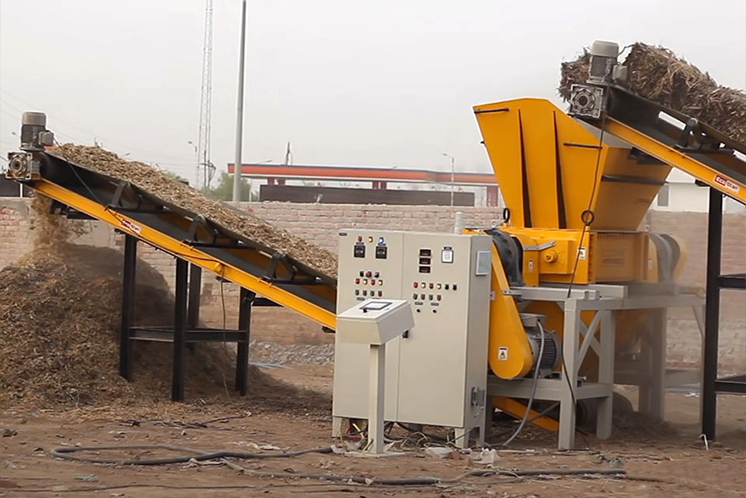

With rapid industrialization and urban growth, waste generation has increased at an alarming rate. Recycling industries play a crucial role in managing this waste sustainably. However, efficient recycling begins with proper size reduction and material handling. This is where an Industrial Waste Shredder becomes an essential machine. Designed to process large volumes of waste, these shredders help transform bulky industrial waste into reusable or recyclable materials.
Below, we explore the top benefits of using an Industrial Waste Shredder in recycling industries and why it has become a backbone of modern waste management systems.
1. Efficient Waste Volume Reduction
One of the biggest advantages of an Industrial Waste Shredder is its ability to significantly reduce waste volume. Industrial waste such as plastic drums, metal scraps, wood pallets, rubber, textiles, and electronic waste occupies large space when untreated.
Shredding reduces material size, making it easier to store, transport, and process further. Reduced volume leads to lower transportation costs and optimized storage, helping recycling plants operate more efficiently and economically.
2. Improved Recycling Efficiency
Recycling processes work best when materials are uniform in size. An Industrial Waste Shredder ensures consistent shredding, which improves the efficiency of downstream equipment like conveyors, separators, briquetting machines, and pellet mills.
By producing uniform feedstock, shredders minimize blockages, reduce machine wear, and ensure smooth processing. This directly increases overall recycling plant productivity and output quality.
3. Versatile Handling of Multiple Waste Types
Modern recycling industries deal with diverse waste streams. An Industrial Waste Shredder is designed to handle a wide variety of materials, including:
-
Plastic waste
-
Industrial packaging waste
-
Wooden logs and pallets
-
Rubber and tire waste
-
Textile and fabric waste
-
Municipal solid waste (MSW)
-
E-waste and cables
This versatility allows recycling units to process multiple waste types using a single machine, reducing the need for separate equipment and lowering capital investment.
4. Enhanced Safety and Compliance
Large, unprocessed industrial waste can pose serious safety hazards. Sharp metal edges, bulky materials, and unstable waste piles increase the risk of accidents in recycling plants.
Using an Industrial Waste Shredder helps break down waste into manageable pieces, improving workplace safety. Additionally, many environmental regulations require waste to be treated or reduced before disposal or recycling. Shredders help industries comply with pollution control norms and waste management laws.
5. Higher Value Recovery from Waste
Shredding is not just about disposal—it’s about value creation. Once waste is shredded, it becomes easier to segregate and process into recyclable fractions such as metals, plastics, biomass, or fuel.
For example:
-
Shredded wood waste can be converted into briquettes or pellets.
-
Shredded plastic can be reprocessed into granules.
-
Shredded metal can be melted and reused.
An Industrial Waste Shredder enables recycling industries to recover maximum value from waste, turning it into profitable raw material instead of landfill burden.
6. Reduced Environmental Impact
Landfills and open dumping cause severe environmental damage, including soil contamination, water pollution, and greenhouse gas emissions. Recycling industries equipped with Industrial Waste Shredders help reduce landfill dependency by enabling efficient waste processing and reuse.
Shredding supports a circular economy by ensuring materials remain in the production cycle for longer periods. This reduces the demand for virgin raw materials and lowers carbon emissions associated with extraction and manufacturing.
7. Energy-Efficient Waste Processing
Modern Industrial Waste Shredders are designed for high performance with optimized power consumption. Compared to traditional waste reduction methods, shredders process large volumes in less time, reducing energy usage per ton of waste.
When shredded waste is used as refuse-derived fuel (RDF) or biomass fuel, it further contributes to energy generation, making recycling plants more sustainable and cost-effective.
8. Automation and Time Savings
Manual waste handling is time-consuming and inefficient, especially at an industrial scale. An Industrial Waste Shredder automates the size-reduction process, allowing continuous operation with minimal human intervention.
Automation not only saves time but also reduces labor costs and human error. Recycling plants can achieve higher throughput while maintaining consistent quality standards.
9. Customization for Industrial Needs
Different industries generate different types of waste. Industrial Waste Shredders can be customized based on capacity, blade design, material type, and output size requirements.
Whether a recycling plant handles lightweight plastic waste or heavy-duty metal scrap, shredders can be tailored to meet specific operational needs. This flexibility makes them a long-term investment for growing recycling businesses.
10. Long-Term Cost Benefits
While the initial investment in an Industrial Waste Shredder may seem significant, the long-term savings outweigh the cost. Reduced transportation expenses, lower labor costs, higher recycling efficiency, and increased revenue from recycled materials all contribute to a strong return on investment (ROI).
Additionally, durable industrial shredders are built for continuous operation with minimal maintenance, ensuring reliable performance over many years.
Conclusion: Why Choose Ecostan Machines
In today’s recycling-driven economy, an Industrial Waste Shredder is not just an optional machine—it is a necessity for efficient, safe, and sustainable waste management. From reducing waste volume and improving recycling efficiency to supporting environmental protection, the benefits are undeniable.
Ecostan Machines, a trusted name in the biomass and recycling machinery industry, offers robust and high-performance Industrial Waste Shredders designed to meet diverse industrial requirements. Known for innovation, durability, and energy efficiency, Ecostan Machines delivers solutions that help recycling industries turn waste into valuable resources. With a strong commitment to quality and sustainability, Ecostan continues to support industries in building a cleaner and more resource-efficient future.