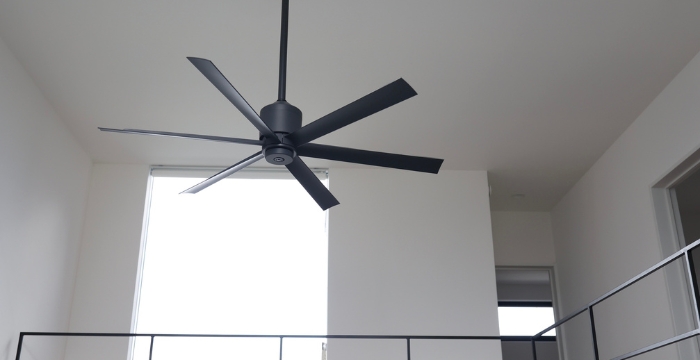

Factories and warehouses are the backbone of industrial operations, yet they are often the most challenging spaces to cool effectively. Large floor areas, high ceilings, heat-emitting machinery, and constant movement of goods create environments where traditional cooling systems struggle to perform. As energy costs continue to rise and industries place greater emphasis on worker comfort and efficiency, modern airflow solutions are becoming essential.
Among these solutions, hvls ceiling fans are gaining widespread adoption for their ability to deliver consistent airflow across large spaces while consuming minimal energy. Designed specifically for expansive industrial environments, they address multiple operational challenges at once, making them a valuable long-term investment for factories and warehouses.
Enhanced Air Circulation Across Large Areas
One of the most significant advantages of installing HVLS fans is their ability to circulate air evenly throughout large spaces. Unlike conventional fans that move air in limited zones, these systems create a gentle, continuous airflow that reaches every corner of the facility. This helps eliminate stagnant air pockets and uneven temperature distribution.
Improved circulation ensures that fresh air is constantly moving across the workspace, creating a more comfortable and breathable environment for workers on the floor.
Significant Reduction in Energy Consumption
Factories and warehouses often operate for long hours, making energy efficiency a top priority. HVLS fans are engineered to move massive volumes of air at low speeds, allowing them to cover wide areas using very little power. A single fan can often replace multiple smaller fans, reducing overall electricity usage.
By improving air circulation, these fans also reduce dependence on air conditioning systems. Facilities can maintain comfort at higher thermostat settings, leading to noticeable savings on energy bills over time.
Improved Worker Comfort and Productivity
Thermal discomfort can have a direct impact on employee performance and safety. Excessive heat and poor ventilation lead to fatigue, dehydration, and reduced concentration. Consistent airflow helps lower the perceived temperature, making the environment feel cooler without drastic changes in actual temperature.
When workers feel comfortable, they are more alert, productive, and less prone to heat-related stress. This creates a safer and more efficient workplace, particularly in physically demanding industrial settings.
Better Indoor Air Quality
Warehouses and factories often deal with dust, fumes, and humidity that can affect air quality. Continuous air movement helps disperse airborne particles and prevents moisture from settling in one place. This contributes to a cleaner and healthier indoor environment.
Improved air quality not only supports employee health but also protects stored goods and sensitive equipment from moisture-related damage.
Year-Round Temperature Balance
HVLS fans are not limited to summer cooling. During cooler months, warm air tends to rise and remain trapped near the ceiling, leaving working areas colder. These fans gently push warm air downward, balancing temperatures throughout the space.
This process helps reduce heating costs while maintaining consistent comfort levels across seasons. The ability to support both cooling and heating efficiency makes these fans a versatile solution for industrial facilities.
Lower Maintenance and Operational Costs
Industrial environments demand durable and reliable equipment. HVLS fans are built with robust components designed for continuous operation in demanding conditions. With fewer moving parts and simple mechanical design, maintenance requirements are minimal.
Lower maintenance needs translate into reduced downtime and long-term cost savings. For large facilities, this reliability is a key advantage over more complex cooling systems.
Flexible Installation for Different Facility Types
Factories and warehouses vary widely in layout, ceiling height, and operational needs. HVLS fans offer flexible installation options that can adapt to different building structures. Whether installed in new facilities or retrofitted into existing spaces, they integrate seamlessly without major structural changes.
This adaptability ensures that facilities can scale their cooling solutions as operations expand or layouts evolve, protecting the investment over time.
Supporting Sustainability and Compliance Goals
Energy-efficient airflow solutions align well with sustainability initiatives and green building standards. By lowering energy consumption and reducing reliance on air conditioning, HVLS fans help facilities decrease their carbon footprint.
As regulatory standards and environmental awareness increase, adopting efficient ventilation systems demonstrates a commitment to responsible and future-ready operations.
Conclusion
Installing HVLS fans in factories and warehouses delivers a wide range of benefits, from improved air circulation and energy savings to enhanced worker comfort and year-round temperature balance. Their ability to support productivity, sustainability, and cost efficiency makes them an essential component of modern industrial infrastructure.
With a strong focus on performance, reliability, and innovation, Wind Fan offers advanced airflow solutions designed to meet the demanding needs of factories and warehouses across India.