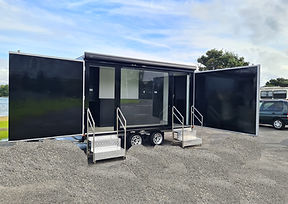

Launching a mobile food venture is one of the most exciting ways to enter the hospitality industry. It offers flexibility, lower overheads than a permanent restaurant, and the chance to bring your cuisine directly to hungry customers at events, markets, and busy streets.
Starting a mobile food business can be an exciting and profitable venture, but purchasing the right truck or trailer is a major investment that deserves careful planning. From compliance requirements to layout design and long-term operating costs, there are several factors that can make the difference between smooth daily service and costly setbacks.
Whether you’re launching your first venture or expanding an existing brand, this guide walks through the most important points to evaluate before committing to a mobile food truck for sale nz.
Know the Rules and Council Requirements
Every region has its own regulations governing mobile food operations, so understanding compliance early can save months of frustration.
Health and Food Safety Standards
Most councils require:
- Stainless-steel preparation surfaces
- Dedicated hand-wash sinks
- Separate wastewater tanks
- Food-grade storage areas
You’ll also need to operate under a registered Food Control Plan or National Programme.
Electrical and Gas Certification
Any gas appliances and electrical systems must be installed and certified to New Zealand standards. Ask suppliers whether these inspections, plus WOF and registration, are included in the purchase.
Pick the Right Size and Interior Layout
Food trucks and trailers vary widely in length, width, and ceiling height. The ideal size depends on:
- Your menu complexity
- Number of staff inside at peak hours
- Storage needs
- Cooking and refrigeration equipment
Plan for Efficient Workflow
A smart layout keeps staff safe and service fast. Look for:
- Clear prep-to-cook-to-serve flow
- Ventilation hoods over hot equipment
- Easy access to fridges and freezers
- Slip-resistant flooring
A well-planned interior saves seconds on every order—which adds up quickly during a lunch rush.
Assess Build Quality and Durability
Your truck or trailer will face long days, road travel, and changing weather. Poor construction leads to breakdowns, downtime, and lost revenue.
Signs of a Quality Build
- Heavy-duty chassis and suspension
- Marine-grade wiring
- Proper insulation
- Weather-resistant cladding
- Reinforced flooring
Always ask about warranties and after-sales servicing.
Equipment and Power Systems
Your cooking style determines what equipment you need—and that determines your power setup.
Common Installations Include:
- Fryers and griddles
- Coffee machines and grinders
- Refrigeration
- Ice-cream machines
- Hot-water systems
Generators, batteries, or external power connections must comfortably handle peak demand. Underpowered systems cause outages; oversized systems increase upfront cost. The goal is balance.
Planning Checklist
Before finalising your decision, it helps to follow a step-by-step approach. Explore this Food Trailer Buyer’s Guide to ensure nothing important is overlooked.
New, Stock, or Custom Builds?
Buyers typically choose between:
- Stock models – Faster delivery and set layouts
- Custom builds – Designed around your menu, branding, and workflow
Custom options are perfect for specialty concepts, but usually involve longer lead times.
Budget Beyond the Sticker Price
The purchase cost is only part of the investment. Remember to account for:
- Registration and certifications
- Signwriting and branding
- Insurance
- Council permits
- Initial maintenance
- Staff training
A full startup budget prevents unpleasant surprises once you’re ready to trade.
Think Long-Term
Where do you want the business to be in three years?
- Expanding the menu?
- Adding new appliances?
- Hiring more staff?
- Touring festivals and multi-day events?
Choosing a slightly larger unit or stronger power system now may prevent expensive upgrades later.
Supplier Reputation and Support
An experienced supplier should understand local compliance, help integrate equipment, and provide ongoing servicing.
Look for:
- Proven industry experience
- After-sales support
- Servicing options
- Past project examples
Strong guidance before and after purchase is just as valuable as the build itself.
Delivery Times and Logistics
Ask upfront about:
- Manufacturing or delivery timelines
- Nationwide transport
- Spare-parts availability
- Maintenance services
Clear expectations help you plan your launch date with confidence.
Frequently Asked Questions
A: How long does it take to get a food truck ready?
A: Stock units may be available in weeks, while custom builds can take several months depending on complexity.
Q: Do I need council approval before buying?
A: Not always, but understanding requirements early ensures the design will pass inspections later.
Q: What should I prioritise most?
A: Compliance and layout efficiency. These two factors affect daily operations more than anything else.
Q: Can I upgrade equipment later?
A: Yes, though it’s cheaper and easier to plan for upgrades during the initial build.
Q: Is financing available?
A: Many buyers use finance options arranged through suppliers or external lenders.
Final Thoughts
Buying a food truck in New Zealand is a strategic decision that blends regulation, design, durability, and long-term business planning. Taking the time to assess layout, power systems, supplier support, and future growth will position your venture for success from day one.
When you’re ready to take the next step, working with NZ Food Trailers can make the process smoother and more confident.