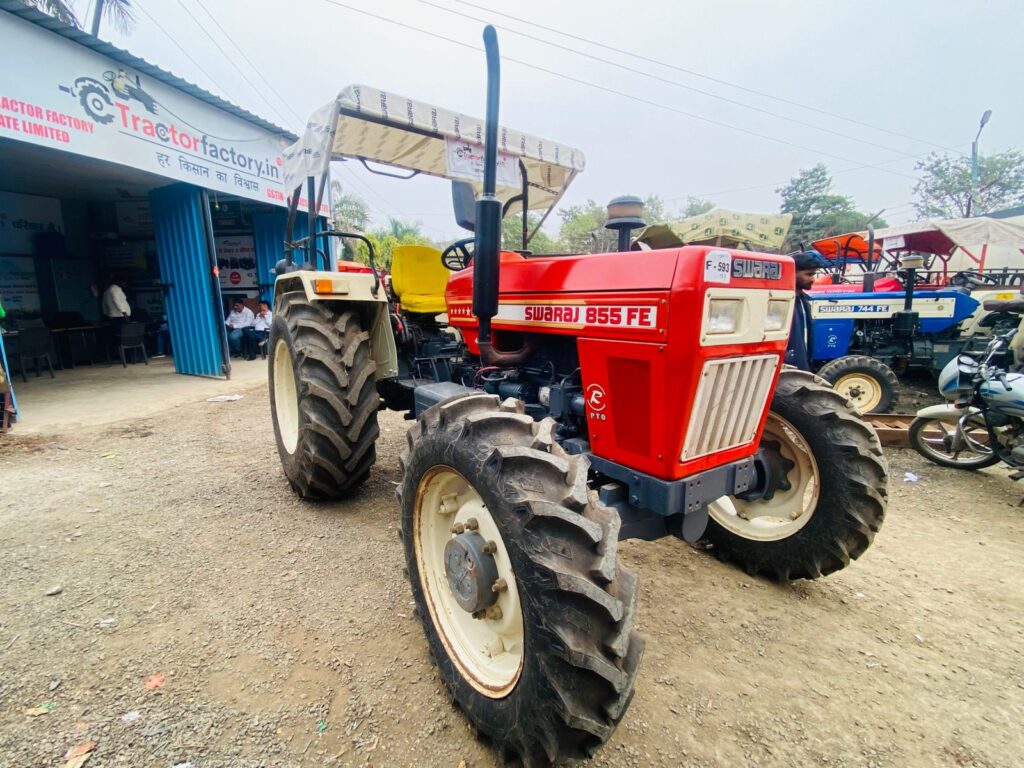

I didn’t grow up dreaming about tractors. I learned to respect them slowly, one stubborn start at a time. The first tractor I handled wasn’t shiny or new. The paint was tired. The seat had a tear patched with tape. But when that engine finally caught, the sound stayed with me. Not loud in a flashy way. Solid. Certain. A tractor doesn’t rush you. It asks you to slow down and work on its terms. That lesson alone is worth more than any manual.
What a Tractor Really Does Beyond Pulling a Plough
People think a tractor’s job is simple. Pull this. Lift that. But spend a few seasons with one and you realize it’s more like a partner. It hauls fertilizer in the morning, runs the rotavator by noon, and pulls a trolley loaded past its comfort zone by evening. A good tractor absorbs your mistakes quietly. A bad one reminds you of them every day. The difference shows up when the soil is heavy and the sky looks unsure.
Engine Feel Matters More Than Engine Numbers
Horsepower figures look nice on paper. Torque curves too. On the field, it’s different. You feel an engine before you trust it. How it responds when the soil turns sticky. How it sounds climbing a slight incline with a full load. Some engines feel relaxed even when working hard. Others always sound strained, like they’re complaining. I’ve learned to listen more than I look. The engine tells you when to push and when to back off.
Gearboxes and the Small Frustrations That Add Up
A tractor spends its life shifting. Forward. Reverse. Low. High. When the gearbox is smooth, you barely notice it. When it isn’t, your knee and shoulder notice every single day. On paper, most gearboxes look similar. In real work, the spacing between gears matters. Too wide and you’re always choosing between too slow and too fast. A good gearbox disappears into the work. That’s the best compliment I can give it.
Hydraulics Are Where Trust Is Earned
Hydraulics don’t get enough attention until they fail. When you’re lifting an implement at the end of a long day, you want predictable movement. No jerks. No delays. Just steady control. I’ve used tractors where the hydraulics felt vague, like guessing the response. Others felt precise, almost calm. That calm feeling matters when you’re tired and the light is fading. Good hydraulics don’t impress you loudly. They just don’t let you down.
Comfort Is Not a Luxury After Ten Hours
Old-school thinking says comfort doesn’t matter. I used to believe that. Then I spent ten hours straight on a tractor with poor seating and bad pedal placement. Comfort isn’t about softness. It’s about reach, posture, and fatigue. A well-placed clutch pedal saves your ankle. A decent seat saves your back. Over a season, those small comforts decide how much work you can do without feeling broken.
Fuel Use Becomes Personal Over Time
Fuel efficiency isn’t a marketing term when you’re paying for diesel yourself. You notice which tractor sips and which one gulps. More importantly, you notice when fuel use feels fair for the work done. A tractor that burns extra fuel without giving extra output feels dishonest. I track fuel mentally now. Not with charts. With experience. You remember which machine lets you work longer before refueling and which one always seems thirsty.
Maintenance Is a Relationship, Not a Chore
Every tractor demands attention. The difference is how it asks. Some are friendly. Filters are easy to reach. Grease points make sense. Others feel hostile, like they were designed without thinking about hands or tools. Over time, you grow closer to machines that respect your effort. Regular maintenance becomes routine, not resentment. A tractor that’s easy to care for tends to live longer, not because it’s stronger, but because it’s cared for properly.
New Tractors Versus Old Ones Is Not a Simple Choice
New tractors bring features that genuinely help. Better visibility. Easier steering. Cleaner engines. Old tractors bring something else. Familiarity. Simplicity. You can fix many older machines with basic tools and experience. New ones sometimes need laptops and specialists. I’ve seen farmers choose old tractors not because they can’t afford new, but because they value control. Neither choice is wrong. It depends on your work and your mindset.
Implements Decide Half the Experience
A tractor is only as good as what you attach to it. Poorly matched implements make even a strong tractor feel weak. A well-matched setup feels balanced, almost effortless. Weight distribution matters. So does hydraulic compatibility. I’ve learned to spend as much time choosing implements as choosing the tractor itself. When they work together, the fieldwork flows. When they don’t, everything feels heavier than it should.
Field Conditions Change the Tractor’s Personality
Dry soil makes every tractor feel capable. Wet soil reveals character. Mud exposes weaknesses fast. Traction, weight, tire choice, all come into play. I’ve driven tractors that felt confident on firm ground but nervous in softer conditions. Others stayed planted, steady, almost reassuring. You don’t forget how a tractor behaves when conditions turn difficult. That memory influences every future decision.
Sound and Vibration Tell Their Own Story
You don’t need instruments to know if something is wrong. The sound changes. The vibration feels different through the steering wheel. Experienced operators notice these things instinctively. A healthy tractor has a rhythm. When that rhythm breaks, you stop and check. Ignoring sound and vibration is how small problems become expensive ones. Listening is part of operating, not an extra skill.
Resale Value Is About Reputation, Not Age
Some tractors hold value no matter how old they are. That doesn’t happen by accident. It comes from years of reliability stories passed between farmers. When a model earns trust, it keeps it. Even worn examples find buyers. I’ve seen newer tractors struggle to resell because their reputation didn’t match their promises. In the long run, reputation outlives brochures.
Learning a Tractor Takes Time and Mistakes
You don’t master a tractor in a day. You learn its turning radius the hard way. You stall it once or twice. You misjudge an attachment. That’s normal. A good tractor forgives beginners. A bad one punishes them. Over time, movements become automatic. You stop thinking about controls and start thinking about work. That transition is satisfying in a quiet way.
Weather Tests Machines and People Alike
Heat exposes cooling systems. Cold exposes batteries and starting ability. Dust tests filters and seals. A tractor that works across seasons earns respect. I’ve waited nervously for engines to turn over on cold mornings, listening closely. When they do, relief feels physical. Weather doesn’t care about specifications. It only cares about preparedness.
Ownership Changes How You Look at Work
Driving someone else’s tractor feels different. You’re careful, but detached. Owning one makes you attentive. Every scratch matters. Every noise raises concern. That connection changes how you operate. You become smoother. More patient. Ownership turns a machine into responsibility. It also turns work into something more personal.
Why the Right Tractor Feels Invisible During Work
The best tractor I ever used didn’t impress me daily. It simply stayed out of the way. Controls made sense. Power was there when needed. No surprises. When a tractor lets you focus on the field instead of the machine, it’s doing its job perfectly. You finish the day tired from work, not from fighting equipment.
Final Thoughts From the Field, Not a Desk
A tractor isn’t just a purchase. It’s years of mornings, dust, fuel, repairs, and quiet satisfaction. Choosing one is less about features and more about fit. Fit for your land. Fit for your work. Fit for how you think. The right tractor doesn’t change who you are as a farmer. It supports how you already work. And when that happens, you don’t talk about the tractor much. You just get more done.