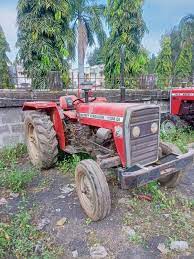

There is something about the sound of a tractor starting early in the morning. The air is still cool, the soil smells fresh, and the engine slowly comes alive. For many farmers, a tractor is not just a machine. It becomes part of daily life.
I remember the first time I drove one across a field that had been ploughed by bullocks for years. The difference felt almost unbelievable. Work that once took an entire day suddenly started finishing before lunch.
A tractor changes the rhythm of farming. It saves time, reduces effort, and brings a sense of control over the land. Anyone who has spent time in a field knows that feeling.
Why a Tractor Becomes the Backbone of a Farm
Farming is full of unpredictable situations. Rain might arrive early. Labour may not be available when the field needs work. Crops cannot wait.
That is where a tractor quietly becomes the backbone of the farm.
With one machine, several tasks become manageable. Ploughing, harrowing, hauling crops, transporting seeds, even running water pumps. A tractor rarely sits idle during the farming season.
Older farmers often say the same thing. The moment a tractor enters the farm, work starts moving faster. Decisions become easier because the farmer knows he has the power to act quickly.
The machine does not replace skill or knowledge. It simply supports it.
The First Time Driving Across a Field
The first drive is always memorable. The steering feels heavier than expected, and the engine vibration travels through the seat. At first, every sound makes you wonder if something is wrong.
But after a few rounds across the field, things begin to feel natural.
You learn how the tractor responds when turning at the edge of the land. You notice how the soil changes under the tyres. Wet soil behaves differently than dry soil.
It is not just driving. It is learning how the machine works with the land.
Some days the tractor feels smooth and powerful. Other days, you adjust gears slowly because the soil is stubborn.
That experience cannot come from reading manuals. It comes from time spent in the field.
How Tractors Reduce Physical Strain
Older farming methods demanded enormous physical effort. Walking behind bullocks while ploughing under the hot sun could exhaust anyone. By the end of the day, muscles ached and progress felt slow.
A tractor changes that reality.
Instead of pushing through exhaustion, the farmer sits behind the wheel. The machine handles the heavy pulling and deep soil cutting.
The difference is noticeable within days. Less fatigue means the farmer can manage more tasks in a single day. Planning improves. Energy is saved for important decisions rather than physical struggle.
Many farmers who switch to tractors often say one thing. Their body finally gets some relief.
Choosing the Right Tractor for Real Farm Conditions
Buying a tractor is not always about choosing the biggest engine or the newest model. The real question is simpler.
What kind of land are you working on?
Small farms with narrow pathways often need compact tractors that can move easily between fields. Large open farms may benefit from higher horsepower machines.
Soil type also plays a role. Heavy clay soil demands more pulling power than loose sandy land.
Then there is fuel efficiency. A tractor that drinks too much diesel can slowly increase farming costs. Farmers quickly notice which machines run longer on less fuel.
The best tractor is the one that fits the farm, not the one with the most impressive brochure.
The Importance of Regular Maintenance
A tractor may look tough and rugged, but it still needs care. Ignoring small issues often leads to bigger problems later.
Simple habits make a big difference.
Checking engine oil regularly. Cleaning air filters after dusty field work. Looking for loose bolts or worn belts.
Many experienced farmers walk around the tractor every morning before starting it. They look closely at tyres, leaks, and unusual marks.
This habit takes only a few minutes. Yet it prevents breakdowns in the middle of busy farming days.
A tractor that receives proper maintenance often runs smoothly for many years.
When a Tractor Becomes a Multi-Purpose Machine
One surprising thing about tractors is how many jobs they can handle. Most people think tractors only plough fields. That is just the beginning.
With the right attachments, the machine transforms into something else entirely.
A rotavator prepares the soil quickly. A trailer carries harvested crops to the market. Seed drills plant rows with precision.
Some farmers even use tractors to power water pumps, threshers, and small agricultural tools.
Instead of owning several machines, a single tractor can manage many responsibilities. That flexibility saves both money and space on the farm.
The Rising Value of Used Tractors
Not every farmer buys a brand-new tractor. Many prefer used machines that still perform well but cost much less.
A good used tractor often comes with a story. Maybe it worked on another farm for years, or perhaps it belonged to a careful owner who maintained it properly.
When buying a used tractor, farmers usually check a few important things. Engine condition. Hydraulic performance. Tyre wear. Gear shifting smoothness.
A short test drive reveals a lot.
If the engine sounds healthy and the machine pulls steadily, it can still serve many more seasons. For smaller farms, used tractors often become the smartest investment.
Life Lessons Learned Behind the Steering Wheel
Driving a tractor teaches patience. Fields rarely cooperate perfectly. Some days the soil turns easily, while other days it resists every movement.
You learn to slow down when the machine struggles.
You learn to listen to the engine tone. A slight change in sound might signal something small that needs attention.
There is also a quiet satisfaction that comes from finishing a long day of fieldwork. Watching the freshly prepared soil stretch across the land feels rewarding.
A tractor does not just help grow crops. It shapes the farmer’s routine and mindset.
The Future of Tractors in Modern Farming
Agriculture continues to evolve, and tractors are evolving with it. New machines now include better fuel systems, improved comfort, and smarter controls.
Some tractors even include digital displays and precision tools that help farmers manage land more efficiently.
Yet the heart of the machine remains the same.
A powerful engine. Strong tyres gripping the soil. A driver guiding the machine through rows of farmland.
No matter how advanced farming technology becomes, tractors will remain central to agriculture. They represent progress while still staying connected to the land.
Why Every Farmer Respects a Reliable Tractor
Ask any experienced farmer about the most valuable machine on the farm, and the answer often comes quickly.
Not because it is expensive or impressive. But because it works every single day when needed.
It pulls through muddy fields. It carries heavy loads. It starts early in the morning and keeps running until sunset.
Over time, the tractor becomes more than equipment. It becomes a dependable partner in farming life.
And anyone who has spent long hours in a field knows the truth behind that quiet relationship.