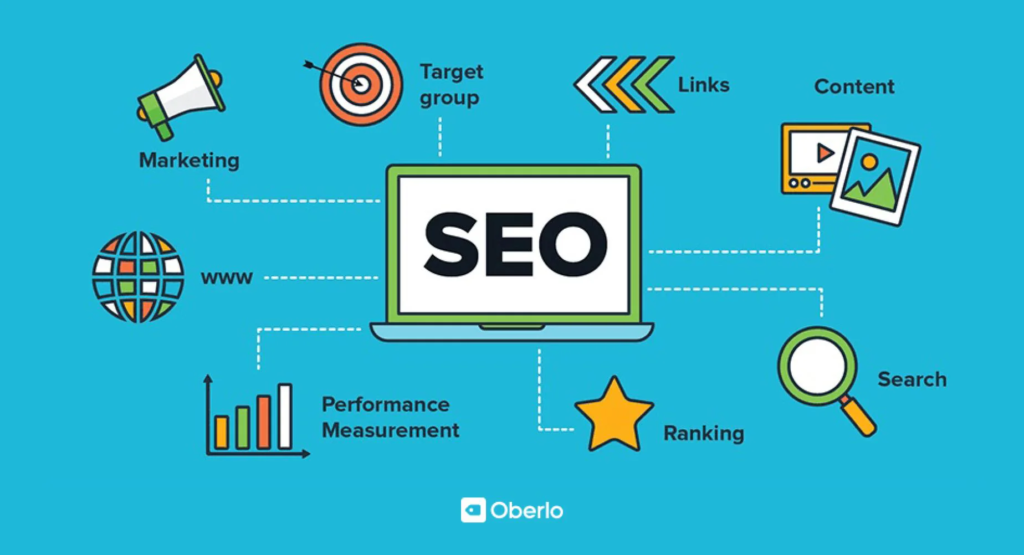

Search engines may seem simple on the surface—type a query, get results—but behind every search lies a complex system powered by advanced algorithms. These algorithms are constantly analyzing, learning, and refining how information is ranked and displayed. For anyone working in SEO, understanding how these systems think is the key to long-term success.
Modern SEO is no longer about guessing what works. It’s about aligning with the logic behind search algorithms and delivering exactly what they are designed to reward.
What Are Search Algorithms Really Looking For?
At their core, search algorithms have one goal: to provide users with the most relevant and helpful results. To achieve this, they evaluate content using a wide range of signals.
These signals include relevance to the query, content quality, user engagement, website performance, and credibility. Instead of relying on a single factor, algorithms combine all of these elements to determine which pages deserve attention.
This means there is no single “trick” to ranking. Success comes from balancing multiple factors effectively.
Relevance Is the Starting Point
Every search begins with relevance. Algorithms first analyze how closely your content matches the user’s query. This involves more than just keywords—it includes context, meaning, and intent.
For example, if someone searches for a guide, search engines will prioritize pages that provide step-by-step explanations. If they are looking for a product, transactional pages are more likely to appear.
Understanding this connection between query and content is essential. Without relevance, even high-quality content can struggle to rank.
Quality Signals Go Deeper
Once relevance is established, algorithms evaluate the quality of your content. This is where many websites fall short.
High-quality content is not just well-written—it is useful, accurate, and complete. It answers the user’s question in a way that feels satisfying. Thin or repetitive content, on the other hand, is quickly filtered out.
Search engines also look at how your content compares to others. If your page offers unique insights or better explanations, it has a stronger chance of standing out.
User Behavior as a Ranking Indicator
One of the most powerful signals in modern SEO is user behavior. Algorithms pay close attention to how users interact with your content.
Do they stay on your page or leave quickly? Do they explore other sections of your site? Do they return in the future?
These actions help search engines understand whether your content is truly valuable. A page that keeps users engaged sends a strong signal that it deserves more visibility.
This is why user experience plays such a critical role in SEO today.
The Importance of Technical Performance
While content is central, technical performance cannot be ignored. Fast loading times, mobile responsiveness, and secure connections all contribute to how algorithms evaluate your site.
A slow or poorly optimized website can negatively impact user experience, which in turn affects rankings. Even the best content can struggle if the technical foundation is weak.
Ensuring a smooth, reliable experience is an essential part of aligning with algorithm expectations.
Authority and Trust Signals
Algorithms also assess how trustworthy your website is. This includes factors such as backlinks, brand mentions, and overall reputation.
When other credible sources reference your content, it signals authority. Over time, this builds trust, making it easier for your pages to rank consistently.
Trust is not built overnight—it requires consistent quality and reliability. But once established, it becomes one of your strongest SEO assets.
Continuous Learning and Adaptation
Search algorithms are not static. They evolve constantly, learning from user behavior and adapting to new trends. This means SEO is never truly “finished.”
What works today may need adjustment tomorrow. Staying informed, monitoring performance, and updating content regularly are all essential practices.
Flexibility is what allows you to stay aligned with algorithm changes rather than being affected by them.
Aligning Strategy with Algorithm Logic
The most effective SEO strategies are those that align with how algorithms are designed to function. Instead of trying to manipulate rankings, focus on delivering what search engines are already looking for.
This includes creating valuable content, improving user experience, and building trust over time. When your strategy matches the goals of the algorithm, success becomes much more achievable.
Final Thoughts
The science behind search is complex, but its purpose is simple: connect users with the best possible information. Algorithms are constantly working to identify which content deserves attention—and they are getting better at it every day.
By understanding how these systems evaluate relevance, quality, behavior, and trust, you can build a strategy that stands the test of time. SEO is no longer about shortcuts or quick wins—it’s about alignment, consistency, and value.
In the end, the websites that succeed are not the ones that try to outsmart the algorithm, but the ones that work in harmony with it.