
Operating a large-scale facility means managing assets that are constantly under pressure. Keeping storage units free of heavy buildup is about much more than a simple cleaning task; it is a vital step for meeting strict environmental codes and protecting the structural integrity of your hardware. When sediment settles at the base of a container, it triggers a chain reaction of metal decay and product spoilage. For those overseeing tank cleaning in South Florida, staying ahead of this debris is the only way to avoid sudden mechanical failures and expensive legal penalties.
Extending the Life of Your Industrial Assets
Corrosion is a silent killer for steel and concrete tanks. Microbiologically Influenced Corrosion (MIC) happens when bacteria thrive in the stagnant layer of sediment at the bottom of a container. These organisms produce acidic byproducts that eat through metal surfaces much faster than standard oxidation.
Periodic removal of this “sludge layer” halts the chemical reactions that cause pitting. Think of it as preventative medicine for your infrastructure. A tank that is professionally serviced every few years can easily last double the lifespan of a neglected one. This saves millions in capital expenditure over the long term, as the cost of a cleaning project is a fraction of the price of a full tank replacement.
Ensuring Product Purity and Operational Efficiency
When solids accumulate, they reduce the usable volume of the tank. You might be paying for 50,000 gallons of storage but only effectively using 40,000 because the rest is occupied by hardened “heels” or debris. Furthermore, sediment can get sucked into pumps and filtration systems, leading to mechanical failures downstream.
For businesses dealing with fuels or food-grade products, contamination is a major risk. Old residue can mix with fresh batches, ruining the quality and leading to customer complaints or rejected loads. Keeping the interior surfaces polished ensures that every drop of product leaving the facility meets quality benchmarks.
The Specific Requirements for Tank Cleaning in South Florida
Regional climate plays a massive role in how storage systems age. In coastal areas, high humidity and salt air accelerate rust on the exterior, while warm temperatures can speed up the growth of algae and bacteria inside the tank. Tank cleaning in South Florida demands a specific focus on moisture control and vapor recovery to handle these unique environmental stressors.
Local regulations often reflect the fragile nature of the surrounding ecosystem, such as the Everglades or coastal aquifers. Companies operating here must ensure their wash water is captured and processed correctly, rather than allowed to run off into storm drains.
Managing Specialized Waste: Car Wash Pit Cleaning
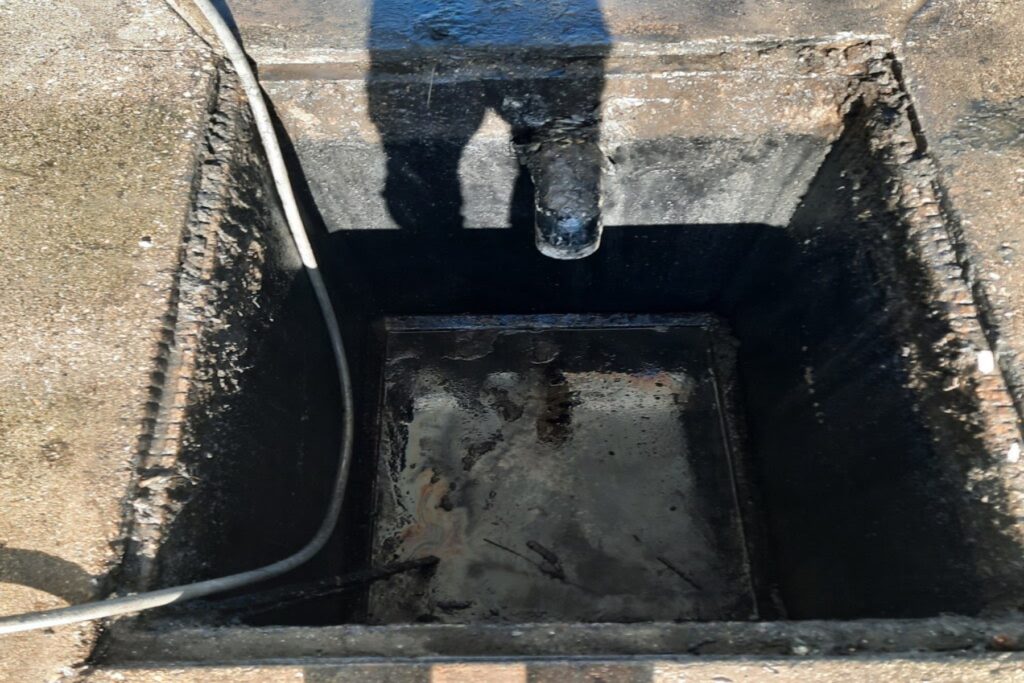
Not all tanks are vertical cylinders. Some of the most labor-intensive maintenance involves underground catch basins and interceptors. Car wash pit cleaning is a perfect example of why specialized vacuum equipment is necessary. These pits collect a heavy mix of:
- Fine sand and grit from vehicle undercarriages
- Waxes and chemical detergents
- Oil and grease runoff
- Heavy metals from brake dust
If these pits aren’t emptied, the solids flow into the municipal sewer lines, causing blockages that lead to massive municipal surcharges. Professional extraction ensures these materials are hauled to a licensed treatment facility rather than clogging up the local infrastructure.
Environmental Stewardship and Waste Disposal
What happens to the gunk once it leaves the tank? Responsible management includes a clear chain of custody for all extracted waste. Whether it is hazardous chemicals or non-hazardous sludge, every gallon must be tracked from the site to its final destination.
Using a service provider that prioritizes waste minimization can help lower costs. Some technologies allow for the separation of liquids and solids on-site, meaning the facility only pays to transport the heavy material while the filtered water is handled through standard channels. This reduces the carbon footprint of the maintenance project and aligns with modern “green” corporate initiatives.
Pro-Vac Sludge Services: A Resource for Industry
Pro-Vac Sludge Services operates as a specialized provider for organizations needing heavy-duty waste removal and liquid storage maintenance. The company handles the complexities of extraction, transportation, and compliant disposal, allowing facility managers to focus on their primary operations. By deploying high-capacity vacuum trucks and trained technicians, the team addresses the buildup that threatens both equipment health and environmental safety. Their work ensures that industrial systems remain functional and compliant with the various layers of local and federal oversight.