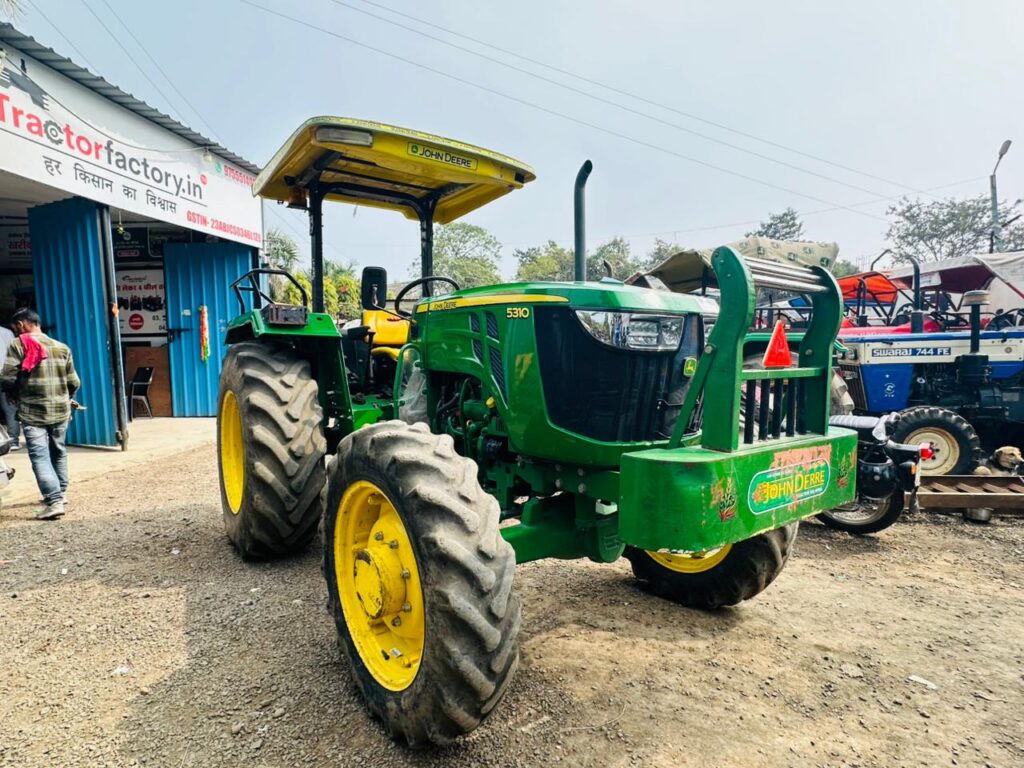

There’s something about a used tractors that a brand-new one just doesn’t have. Maybe it’s the stories hidden in the scratches, or maybe it’s just the price tag that feels a bit more… realistic. Either way, if you’ve ever spent time around farms—or even just talked to someone who has—you’ll know that buying a used tractor isn’t just a transaction. It’s a decision that sticks with you for years.
I’ve been around tractors long enough to know that not all second-hand machines are equal. Some are absolute workhorses. Others… well, they look good until you actually try to use them. So if you’re thinking about stepping into the world of Used Tractors, let me walk you through what really matters—no fluff, just honest experience.
Why Used Tractors Still Make Sense Today
Let’s be real for a second—new tractors are expensive. Not just a little expensive, but sometimes “rethink your entire budget” expensive. That’s where used tractors come in.
A well-maintained old tractor can do almost everything a new one does, especially for regular farming tasks like plowing, tilling, and hauling. In fact, many farmers I know prefer older machines because they’re simpler. Fewer electronics. Less that can go wrong.
And honestly, when you’re working long hours in the field, reliability matters more than fancy features.
The First Thing I Check (And You Should Too)
Before anything else, I always look at the engine. Not the paint, not the tires—the engine.
Start it cold. That’s important. A tractor that only runs smoothly after warming up might be hiding problems. Listen closely. A steady sound is good. Knocking or uneven noise? That’s a warning sign.
Also, take a look at the exhaust. Too much black smoke usually means incomplete fuel burning. Blue smoke? Oil issues. Neither is something you want to deal with later.
It’s a small habit, but it saves a lot of trouble.
Hours Matter—But Not the Way You Think
People often ask, “How many hours is too many?” And I usually say—it depends.
A tractor with high hours but proper maintenance can outlast a low-hour machine that was neglected. I’ve seen tractors with over 5000 hours still running strong, simply because the owner took care of them.
Check service records if available. Even small details like regular oil changes or filter replacements tell you a lot about how the machine was treated.
The Feel of the Machine Tells a Story
This might sound a bit strange, but you can actually feel a good tractor.
When you drive it, notice how it responds. Is the steering smooth? Do the gears shift easily? Does the clutch feel too loose or too tight?
I remember once testing an old tractor that looked perfect from the outside. Fresh paint, polished body… everything. But the moment I drove it, something felt off. The steering had a slight delay, and the clutch was uneven. Turned out, it had internal wear that wasn’t visible.
That experience stuck with me.
Tires, Hydraulics, and the “Hidden Costs”
Here’s where many buyers make a mistake—they focus only on the purchase price.
Tires can be surprisingly expensive. If they’re worn out, that’s an extra cost right away. Same with hydraulics. Check if the hydraulic system lifts smoothly and holds weight without dropping.
Leaks, even small ones, can become big problems later. And fixing hydraulics isn’t always cheap.
So when you’re evaluating used farm equipment, always think beyond the initial price.
Popular Choices in the Used Tractor Market
Over the years, I’ve noticed that certain brands tend to hold up better in the second-hand market. Machines known for durability and easy maintenance are usually safer bets.
Models from trusted brands often have better resale value and easier availability of spare parts. And trust me, when something breaks—and it eventually will—you don’t want to spend weeks searching for a simple component.
This is especially important in rural areas where access to parts can be limited.
Where to Find Reliable Used Tractors
Finding the right tractor isn’t always easy, but there are a few places that usually work well.
Local dealers are a good starting point. They sometimes refurbish tractors before selling, which adds a bit of confidence. Then there are online platforms for second-hand tractors, which have grown a lot in recent years.
Still, I prefer seeing the machine in person whenever possible. Photos can hide a lot. A quick visit can reveal things you’d never notice online.
And if you can, take someone experienced along with you. A second pair of eyes helps.
Negotiation Is Part of the Process
Here’s something people don’t talk about enough—negotiation.
The price you see is rarely the final price. Point out issues, even small ones. Worn tires, minor leaks, faded paint… everything counts.
But don’t go overboard. Be fair. Sellers are more likely to cooperate if they feel you’re being reasonable.
I’ve had deals where a simple, honest conversation saved me a decent amount of money.
Maintenance After Purchase: Don’t Skip This
Once you’ve bought the tractor, don’t just start using it immediately. Give it a proper check.
Change the engine oil. Replace filters. Inspect belts and hoses. Even if the seller says everything is fine, it’s better to be sure.
Think of it like this—you’re resetting the machine’s life under your ownership.
This step often gets ignored, but it makes a huge difference in long-term performance.
The Emotional Side of Buying Used
This might sound odd, but buying a used tractor is sometimes emotional.
You’re not just buying a machine—you’re buying something that’s already lived a working life. It’s been part of someone else’s routine, their daily grind.
I’ve met farmers who remember exactly where they bought their tractor and what they paid for it, even after ten years. That connection is real.
And when you find the right one, you’ll feel it. It just clicks.
Is a Used Tractor Right for You?
Not everyone needs a brand-new machine. In fact, for many small to medium farmers, used tractors are the smarter choice.
They’re affordable, practical, and—if chosen carefully—just as dependable.
But they do require a bit more attention. A bit more patience. You can’t rush the process.
If you’re willing to put in that effort, the reward is worth it.
Final Thoughts: It’s Not Just About Saving Money
At the end of the day, buying a used tractors isn’t just about spending less. It’s about making a smart, informed decision.
Take your time. Look beyond the surface. Trust your instincts, but also back them up with careful checks.
Because when you find a good tractor—one that starts every morning without fuss and keeps going till the work is done—it doesn’t matter if it’s new or old.
It just matters that it works. And sometimes, that’s more than enough.