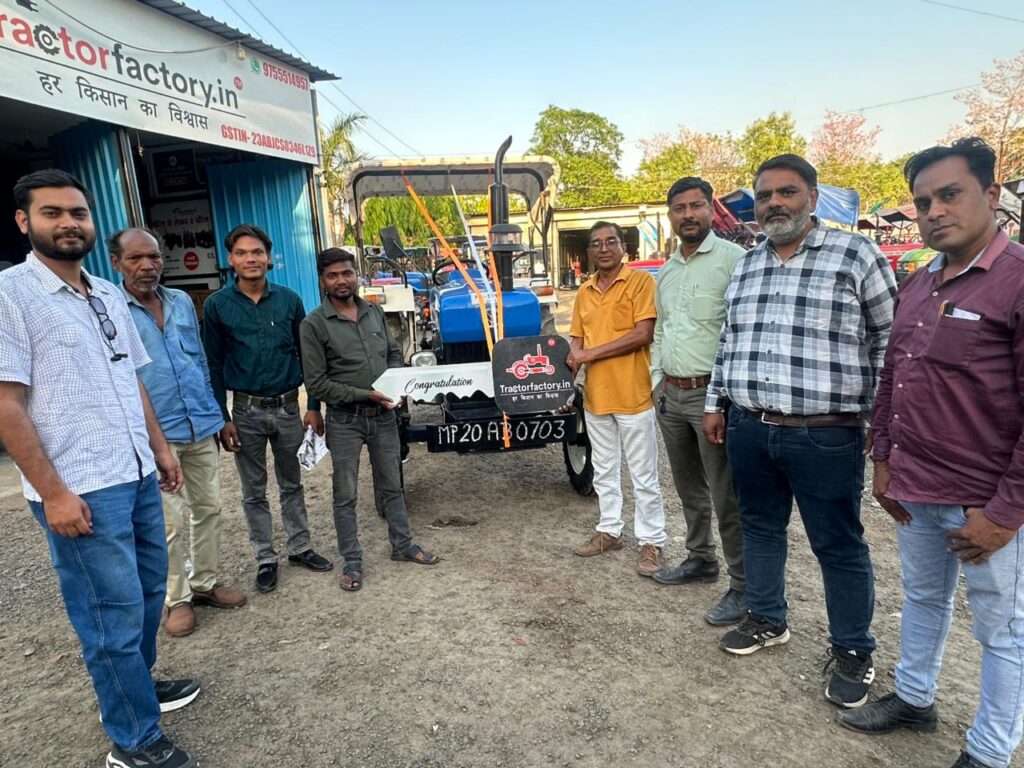

There’s something about a tractor that doesn’t really make sense until you’ve spent time with it. On paper, it’s just a machine—metal, engine, tires. But out in the field, early morning, when the air is still a bit cold and the soil hasn’t been touched yet… it feels like more than that.
I didn’t fully understand tractors until I started using one regularly. Before that, I thought horsepower numbers and brand names were all that mattered. Turns out, comfort, reliability, and even how the gear lever feels in your hand can make a big difference by the end of a long day.
Let’s talk about tractors the way they actually are—practical, imperfect, and absolutely essential.
What a Tractor Really Means on the Ground
A tractor isn’t just for ploughing fields. That’s the basic idea, sure, but in reality, it becomes part of your routine.
You use it to haul crops, carry fertilizers, pull water tankers, sometimes even give someone a lift to the next village. I’ve seen tractors being used for everything from leveling land to powering small machines.
And honestly, once you get used to having one around, it’s hard to imagine working without it.
There’s also a kind of rhythm to it. The sound of the engine, the slight vibration through the seat—it becomes familiar. Not annoying, just… expected.
The First Time You Drive a Tractor
The first time I sat behind the wheel, I thought, “This is going to be easy.”
The clutch felt heavier than expected. Steering needed effort, especially at low speed. And getting the gear right without that grinding sound? Took a few tries.
You start understanding how much throttle is enough, how deep the plough should go, how to turn without messing up the row. It’s not complicated, but it does demand attention. You can’t just zone out like you might in a car.
Choosing the Right Tractor Is Not That Simple
People often ask, “Which is the best tractor?”
There isn’t one answer.
It depends on your land, your work, and honestly, your budget. A small farm doesn’t need a huge machine. And a big farm won’t manage with a lightweight one.
When I was helping a friend choose his first tractor, we looked at things like:
- Engine power (but not just max power—usable power matters more)
- Fuel efficiency (diesel costs add up fast)
- Ease of maintenance
- Availability of spare parts
- Local service support
One thing I’ve learned the hard way: even the best tractor is a headache if service isn’t available nearby.
Used Tractors: A Smart Choice If You’re Careful
Buying a used tractor can save a lot of money. But you have to be careful. Really careful.
I’ve seen tractors that looked great from outside but had engine issues waiting to show up. And I’ve seen older ones that worked perfectly because the owner maintained them properly.
If you’re considering a used tractor, here’s what I usually check:
- Engine sound (any unusual knocking?)
- Smoke from exhaust (black or white can mean trouble)
- Tire condition
- Hydraulics (very important, often ignored)
- Service history, if available
Sometimes, spending a little more upfront saves you from constant repairs later. That’s something many people learn after a few bad purchases.
Daily Maintenance: The Small Habits That Matter
Owning a tractor isn’t just about using it. It’s about taking care of it—regularly, even when you feel lazy.
Simple things make a big difference:
- Checking engine oil before starting
- Cleaning the air filter
- Watching for leaks (oil or coolant)
- Keeping the radiator clean
I’ll admit, there were days I skipped checks thinking, “It’ll be fine.” And usually, that’s when something goes wrong.
A tractor doesn’t demand much, but it doesn’t like being ignored either.
Fuel Efficiency: More Important Than You Think
When you’re using a tractor occasionally, fuel cost doesn’t seem like a big deal.
But when it becomes part of your daily work… it adds up quickly.
A fuel-efficient tractor can save a surprising amount over time. Not in one day, but over months and seasons.
Driving style also matters. Sudden acceleration, unnecessary idling—it all wastes fuel. Once you become conscious of it, you naturally start driving smoother.
It’s not about being perfect. Just a little mindful.
Attachments Change Everything
A tractor alone is useful, but attachments are what make it powerful.
Ploughs, cultivators, seed drills, trailers… each one turns the tractor into something else.
I remember the first time I used a rotavator. It completely changed how the soil looked—finer, more even, ready for sowing. It saved hours of manual work.
That’s the thing about farm equipment—it’s not just about speed. It’s about doing the job better.
The Comfort Factor Nobody Talks About Enough
This might sound small, but it’s not.
If you’re sitting on a tractor for 5–6 hours a day, comfort matters.
Seat cushioning, vibration levels, gear placement—these things start to matter more than engine specs after a while.
I’ve used tractors where the seat felt like a wooden board. By the end of the day, your back reminds you of every bump in the field.
Now, whenever I look at a tractor, I always sit on it first. If it doesn’t feel right, I don’t even consider it seriously.
Breakdowns Happen—And They Teach You a Lot
No matter how good your tractor is, one day it will stop working at the worst possible time.
Usually when you’re in the middle of something important.
I’ve had a tractor stall right in the field during peak season. Not fun.
But those moments teach you things:
- Basic troubleshooting
- How to stay calm instead of panicking
- Which parts fail more often
Over time, you start recognizing small warning signs before a bigger issue happens.
The Emotional Side of Owning a Tractor
This might sound strange to someone who hasn’t worked with one, but tractors carry a bit of emotion too.
They’re not just machines you replace every year. People keep them for decades. Repair them, repaint them, upgrade parts… but rarely let them go easily.
I’ve seen families pass down tractors from one generation to the next.
It becomes part of the farm’s identity in a way.
Modern Tractors vs Traditional Ones
New tractors come with better features—power steering, improved hydraulics, even digital displays.
They’re easier to handle, no doubt.
But older tractors have their own charm. They’re simpler. Easier to repair in some cases. Less dependent on electronics.
I’ve worked with both, and honestly, each has its place.
If you want convenience, go modern. If you value simplicity and ruggedness, older models still hold their ground.
Final Thoughts: It’s More Than Just a Machine
If you’ve never spent time with a tractor, it’s easy to underestimate it.
But once you do—once you’ve driven it across uneven land, fixed a small issue yourself, or relied on it during a busy season—you start seeing it differently.
It becomes part of your workflow, your routine, even your thinking.
A good tractor doesn’t just make work easier. It gives you a bit of confidence. Like, no matter how much work is ahead… you’ve got something reliable to depend on.