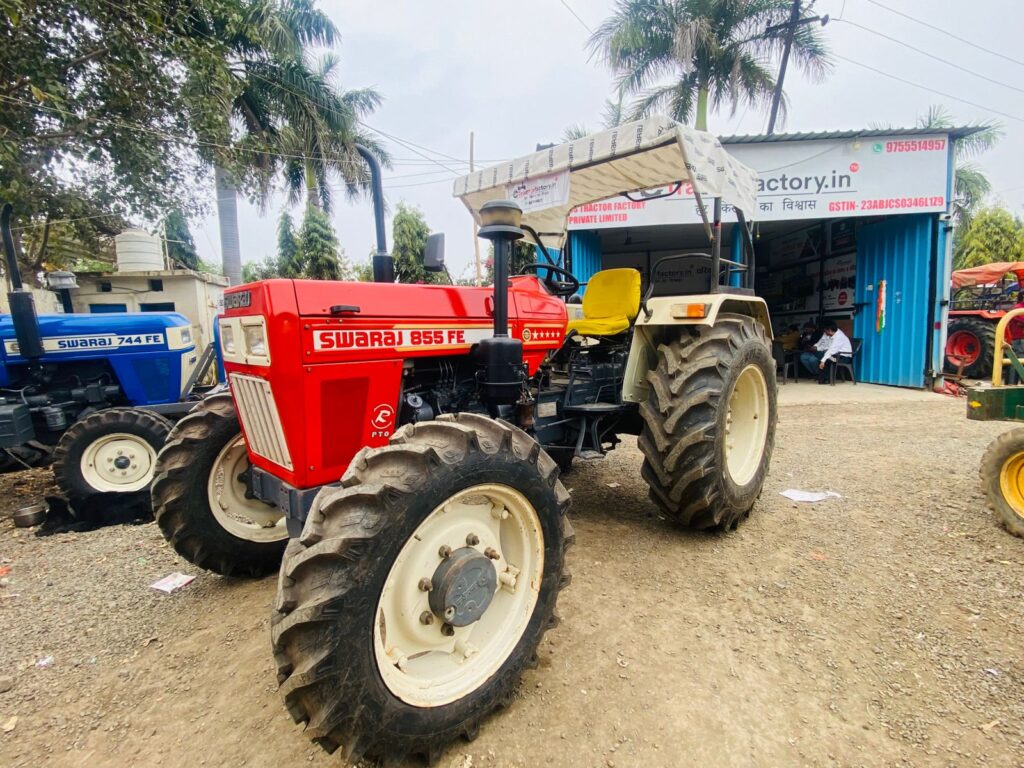

Buying a second hand tractor is not a shortcut. It’s a choice made after seeing how machines really age in the field. I’ve worked with both new and used tractors, and I can say this without hesitation—used tractors earn their place, one season at a time.
A tractor isn’t like a phone or a car. It doesn’t become useless because a newer model exists. What matters is how it was driven, how it was serviced, and who respected it when no one was watching.
Why Second Hand Tractors Still Dominate Real Farms
Most farms don’t run on showrooms and glossy brochures. They run on timing, weather, and budgets that don’t stretch just because a dealer says so. A second hand tractor fits that reality better than most people admit.
Older tractors were built with less electronics and more metal. You feel it when you climb on. The controls are direct. The sound is familiar. There’s less guessing involved. When something feels off, you notice it early.
For small and mid-size farmers, used tractors often mean the difference between expanding acreage or standing still for another year.
The Feel of a Tractor That Has Already Worked
A used tractor tells you its story the moment you start it. Cold start behavior matters. Engine vibration matters. Gear engagement tells you more than paperwork ever will.
Some tractors feel tired. Others feel settled, like they know their job. That’s not something you learn from specs. That comes from seat time.
I’ve driven tractors with 5,000 hours that felt tighter than some new ones. Maintenance habits leave fingerprints everywhere.
Price Isn’t the Only Reason, But It’s a Big One
Let’s be honest. Money matters. A second hand tractor can cost 30 to 60 percent less than a new one, sometimes more. That saved amount doesn’t just sit in the bank. It goes into implements, fuel, repairs, or even labor.
Lower purchase cost also reduces stress. You’re not afraid to work the machine hard. You don’t hesitate to take it into rough fields. That freedom has value.
Insurance and registration costs also stay lower, which quietly helps year after year.
Understanding Hours Without Obsessing Over Them
People get stuck on hour meters. Hours matter, yes, but context matters more.
A tractor that ran steady RPMs on flat land can age better than one used sporadically in harsh conditions. Idle hours count too, and not all meters tell the full truth.
Look at pedals. Look at steering play. Look at hitch wear. These signs don’t lie easily.
A well-kept 8-year-old tractor can outperform a neglected 4-year-old one without apology.
Engine Health Is the Real Heart Check
The engine doesn’t need to be perfect. It needs to be honest.
Check for uneven exhaust smoke. Listen for knocking sounds that don’t settle. Oil leaks aren’t always deal-breakers, but fresh oil hiding old problems is.
Compression matters more than shine. A dusty engine that starts cleanly often beats a washed one that struggles.
Ask about oil change intervals. Farmers who remember those details usually remember the rest too.
Transmission and Clutch: Where Problems Get Expensive
Engines can be repaired. Transmissions hurt the pocket.
Test every gear under load if possible. Feel for slipping, grinding, hesitation. A clutch that engages too high or too low is sending you a message.
Hydrostatic systems should feel smooth, not jumpy. Manual gearboxes should feel predictable, even if slightly stiff.
Repairs here can erase the savings of buying used, so this part deserves patience.
Hydraulics Tell the Truth Quietly
Hydraulics don’t shout when they fail. They whisper first.
Check lift speed. Check response time. Watch how long an implement holds position. Slow leaks often show up only after a few minutes.
Hydraulic repairs aren’t always catastrophic, but ignoring them turns small jobs into long ones.
Good hydraulics make daily work easier in ways people underestimate.
Tires, Cosmetics, and the Myth of Looks
Tires are expensive. Cracked sidewalls, uneven wear, or mismatched pairs add cost quickly. That said, ugly paint means very little.
Sun-faded panels don’t reduce pulling power. Dents don’t affect PTO output.
Some of the best tractors I’ve used looked rough and worked flawlessly. Don’t pay extra for shine unless you enjoy polishing more than plowing.
Paperwork, Ownership, and Quiet Red Flags
Always check ownership records. Serial numbers should match documents. Missing papers cause trouble later, not sooner.
Be cautious if the seller avoids basic questions or rushes the deal. A genuine owner usually talks too much, not too little.
Service records are rare but valuable. Even verbal maintenance history helps build trust.
Matching the Tractor to Your Actual Work
Bigger isn’t always better. Horsepower should match your implements, soil type, and field size.
A second hand tractor that fits your work will outperform an oversized one that wastes fuel and space.
Think about turning radius. Think about transport width. Think about how many hours you’ll realistically use it.
Practical matching saves more money than chasing numbers.
Where Second Hand Tractors Shine the Most
Used tractors are perfect for secondary tasks. Hauling. Spraying. Light tillage. Backup during peak season.
They’re also ideal for new farmers learning without financial pressure. Mistakes cost less when the machine already has a few scars.
Many farmers eventually prefer their older tractor over the newer one, simply because it feels familiar.
Buying From Dealers vs Individual Owners
Dealers offer inspection, limited warranties, and smoother paperwork. You pay more, but you buy peace of mind.
Individual owners often offer better prices and more honest stories. You see how the tractor lived, not just how it looks today.
There’s no universal winner here. The right choice depends on your risk comfort and mechanical knowledge.
Transport and Hidden Costs People Forget
Transport adds up. A cheap tractor far away may not stay cheap after delivery.
Factor in initial servicing. Fluids. Filters. Small fixes you’ll want to do immediately.
Budget a buffer. Used tractors reward preparedness and punish assumptions.
Resale Value: The Exit Plan Matters
A good second hand tractor holds value well. Sometimes shockingly well.
If you buy right, maintain it decently, and avoid abuse, resale becomes an option rather than a worry.
That flexibility matters when plans change or upgrades become possible.
Why Experience Beats Opinion in This Market
People love to argue about brands, years, and models. Experience cuts through that noise.
I trust tractors that start every morning, pull without complaint, and don’t surprise me at harvest time.
Second hand tractors succeed quietly. They don’t chase attention. They just work.
Final Thoughts From the Field
A second hand tractors is not a compromise. It’s a practical decision shaped by real work and real limits.
If you inspect carefully, listen closely, and buy with purpose, a used tractor can serve you longer than expected and better than promised.
The field doesn’t care if your tractor is new. It only cares if it shows up and does the job.