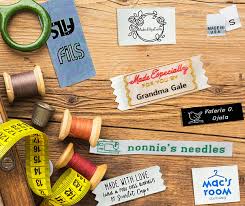

Custom sew-in labels for clothing might seem like a small detail in garment production, yet they carry powerful influence on how customers perceive your brand. These sewn-in tags aren’t just functional identifiers; they are subtle ambassadors of quality that reinforce credibility, build trust, and elevate the perceived value of every piece of apparel they adorn. For brands navigating a crowded marketplace, the tiniest accents often make the biggest impressions, and sew-in labels sit at the intersection of design, comfort, and emotion.
Labels connect the garment and the wearer. When thoughtfully designed, they offer more than brand names or size information they serve as a deliberate touchpoint that reflects an apparel brand’s ethos. Whether customers are buying their first piece or adding to a growing wardrobe, encountering a well-crafted label inside a garment builds confidence and communicates that the brand cared about every last detail. This emotional impact is subtle but measurable, shaping how customers think about quality, authenticity, and overall experience.
Why Labels Matter More Than People Think?
The presence of a custom sew-in label within clothing elicits a sense of completeness. Clothing without a proper label often feels unfinished or less professional, even if the material and cut are excellent. The label is what turns a piece of fabric into a branded product, a transition from generic to deliberate. This is especially true when garments are sold online where customers can’t experience the item physically before purchase. When a beloved package arrives and the label greets the customer with clarity and style, that moment reinforces trust and sets a positive tone before the garment is ever worn.
Labels also help position a brand in the mind of the consumer. They are a visual anchor that stays with the customer long after the purchase. This lingering presence supports repeat purchases and promotes word of mouth because customers begin associating the label with reliability, consistency, and quality. Over time this emotional association strengthens the bond between brand and wearer.
Crafting Labels With Brand Values in Mind
Designing custom sew-in labels for clothing is both a creative and strategic task. It begins with identifying what the brand stands for and what story it wants to tell. Is the brand minimalist and modern, rugged and outdoorsy, or playful and expressive? Each of these identities suggests different design choices. A minimalist brand may opt for clean typography with subtle thread colors, while an outdoor apparel line may choose textured labels with bold colors that reflect adventure.
Typography and layout play a major role in how information is communicated. Clear, legible font choices ensure that branding elements like logo and size are identifiable, and also give customers a sense of ease. Crisp letters and carefully spaced design elements feel intentional, signaling attention to detail. Using colors that harmonize with the garment fabric and the brand palette also reinforces visual identity, while contrasting threads ensure that the message remains legible.
Materials That Make Labels Feel Premium
The material chosen for custom sew-in labels for clothing affects not only appearance but also tactile comfort. Satin labels are known for their luxurious smoothness and sheen, often used in premium or fashion-forward garments. The softness of satin makes it comfortable against the skin, especially in tops or dresses where the label touches the neck.
Woven labels are durable and print fine details with clarity. They work well for logos that contain text or intricate symbols because the weaving method holds its shape even after repeated washes. Cotton labels bring a natural and organic feel which suits casual or eco-focused apparel. Polyester blends provide strength and resistance to wear, making them ideal for workwear or performance garments where durability is essential. Choosing the right material aligns the label with the garment’s intended use while adding to the perceived quality.
Placement That Enhances Comfort and Visibility
The location of a custom sew-in label for clothing matters for both wearer comfort and brand visibility. The traditional placement inside the back neckline remains a favorite because it is easy to find and doesn’t interfere with the garment’s aesthetic. Side seam labels are excellent for brands that prefer a minimal internal appearance or when additional branding pieces like care instruction labels are needed.
Placement within the waistband of pants or skirts is also common, serving both functional and branding purposes. Bottom hem or cuff labels provide a signature detail that can be seen subtly from the outside. In all cases, ensuring that label placement does not irritate skin or interfere with comfort is vital. Soft materials and careful stitching help maintain comfort even when labels touch sensitive areas.
The Role of Labels in Customer Experience
From the customer’s perspective, custom sew-in labels for clothing offer reassurance. When buyers see clear size information, care instructions, and brand identity on a label, they feel more informed and confident about their purchase. Care instructions, when included on labels, help customers maintain fabric quality over time, which enhances garment longevity and increases satisfaction.
Labels also support garment authenticity. In a market where knockoffs and low-quality imitations exist, a well designed and professionally sewn label communicates legitimacy. Customers instantly recognize when a piece feels professional and genuine, which deepens trust in the brand.
Frequently Asked Questions
How do custom sew-in labels influence brand perception in clothing?
Custom sew-in labels influence brand perception by signaling professionalism and attention to detail, making garments feel more complete and reinforcing trust every time they are seen or touched.
What materials work best for high quality sew-in labels?
Satin, woven fabric, cotton, and polyester blends are popular for sew-in labels, each offering a balance of comfort, durability, and visual clarity that aligns with different garment types and brand identities.
Where should sew-in labels be placed for best comfort and visibility?
Common placements include inside the neckline, along side seams, or within waistbands. Choosing a comfortable location that stays visible without irritating the wearer leads to better overall experience.
Conclusion
Custom sew-in labels for clothing are far more than functional tags. They are integral components of brand experience that shape how customers perceive quality, authenticity, and comfort. When designed with intent, crafted with quality materials, and placed thoughtfully, labels elevate garments from pieces of fabric to meaningful branded products. Recognizing their hidden impact helps brands rethink how they incorporate labels into garments and illustrates why investing in thoughtful label design enhances the value of every item.