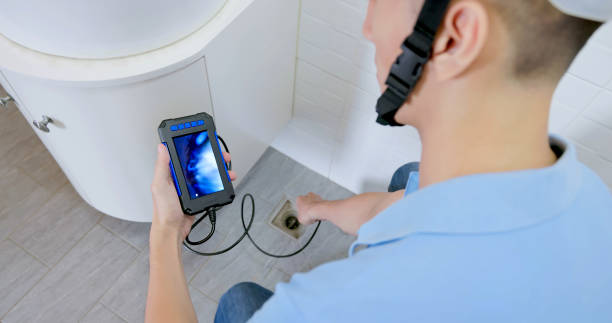

In today’s fast‑paced industrial environment, push camera systems have become indispensable tools for professionals seeking fast, accurate, and cost‑effective inspection solutions. Whether navigating long pipelines, confined spaces, or complex machinery, push cameras provide a clear and immediate visual assessment, saving time and lowering operational risks. As industries evolve, the demand for high‑quality push camera technology continues to rise, reshaping how inspections are conducted across sectors.
Push cameras, also known as borescopes or inspection cameras, are designed to traverse difficult‑to‑reach areas and provide live visual feedback. These systems have transformed traditional inspection methods by eliminating the need for disassembly or destructive testing. Operators can now locate blockages, corrosion, cracks, and other defects with precision, ensuring maintenance teams can act swiftly and effectively.
This blog explores the benefits, applications, and best practices of push camera usage, offering insights for professionals in manufacturing, construction, plumbing, and infrastructure management. We’ll also highlight how choosing the right push camera can enhance operational efficiency and safety, ultimately contributing to smarter decision‑making.
What Is a Push Camera System?
At its core, a push camera system consists of a flexible cable with a high‑resolution camera attached to the tip. This cable is “pushed” into pipes, ducts, or other confined spaces, transmitting video to a monitor or recording device. Modern push cameras often feature LED lighting, adjustable focus, and integrated measurement tools, enabling users to inspect and document findings reliably.
Unlike rigid inspection tools, push cameras adapt to bends and curves, making them particularly effective in plumbing and sewer lines. They are also used for checking internal components of engines, HVAC systems, and industrial equipment without costly disassembly.
Key Benefits of Push Camera Inspections
1. Non‑Destructive Access
One of the most significant advantages of push camera systems is their ability to access areas without damaging the surrounding structure. Traditional inspection methods might require dismantling machinery or cutting through walls. Push cameras eliminate that need, preserving assets while providing vital visual data.
2. Time and Cost Savings
Push cameras reduce downtime by offering quick assessments. Instead of lengthy exploratory work, technicians can visually confirm issues within minutes. This speed leads to faster repairs, lower labor costs, and optimized project timelines.
3. Enhanced Safety
Inspection environments are often hazardous, especially when dealing with confined spaces or buried infrastructure. Push cameras minimize the need for personnel to enter risky areas physically. This reduces exposure to harmful conditions and aligns with safety compliance standards.
4. Accurate Diagnostics
High‑quality push cameras produce detailed images and video feeds that reveal defects invisible to the naked eye. With adjustable lighting and high‑resolution optics, operators can detect minute cracks, corrosion patterns, and material degradations early, preventing costly failures.
5. Documentation and Reporting
Many modern push camera systems come with recording capabilities, making it easy to document inspections for future reference. These records are invaluable for compliance reporting, maintenance scheduling, and stakeholder communication. They also serve as evidence during warranty claims or dispute resolutions.
Applications Across Industries
Push camera technology has broad applications across many sectors. Below are a few examples of how these systems are utilized:
Plumbing and Sewer
In plumbing, push cameras are commonly used to inspect drains, sewer lines, and underground pipelines. They help identify root intrusions, blockages, and pipe integrity issues. Technicians can pinpoint exact defect locations, reducing guesswork and excavation costs.
Industrial Maintenance
Manufacturing plants rely on push cameras to monitor equipment and production lines. Regular inspection helps detect wear and tear on machinery components before they lead to breakdowns. This proactive approach boosts uptime and extends equipment life.
Construction
Construction professionals use push cameras to inspect structural elements such as wall cavities, ductwork, and foundation penetrations. By visualizing hidden areas, they can ensure installations meet specifications and identify potential issues early in the build process.
HVAC Systems
Heating, ventilation, and air conditioning systems have complex internal ductwork that is difficult to inspect manually. Push cameras allow technicians to navigate these spaces, checking for obstructions, leaks, and cleanliness without extensive system teardown.
Automotive and Aerospace
In automotive repair and aerospace maintenance, push cameras are employed to examine engines, fuel systems, and other compact assemblies. Their flexibility and precision make them ideal for detailed internal diagnostics that support safe and efficient operations.
Choosing the Right Push Camera
Selecting the appropriate push camera system depends on your specific inspection needs. Key factors to consider include:
-
Cable length and flexibility: Determine how far the camera needs to travel and whether it will encounter tight bends.
-
Camera resolution: Higher resolution yields clearer images, essential for detailed analysis.
-
Lighting capabilities: LED lights with adjustable intensity help illuminate dark environments.
-
Durability: Push cameras must withstand harsh conditions, including moisture, chemicals, and abrasive surfaces.
-
Recording features: Useful for documentation and ongoing maintenance records.
Investing in a high‑quality push camera not only improves inspection outcomes but also enhances overall operational efficiency. It’s important to evaluate your inspection challenges and select a system that aligns with your performance requirements.
Best Practices for Push Camera Inspections
To get the most from your push camera system, consider the following best practices:
-
Pre‑Inspect Preparation: Clear the inspection path as much as possible before inserting the camera. Remove obstructions that could damage the system or obscure the view.
-
Clean After Use: Regularly clean the camera head and cable to prevent residue buildup that can degrade performance.
-
Calibrate Lighting: Adjust lighting to avoid glare or shadows that hinder image clarity.
-
Document Findings: Always record and catalog inspection footage for future reference and comparison.
Conclusion
Push camera technology has revolutionized inspection processes across industries, offering non‑destructive access, enhanced safety, and precise diagnostics. By integrating advanced push camera systems into regular maintenance routines, businesses can improve asset reliability, reduce downtime, and make smarter decisions based on visual data.
For professionals seeking dependable inspection solutions tailored to their operational needs, investing in quality tools and understanding best practices is essential. With a commitment to innovation and support for advanced inspection techniques, seca stands alongside you in optimizing performance and achieving unparalleled inspection insights.