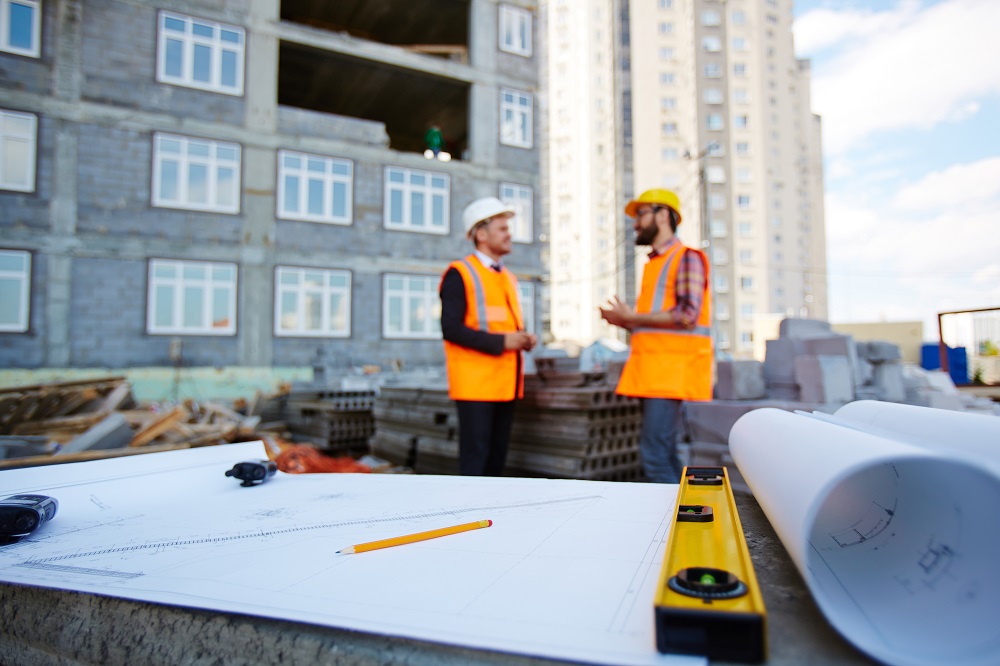

Texas is currently the epicenter of American industrial growth, and at the heart of this expansion are the state’s construction giants. These firms are no longer just building structures; they are engineering the future of global energy, transportation, and infrastructure. From the massive petrochemical refineries along the Gulf Coast to the sprawling utility-scale solar farms in West Texas, Texas construction companies have mastered the art of “big iron” logistics.
In 2026, the Lone Star State continues to outpace the national average in infrastructure spending and industrial development. This guide explores the landscape of these industrial giants, the sectors they dominate, and the technological evolution that keeps them at the forefront of the global construction industry.
1. The Landscape of Texas Construction
To understand the scale of Texas construction companies, one must first understand the “Texas Triangle”—the region between Dallas-Fort Worth, Houston, and San Antonio/Austin. This area is home to some of the fastest-growing metropolitan regions in the United States, requiring a constant influx of new highways, bridges, and commercial hubs.
However, the “Industrial Giants” of Texas often operate far beyond these city centers. They are found in the Permian Basin, where they build the pads and pipelines that power the country, and along the coast, where they construct the massive LNG export terminals that fuel the global economy.
The Move Toward EPC Contracts
The most successful Texas firms have transitioned into EPC (Engineering, Procurement, and Construction) providers. Rather than just acting as a general contractor, these giants handle the entire lifecycle of a project. This “one-stop-shop” model is essential for the complex energy and industrial projects that define the Texas landscape, allowing for tighter control over supply chains and timelines.
2. Key Sectors of Dominance
Texas construction is not a monolith; it is a collection of highly specialized disciplines that require massive capital investment and a workforce of tens of thousands.
Heavy Civil and Infrastructure
Texas has the most extensive highway system in the country. Companies specializing in heavy civil works are responsible for the constant expansion of interstates like I-10 and I-35. This involves more than just paving; it requires the engineering of massive interchanges, sophisticated drainage systems to handle Gulf Coast hurricanes, and the structural integrity of bridges designed to last over a century.
Energy Infrastructure: Oil, Gas, and Beyond
In Midland and Odessa, construction companies are the backbone of the Permian Basin. Their scope includes:
-
Upstream Site Prep: Leveling thousands of acres for multi-well pads.
-
Midstream Pipelines: Trenching through rugged terrain to lay thousands of miles of high-pressure steel.
-
Refinery Turnarounds: Logistically intense maintenance projects where a facility is overhauled in a matter of weeks.
The Renewable Boom
As of 2026, Texas has cemented its status as a leader in renewable energy. Construction firms have pivoted to build “Gigafarms”—massive solar and wind installations that require specialized civil works and high-voltage electrical integration. The sheer land mass of Texas makes it the ideal theater for these large-scale “Green Energy” builds.
3. The 2026 Tech Revolution: How Texas Giants Compete
The image of a foreman with a paper blueprint is a thing of the past. Modern Texas construction companies are high-tech enterprises that utilize data as much as they do concrete.
GPS and Autonomous Earthmoving
On massive site-prep projects, Texas firms utilize GPS-guided dozers and graders. These machines are linked to a 3D digital model of the project. As the operator drives, the blade automatically adjusts to grade the land within a fraction of an inch of the engineer’s specifications. This reduces fuel consumption, slashes project timelines, and ensures perfect drainage from day one.
Digital Twins and Drone Mapping
Before ground is even broken, drones equipped with LiDAR (Light Detection and Ranging) map the Texas terrain. This data creates a “Digital Twin”—a virtual replica of the project that allows engineers to simulate construction phases, identify potential utility “clashes,” and provide stakeholders with real-time progress updates.
4. Logistics and the “Texas-Sized” Supply Chain
One of the greatest challenges for Texas construction companies is the sheer geography of the state. Moving materials from a port in Houston to a job site in El Paso is a logistical feat equivalent to crossing several European countries.
To manage this, industrial giants have invested in:
-
Private Fleet Logistics: Owning their own heavy-haul trucks and specialized trailers to bypass third-party delays.
-
Modular Assembly: Building large sections of a plant or refinery in a controlled warehouse environment and then shipping the “modules” to the site for final assembly. This “Lego-style” construction is safer and more efficient than traditional on-site builds.
5. Safety and Workforce Development
In the high-risk environments of refineries and heavy civil sites, safety is the primary metric of success. Texas giants are known for their “Total Safety Culture,” where every worker has “Stop Work Authority” if they perceive a hazard.
Training the Next Generation
With the massive volume of work available in 2026, the “Labor Gap” is a significant hurdle. Top Texas firms have responded by building their own training academies. These centers use VR (Virtual Reality) simulators to train crane operators and welders in a safe environment before they ever step onto a high-stakes job site.
6. The Future: Sustainability and Resilience
As Texas faces more extreme weather patterns, from heatwaves to floods, the construction industry is focused on resilience.
-
Hardened Infrastructure: Designing bridges and power hubs to withstand “500-year” weather events.
-
Recycled Aggregates: Utilizing crushed concrete and recycled materials in road bases to reduce the environmental impact of new builds.
-
Carbon Capture Infrastructure: Texas firms are currently leading the world in building the “scrubbers” and injection wells needed for large-scale carbon sequestration.
Conclusion
Texas construction companies are more than just builders; they are the architects of the state’s economic resilience. Through a combination of rugged field experience, massive equipment fleets, and cutting-edge digital technology, these industrial giants ensure that the Lone Star State remains at the cutting edge of global infrastructure.
Whether they are paving the roads of the Texas Triangle or building the energy hubs of the Permian Basin, these firms provide the foundation upon which the future is built. Their ability to scale, innovate, and execute in some of the most demanding environments on earth is what truly makes them giants of the industry.