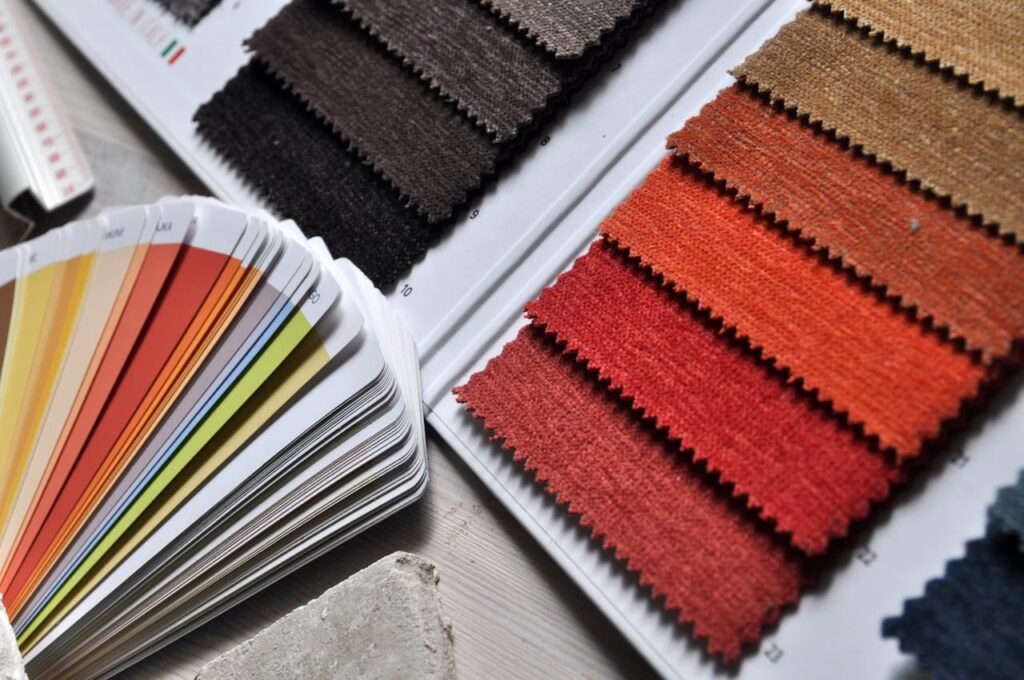

The fashion industry is going through an important transformation. As environmental awareness grows, designers are rethinking how clothes are made and what materials are used. For fashion design students, understanding sustainable fashion materials is becoming just as important as learning garment construction or pattern making. Materials influence not only the look and feel of a garment but also its environmental impact.
Sustainable fashion is about creating clothing responsibly from sourcing fibers to production and disposal. By choosing eco friendly fashion materials, designers can reduce waste, conserve resources, and support a more ethical fashion industry.
Why Sustainable Materials Matter in Fashion
Fashion has traditionally relied on large-scale production and synthetic materials that often harm the environment. Water consumption, chemical dyes, and textile waste contribute to environmental damage. This is why many designers are turning toward sustainable fabrics in fashion that reduce ecological impact.
Using environmentally friendly textiles helps conserve water, reduce pollution, and minimize carbon footprints. Sustainable materials also support the philosophy of slow fashion, where garments are designed to last longer rather than follow short-lived trends.
For fashion students, learning about these materials early helps build a strong foundation for responsible design practices.
Organic Cotton: A Cleaner Alternative
One of the most widely used sustainable textile materials is organic cotton. Unlike conventional cotton, organic cotton is grown without harmful pesticides and chemical fertilizers. This reduces soil damage and protects farmers and ecosystems.
Organic cotton fabric is soft, breathable, and versatile, making it ideal for everyday garments. Because of its comfort and sustainability, it is commonly used in shirts, dresses, and casual wear.
For fashion designers, organic cotton offers the familiarity of traditional cotton while supporting more responsible production methods.
Hemp: Durable and Eco-Friendly
Another powerful material in sustainable fashion is hemp. Hemp fabric in fashion is known for its durability, breathability, and minimal environmental impact. Hemp plants require very little water and grow quickly without pesticides.
Clothing made from hemp becomes softer with each wash while remaining strong. Designers appreciate hemp for its natural texture and rustic aesthetic, which works well in both casual and contemporary fashion collections.
Bamboo Fabric: Soft and Sustainable
Bamboo fabric clothing has gained popularity in recent years due to its softness and natural antibacterial properties. Bamboo grows rapidly and requires fewer resources compared to many traditional crops.
When processed responsibly, bamboo fabrics can create smooth, breathable textiles suitable for activewear, loungewear, and everyday clothing. Designers often use bamboo blends to achieve both comfort and sustainability.
Linen: A Timeless Natural Fabric
Linen is another excellent example of eco-friendly clothing materials. Made from the flax plant, linen requires less water and fewer chemicals during cultivation. This makes linen sustainable fabric a responsible choice for fashion designers.
Linen garments are lightweight, breathable, and durable, making them ideal for warm climates. Over time, linen develops a natural texture that adds character to clothing, which is why it continues to be valued in sustainable fashion design.
Tencel and Modern Sustainable Fibers
Innovation is also shaping the future of sustainable textiles. One notable example is Tencel fabric sustainable, made from wood pulp sourced from responsibly managed forests. Tencel fibers are produced using environmentally conscious processes that recycle water and solvents.
The resulting fabric is smooth, breathable, and biodegradable. Designers often use Tencel in dresses, shirts, and luxury sustainable collections because of its soft drape and elegant appearance.
Recycled Materials in Fashion
Recycling is another key strategy in sustainable design. Recycled polyester fabric is created from plastic waste such as PET bottles. Instead of ending up in landfills or oceans, plastic materials are transformed into wearable textiles.
Recycled fabrics help reduce waste and lower energy consumption compared to producing new synthetic fibers. Many sportswear brands and eco-conscious designers are incorporating recycled textiles into their collections.
Understanding Ethical Fashion Materials
Beyond environmental benefits, sustainable fashion also focuses on ethical responsibility. Ethical fashion materials consider how fibers are produced, how workers are treated, and how communities are supported.
Designers who prioritize ethical materials contribute to fair labor practices and responsible sourcing. This approach aligns fashion design with broader sustainability goals.
The Role of Sustainability in Fashion Education
For fashion design students, learning about sustainable materials is more than a trend, it is a necessary part of modern design education. Designers must understand the lifecycle of fabrics, from production to disposal, and explore alternatives that reduce environmental impact.
Fashion schools are increasingly integrating sustainable fashion education into their curriculum, encouraging students to experiment with eco-friendly fabrics and rethink traditional production methods.
By studying sustainable materials, students develop a deeper understanding of responsible creativity and the future direction of the fashion industry.
Conclusion
Sustainable fashion materials are shaping the future of the industry. From organic cotton and hemp to bamboo, linen, and innovative fibers like Tencel, these materials offer designers opportunities to create clothing that is both stylish and environmentally responsible. For aspiring designers, learning about sustainable fashion materials helps build awareness, creativity, and ethical responsibility in design practice. Institutions such as Cindrebay School of Design support this evolving perspective by encouraging students to explore sustainability alongside technical skills and creative thinking, preparing them to contribute thoughtfully to the future of fashion.