
Street Food in Kerala: What to Eat and Where to Find It
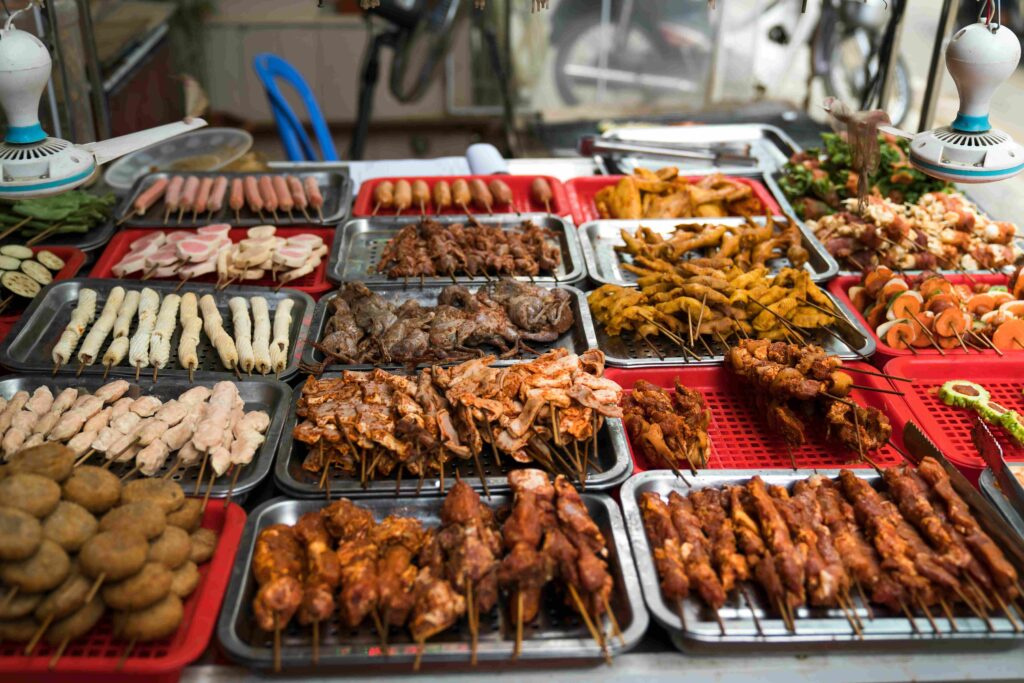
Street food in Kerala does not try to impress. It simply exists as part of everyday life, quietly woven into daily routines. You notice it early in the morning near bus stands where vendors serve quick breakfast snacks to commuters. Later in the day, similar stalls appear near school gates, selling small bites to students heading home. By evening, the scene becomes more lively as beach roads, market corners, and junctions fill with food carts and small stalls.
The food itself reflects the land and its ingredients. Rice, coconut, banana, seafood, and aromatic spices form the base of most dishes. Nothing feels artificial or overly designed. Vendors usually specialize in one or two items and prepare them every day, gradually perfecting their recipes through repetition. This simplicity is part of what makes the experience authentic. When travelers explore the region through various Kerala tour packages, many discover that local street food reveals more about Kerala’s culture and taste than a planned restaurant meal ever could.
Popular Street Foods Across the State
Certain street foods are found throughout Kerala, although each place adds its own small twist. The same dish might taste slightly different depending on the town or even the vendor. Some stalls fry items slower, others use stronger spices, and a few prefer lighter seasoning. Most food is cooked fresh on the spot and eaten standing nearby, often served on paper sheets or banana leaves.
Some commonly found street foods include:
-
Pazham Pori Made using ripe nendran bananas dipped in batter and fried until golden with crisp edges and a soft sweet center.
-
Kappa Vevichathu – Boiled tapioca served with a spicy coconut chutney known as chammanthi.
-
Egg Puffs and Vegetable Puffs Flaky pastry snacks filled with eggs or vegetables, adjusted to local spice preferences.
-
Kozhikode Chicken Fry A spicy fried chicken dish often sold in the evening, known for its bold Malabar flavors.
These snacks are usually available near ferry points, tea stalls, bus stations or busy street corners. If you see locals waiting patiently at a stall, it is often a good sign that the food is worth trying.
Coastal Influences on Street Food
Kerala’s long coastline plays a major role in shaping its street food culture. In coastal towns such as Alappuzha and Kollam, seafood stalls become active once fishing boats return with the day’s catch.
Fresh sardines, anchovies and small prawns are cleaned quickly, marinated with spices and fried in coconut oil. The sizzling sound from the pan often draws people from a distance. Unlike regular restaurants, these stalls rarely follow fixed schedules. They open when fresh fish arrives and close once everything is sold.
Travelers who visit these coastal towns through Kerala vacation packages often discover these stalls by smell before actually seeing them. The aroma of freshly fried seafood drifting through the evening air is usually impossible to miss.
Malabar Region Specialties
Street food in northern Kerala carries a slightly different character, especially in the Malabar region. Historically influenced by trade connections with the Middle East and other coastal cultures, Malabar cuisine often feels richer and more layered in flavor.
Some snacks commonly found in this region include Kallummakkaya Nirachathu (stuffed mussels), pathiri based snacks and sweets prepared with jaggery and coconut. Compared to central or southern Kerala, the dishes here tend to be heavier and more spice forward.
Travelers moving across the state through trip packages of Kerala often notice this contrast quickly. The shift in flavors between regions highlights how diverse Kerala’s street food culture can be.
Tea Shops and Evening Snacks
Street food and tea shops are deeply connected in Kerala. Small roadside tea stalls act as daily meeting points where people pause during busy routines. Office workers, drivers, students and local residents stop for tea, quick snacks, and brief conversations.
The snacks available at these tea shops change depending on the time of day. In the afternoon, sweet snacks like Sukhiyan a fried sweet made with green gram and jaggery are common. By evening, savory items such as Uzhunnu Vada become more popular.
Travelers on Kerala trip packages often come across these tea shops near railway stations, bus junctions, and market streets. They are easy to access, informal, and rarely part of a planned food itinerary.
Hygiene and Practical Observations
Most street food in Kerala is freshly prepared, but cleanliness standards can vary from stall to stall. Vendors near offices, schools, or busy local areas tend to maintain better consistency because they rely on repeat customers.
A simple way to judge a stall is by observing foot traffic. If locals keep returning and the food is being cooked continuously, it usually indicates that the place is reliable. Freshly fried snacks and high turnover often mean better quality and taste.
Pro Tip: Street food in Kerala is usually at its best after 4 PM. Many vendors begin preparing fresh batches during the evening when markets and public spaces become more active.
Conclusion
At its core, Kerala’s street food culture is about everyday routine rather than performance. These small stalls exist to feed people moving through their daily schedules. That simplicity is exactly what makes the experience feel genuine and memorable.
For travelers, tasting these everyday snacks often reveals more about Kerala’s lifestyle and flavors than any planned itinerary. Whether it is a banana fritter from a roadside stall or freshly fried seafood near the coast, street food offers a direct and honest connection to the region’s culture.