
When heavy rain hits, there’s nothing worse than seeing water pooling around your property. Often, the culprit isn’t just the weather, it’s blocked stormwater drains. These drains are designed to channel rainwater safely away from homes, streets, and gardens. But when they’re clogged, even a small shower can quickly become a major headache.
So, what exactly causes these blockages, and how can homeowners prevent flooding before it starts? Let’s break it down.
What Are Stormwater Drains and Why Do They Matter?
Stormwater drains are part of your local drainage system. Their main job is to carry rainwater from roofs, driveways, streets, and gardens into larger pipes or natural water channels. Without them, water would collect around properties, causing:
- Flooding in yards or streets
- Damage to garden beds and lawns
- Soil erosion near foundations
- Unpleasant odours and potential health hazards from stagnant water
Stormwater drains may seem like a small part of your property, but keeping them clear is crucial. They don’t just protect your home, they protect the neighbourhood from water-related issues too.
What Usually Blocks Stormwater Drains?
A blocked stormwater drain can happen for several reasons. Common culprits include:
- Leaves and garden debris: After windy or rainy weather, leaves, twigs, and grass clippings often collect in drains.
- Soil and sediment: Heavy rain can wash loose soil and sand into your drains, gradually filling them up.
- Litter and rubbish: Even small items like plastic wrappers or bottles can obstruct water flow.
- Tree roots: In some cases, roots can grow into the drain pipes, causing partial or complete blockage.
- Grease and oils: While less common in outdoor drains, run-off from driveways can sometimes carry oils or fats that stick to pipes.
Knowing the causes helps you prevent clogs before they become emergencies.
How Can You Tell if a Stormwater Drain is Blocked?
Blocked drains aren’t always obvious until flooding occurs. Some warning signs to watch for include:
- Water pooling around drain inlets even during light rain.
- Slow drainage in nearby gutters or downpipes.
- Unpleasant odours coming from drains.
- Overflowing drains on streets or in your garden after storms.
- Sinkholes or soil depressions forming near drains.
Even small signs should not be ignored. Early detection can save time, stress, and money.
Can I Clear Blocked Stormwater Drains Myself?
Some minor clogs, like leaves or small debris, can sometimes be handled by homeowners. Here’s how:
- Wear protective gloves to remove debris from the drain grate.
- Flush with a garden hose to see if water flows freely.
- Use a drain rod for shallow clogs in accessible pipes.
Pro tip: Never pour chemicals down outdoor drains. They can harm the environment and damage pipes.
However, if the blockage is deep, caused by tree roots, or involves heavy sediment, DIY methods may not be enough. Using the wrong tools or too much force can damage your drains, creating more costly problems.
When Should You Call a Professional?
It’s wise to call a professional if:
- Water still doesn’t drain after basic cleaning.
- There’s standing water around your property or streets.
- Tree roots or significant debris are suspected in the pipes.
- You notice foul smells or sudden sinkholes near the drain.
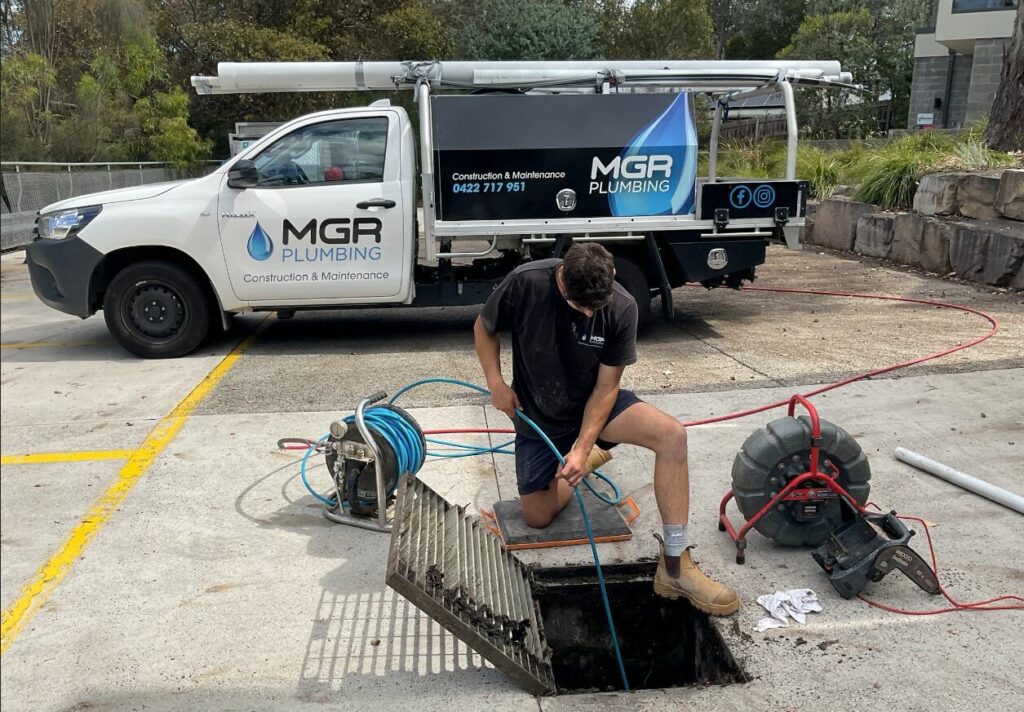
Professionals have specialised equipment like high-pressure water jets and CCTV cameras to safely clear blocked stormwater drains, inspect pipe conditions, and prevent future issues. They can also advise on maintenance schedules tailored to your property’s needs.
How Often Should Stormwater Drains Be Checked?
Even if your drains seem fine, regular checks are important. Most experts recommend:
- Every 6 months: Quick inspection of visible drains and gutters.
- Before and after heavy storms: Check for new debris or damage.
- Every 12–18 months: Professional inspection and cleaning to prevent hidden blockages.
Keeping a simple checklist of drain maintenance can prevent surprises when heavy rain hits.
How Can You Prevent Blockages in the First Place?
Prevention is always better than repair. Here are some simple steps homeowners can take:
- Clean gutters and downpipes regularly to stop debris from entering drains.
- Use leaf guards or drain covers on stormwater inlets.
- Keep gardens tidy by composting leaves instead of letting them wash into drains.
- Address soil erosion around your property to reduce sediment entering drains.
- Trim tree roots near pipes carefully and professionally.
- Schedule professional inspections before the wet season.
Even small, regular actions can significantly reduce the risk of flooding and costly repairs.
Conclusion
Stormwater drains play a vital role in keeping homes and streets safe during Australia’s unpredictable weather. While some minor debris can be handled by homeowners, professional help is often the safest and most effective solution.
If you’re dealing with blocked drains or want to ensure your property is ready for the next downpour, MGR Plumbing offers expert, friendly, and reliable services to keep your drains flowing freely. Don’t wait for the next heavy rain, take action now and stop flooding before it starts.