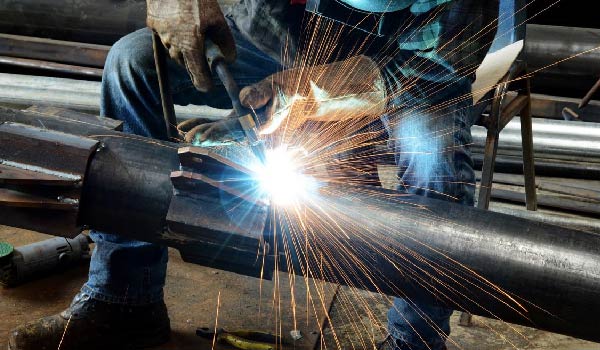

When it comes to metal fabrication, few materials are as widely used or debated as steel and aluminium. Both metals are essential to modern engineering and construction, but they differ significantly in strength, weight, cost, and performance.
Choosing between steel and aluminium isn’t as simple as picking one over the other — it depends on the application, environment, and design priorities. Understanding how each performs helps engineers, manufacturers, and fabricators make informed decisions for the best results.
This guide explores the key differences between steel and aluminium fabrication, comparing their properties, uses, and long-term performance.
1. Strength and Durability
Steel:
Steel is renowned for its strength. It can withstand heavy loads, impact, and tension without deforming. Its high tensile strength makes it the preferred choice for structural applications like bridges, building frames, and industrial equipment.
-
Advantages:
-
Extremely strong and rigid
-
Performs well under high pressure or stress
-
Maintains shape under heavy loads
-
Aluminium:
Aluminium is strong for its weight, but it can’t match steel in raw tensile strength. However, aluminium alloys can be heat-treated to improve hardness and structural integrity.
-
Advantages:
-
Good strength-to-weight ratio
-
Sufficient for moderate load-bearing applications
-
Doesn’t become brittle in cold temperatures
-
Verdict:
Steel wins in terms of absolute strength, but aluminium performs well when lightweight strength is the priority — such as in aerospace or vehicle manufacturing.
2. Weight and Density
One of the biggest distinctions between these two metals lies in weight.
-
Steel has a density of around 7.8 g/cm³, making it nearly three times heavier than aluminium, which has a density of 2.7 g/cm³.
-
In applications where weight reduction is essential — for example, in aircraft or electric vehicles — aluminium becomes the better choice.
The reduced weight of aluminium not only improves fuel efficiency but also makes handling, transport, and installation easier. However, in heavy construction or industrial use where stability is critical, the weight of steel actually adds to its advantage.
Verdict:
If weight reduction is vital, aluminium wins. For stability and structural rigidity, steel is superior.
3. Corrosion Resistance
Steel:
Bare steel rusts when exposed to moisture and oxygen. To prevent corrosion, it must be treated with coatings such as galvanisation, painting, or powder coating. Stainless steel, which contains chromium, naturally resists rust but comes at a higher cost.
Aluminium:
Aluminium forms a thin oxide layer when exposed to air, which protects it from further corrosion. This makes it highly suitable for outdoor and marine environments.
Verdict:
Aluminium offers better natural corrosion resistance, whereas steel requires protective finishes to achieve similar durability.
4. Machinability and Fabrication Ease
Fabrication involves cutting, bending, and welding metal to create usable products. Each metal behaves differently during these processes.
Steel:
Steel is harder and denser, which makes it more challenging to machine or cut. However, with the right tools — such as CNC plasma or laser cutters — it can be fabricated with high precision.
-
Advantages: Excellent for welding and shaping once heated.
-
Challenges: Requires more force and energy to form; dulls cutting tools faster.
Aluminium:
Aluminium is easier to cut, bend, and machine due to its softness. It’s also compatible with most CNC and forming techniques. The downside is that its malleability can cause issues like deformation during bending if not properly controlled.
Verdict:
Aluminium is easier to work with for detailed or custom projects, while steel is ideal for heavy-duty fabrication that prioritises strength over convenience.
5. Cost and Availability
Cost is often a deciding factor in metal selection.
Steel:
Steel is abundant, easy to produce, and cheaper per kilogram than aluminium. It’s cost-effective for large projects and structural fabrication, making it the preferred choice in construction and industrial manufacturing.
Aluminium:
Although aluminium is the most common metal on Earth, refining it from bauxite ore is energy-intensive, making it more expensive. However, its long-term value comes from being lightweight, corrosion-resistant, and easy to recycle.
Verdict:
Steel is more economical for bulk fabrication, while aluminium justifies its higher cost in projects where weight reduction and longevity are important.
6. Recyclability and Environmental Impact
Both steel and aluminium are recyclable, but aluminium holds a slight advantage in energy efficiency during reprocessing.
-
Steel: Retains its properties even after multiple recycling cycles. Recycling steel uses about 75% less energy than producing new steel.
-
Aluminium: Recycling aluminium saves up to 95% of the energy required for virgin production.
Sustainability-minded industries increasingly use both metals in circular manufacturing systems.
Verdict:
Both are eco-friendly, but aluminium offers greater energy savings in recycling.
7. Applications and Use Cases
Steel Fabrication Applications
-
Skyscrapers, bridges, and infrastructure
-
Heavy machinery and industrial equipment
-
Vehicle chassis and safety components
-
Agricultural and mining machinery
-
Storage systems and racking
Aluminium Fabrication Applications
-
Aerospace components and aircraft structures
-
Vehicle panels and engine housings
-
Electrical enclosures and consumer electronics
-
Window frames, roofing, and architectural features
-
Marine and offshore structures
Each metal dominates different industries based on its properties — strength and load capacity for steel, lightness and corrosion resistance for aluminium.
8. Thermal and Electrical Conductivity
Steel:
Steel conducts electricity and heat moderately but can lose strength when exposed to high temperatures. This limits its use in certain heat-intensive environments unless specially alloyed.
Aluminium:
Aluminium is an excellent conductor of both heat and electricity, which is why it’s used in power transmission lines, heat exchangers, and radiators.
Verdict:
Aluminium outperforms steel in conductivity, making it ideal for electrical and thermal applications.
9. Aesthetic and Finishing Options
Both metals can be finished in multiple ways — polished, painted, anodised, or powder-coated — depending on design preferences.
-
Steel: Offers a rugged, industrial appearance and can be polished or brushed for a refined look.
-
Aluminium: Naturally bright and reflective, it anodises beautifully for decorative or protective finishes.
Verdict:
Aluminium offers more flexibility for aesthetic projects, while steel maintains a classic, strong visual appeal.
10. Performance Comparison Summary
| Property | Steel | Aluminium |
|---|---|---|
| Strength | Very high | Moderate to high |
| Weight | Heavy | Lightweight |
| Corrosion Resistance | Requires coating | Naturally resistant |
| Cost | Lower | Higher |
| Machinability | Moderate | Excellent |
| Conductivity | Average | High |
| Recyclability | Excellent | Excellent (energy-efficient) |
Final Verdict: Choosing the Right Metal
There’s no universal winner between steel and aluminium. The best material depends entirely on your project’s requirements.
-
Choose steel for maximum strength, load-bearing capacity, and cost efficiency in industrial and construction applications.
-
Choose aluminium for lightweight designs, corrosion resistance, and aesthetic versatility — especially in transport, electronics, or architectural projects.
Ultimately, the right choice involves balancing mechanical properties, environmental conditions, and fabrication goals. Engineers and manufacturers often use both metals strategically, taking advantage of their unique strengths where they perform best.
For projects that demand expert advice, partnering with a UK precision engineering company ensures accurate material selection, high-quality fabrication, and long-lasting performance. With the right expertise, your design can achieve both strength and efficiency — no matter which metal you choose.