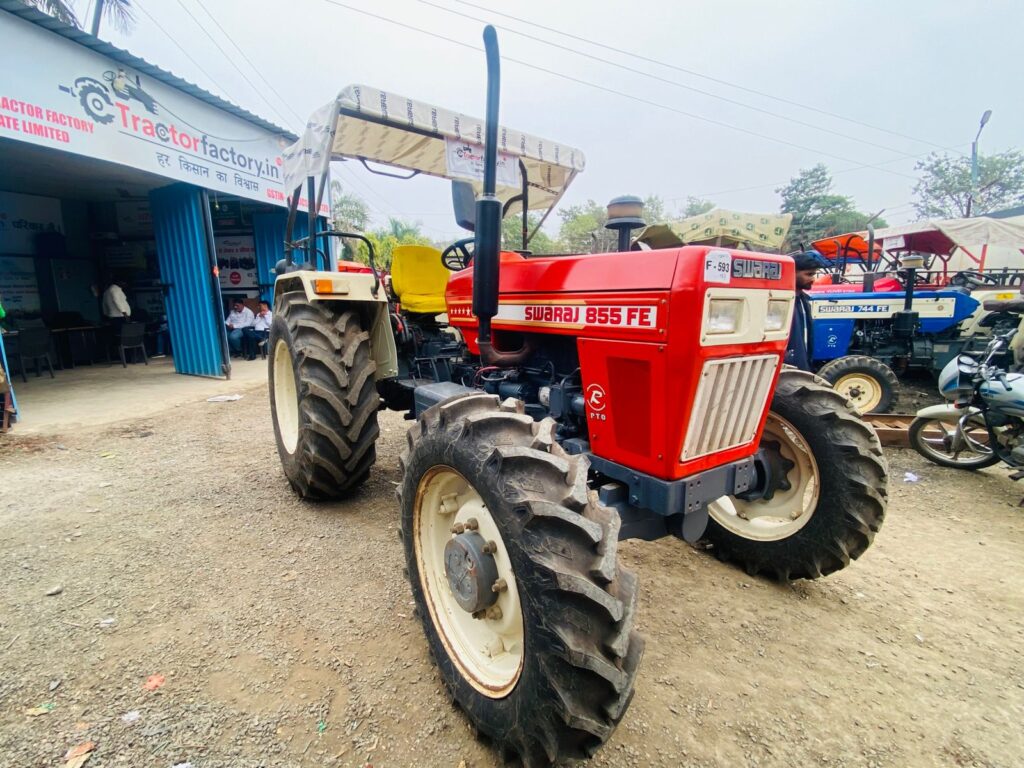

Tractor are not showroom machines. They earn respect slowly, through dust, heat, cold mornings, and jobs that don’t wait. Anyone who has spent real time with one knows this. You don’t judge a tractor by paint or brochure promises. You judge it by how it pulls when the soil turns heavy, how it starts when the battery is tired, and how it feels after ten hours without a break.
This isn’t polished theory. It’s ground truth.
A Tractor Is Not Just Power, It’s Balance
Horsepower numbers look impressive on paper, but raw power alone means little in the field. What matters is balance. Weight distribution. Grip. How the tractor sits when the implement digs in and refuses to move.
I’ve seen lower-horsepower tractors outperform bigger ones simply because they stayed planted. Good rear weight, proper tyre width, and a steady engine response make all the difference. A tractor that spins its wheels is wasting fuel and time. A balanced tractor just moves forward, no drama.
That calm pull is what experienced operators notice first.
Engines That Forgive Mistakes Last Longer
Field conditions are never ideal. Fuel quality changes. Maintenance schedules slip. Operators change. A tractor engine that survives this reality is worth more than one that needs perfect care.
Older mechanical engines had this forgiving nature. You could hear them work. Feel them adjust. Modern engines are more efficient, yes, but the best ones still allow a margin for human error. Smooth torque delivery at low RPM, minimal vibration, and consistent temperature control are signs of a healthy design.
If an engine feels strained all the time, it won’t age gracefully.
Transmission Feel Matters More Than Speed Options
Many buyers obsess over how many gears a tractor has. In real use, that’s secondary. What matters is how those gears feel when shifting under load. Does the tractor jerk? Does it hesitate? Or does it slip into the next gear like it understands the job?
A well-matched gearbox makes long days easier. You don’t fight the machine. You work with it. Whether it’s a simple sliding mesh or a more modern constant mesh setup, smooth engagement reduces fatigue and wear.
After hours in the seat, that difference becomes obvious.
Hydraulics Decide How Versatile a Tractor Really Is
A tractor without reliable hydraulics is half a machine. Lifting, lowering, holding position — these aren’t optional features. They decide whether the tractor can handle different implements without constant adjustment.
Good hydraulics respond instantly. No lag. No sinking under load. The best systems hold steady even when the engine speed drops. That’s when you know the pump and valves are doing their job.
For farmers who switch tools often, this reliability saves time and frustration.
Comfort Isn’t Luxury When the Day Is Long
People often dismiss comfort as unnecessary. That idea disappears after a full season. Seat position, steering response, pedal spacing — these small things add up.
A tractor that strains your back or knees will slow you down eventually. Good visibility reduces mistakes. Light steering saves energy. Clear instrument layout prevents guesswork.
Comfort doesn’t make the tractor softer. It makes the operator sharper.
Fuel Efficiency Shows Up Over the Years, Not the Day
Fuel consumption isn’t obvious immediately. It reveals itself slowly, over months and seasons. A tractor that burns a little extra every hour becomes expensive before you realize it.
Efficient tractors don’t chase speed. They maintain steady output with minimal throttle changes. They don’t surge or stall. They just keep working.
When fuel prices rise, these machines suddenly look like smart decisions.
Durability Is Hidden in Small Parts
Big components get attention, but small parts decide longevity. Wiring quality. Hose routing. Bolt strength. Seal placement.
I’ve seen tractors sidelined by cheap connectors or poorly protected lines. On the other hand, machines with simple, sturdy layouts keep running with basic tools and common sense repairs.
Durability isn’t about being indestructible. It’s about being sensible.
Maintenance Access Separates Good Design from Bad
No one enjoys maintenance, but every tractor needs it. Filters must be reached. Fluids must be checked. Belts and hoses will need attention.
A well-designed tractor respects the mechanic. Panels open easily. Grease points are reachable. There’s space to work without removing half the machine.
When maintenance is easy, it actually gets done. That alone extends life.
Tractors Age, But Some Age With Dignity
Every tractor shows its age eventually. Paint fades. Seats crack. Sounds change. The question is how gracefully it ages.
Good tractors develop character, not problems. They might start a little slower, sound a little rougher, but they still deliver. Poorly built ones fall apart in frustrating ways.
That difference becomes clear after five, ten, fifteen years of work.
Size Should Match the Job, Not the Ego
Bigger isn’t always better. Oversized tractors waste fuel and struggle in tight spaces. Undersized ones get overworked and fail early.
The right tractor feels just strong enough. It doesn’t scream under load. It doesn’t feel bored either. It matches the land, the tools, and the operator’s rhythm.
Choosing size wisely saves money and stress.
Tyres Are the Tractor’s Conversation With the Ground
Tyres don’t get enough respect. They decide traction, soil compaction, and comfort. Wrong tyre choice can ruin performance.
Wider tyres spread weight. Deeper treads grip better in wet soil. Proper inflation changes everything. A tractor with good tyres feels confident. One with poor tyres feels nervous.
Before blaming the engine, always look at the tyres.
Sound Tells Stories If You Listen
Experienced operators listen to their tractors. A new rattle. A changed exhaust note. A hesitation during throttle increase.
Sound is early warning. Good tractors speak clearly. They don’t hide problems until it’s too late.
Tractors Are Built for Routine, Not Rush
A tractor thrives on steady work. Consistent loads. Predictable cycles. Rushed operation shortens life.
The best machines reward patience. Warm them properly. Let them cool down. Don’t force shifts. Don’t overload hydraulics.
Treat the tractor like a partner, not a tool, and it responds in kind.
Brand Matters Less Than Support
Brand loyalty runs deep, but real value lies in support. Parts availability. Skilled mechanics. Honest advice.
A great tractor without parts access becomes a liability. An average tractor with strong support stays productive.
Local service matters more than marketing claims.
Used Tractors Tell the Truth Quickly
A used tractor doesn’t hide its past. Wear marks show habits. Engine sound reveals care. Hydraulic response exposes neglect.
Inspect slowly. Drive it. Load it. Listen. Smell. Feel.
Good tractors reveal themselves within minutes.
Electronics Can Help or Hurt
Modern tractors rely on electronics more than ever. When done right, they improve efficiency. When done poorly, they create confusion.
Simple systems age better. Complex systems demand skilled service. There’s no right or wrong choice, only awareness.
Resale Value Reflects Real-World Reputation
Tractors with strong resale value earned it through performance, not hype. Farmers talk. Mechanics talk. Word spreads.
A tractor that works well keeps its value. One that causes trouble doesn’t.
Resale value is delayed feedback from the field.
A Tractor’s Real Job Is Reliability
At the end of the day, tractors exist to remove uncertainty. When weather windows are tight, reliability matters more than innovation.
A tractor that starts, pulls, lifts, and returns home without surprises becomes trusted. Trust is earned slowly and lost quickly.
That’s the standard every tractor faces.
Choosing a Tractor Is a Long-Term Decision
This isn’t a seasonal purchase. It’s a commitment measured in years and acres. Think beyond specifications. Think about daily use.
Picture the worst day. Mud. Heat. Fatigue. That’s when the tractor shows its true value.
Choose the one that feels right, not the one that sounds impressive.
Final Thoughts From the Field
Tractor aren’t perfect machines. They leak. They age. They test patience. But the right one becomes familiar, almost personal.
You know its strengths. You respect its limits. Together, work gets done.
And when a tractor earns that level of trust, no brochure can explain why.